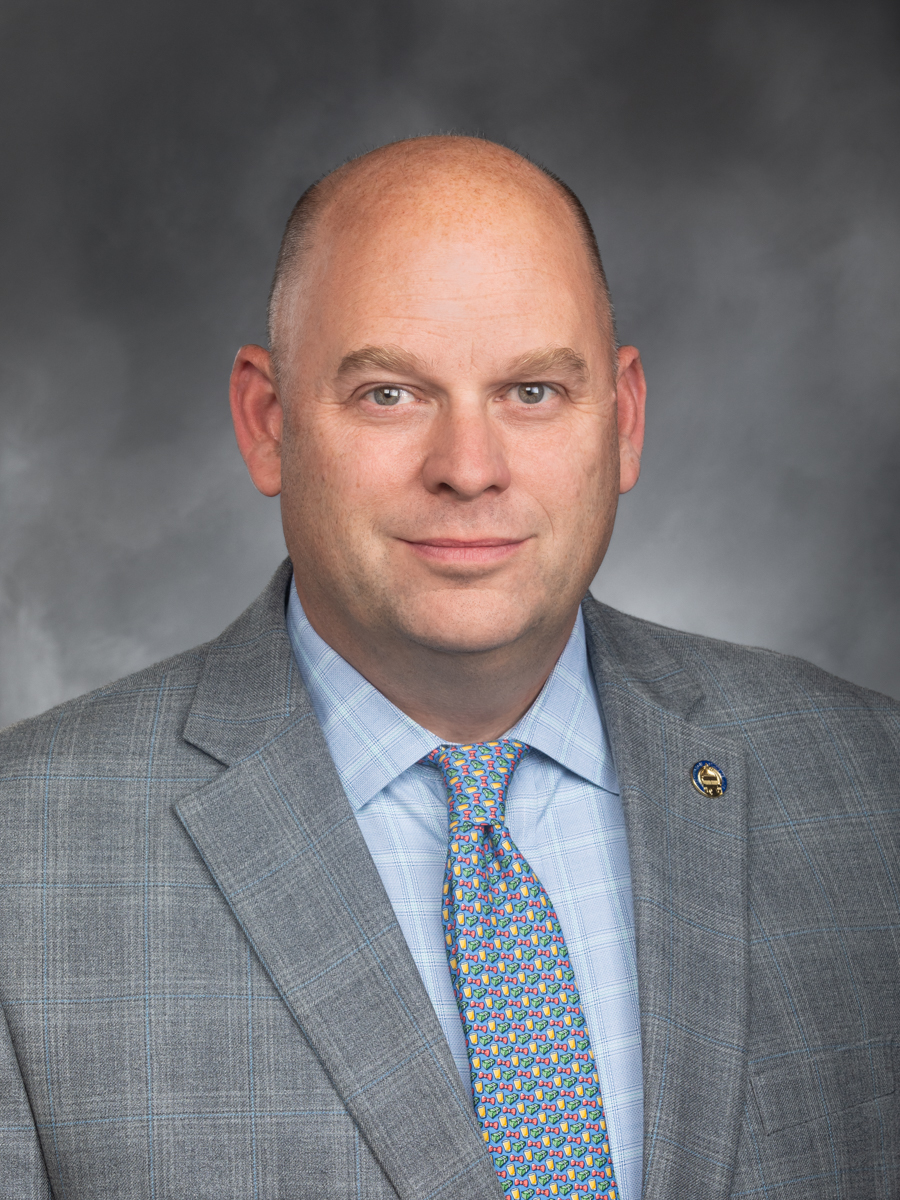
Key legislators
Who's moving energy in Washington
Showing 11–13 of 13
bills
All energy bills
House Bill 1409 modifies Washington's clean fuels program, directing the Department of Ecology to establish rules that reduce the carbon intensity of transportation fuels. It assigns compliance obligations to fuel providers whose products exceed carbon intensity standards and awards credits to those whose fuels are below standards, allowing these credits to be traded. The bill sets a target to reduce greenhouse gas emissions from transportation fuels to 55 percent below 2017 levels by no earlier than January 1, 2038, following a specified annual reduction schedule. It also outlines penalties for non-compliance with reporting and credit requirements, while exempting exported fuels.
HB 1912 establishes a system for tracking and reporting sales of fuel used for agricultural purposes, which are exempt from the state's Climate Commitment Act. Fuel sellers, including retail stations and suppliers, can register with the Department of Ecology to track and report these exempt sales. Registered sellers must make exempt fuel available at a differential rate or credit purchasers to reflect the absence of associated compliance costs under the climate act. This ensures the agricultural exemption is properly applied and monitored, affecting fuel sellers, suppliers, and agricultural users starting January 1, 2026.
Senate Bill 5528 requires electricians installing electric vehicle charging equipment on public works projects in Washington State to be certified by the Electric Vehicle Infrastructure Training Program (EVITP) or a similar nationally recognized program. This ensures consistent safety and effectiveness standards for the electrical components of these installations and maintenance. The requirement applies only if the certification program is open to all general journeyman level electricians. Apprentices are exempt when supervised by a certified journeyman, and installations contracted before January 1, 2026, are also excluded.