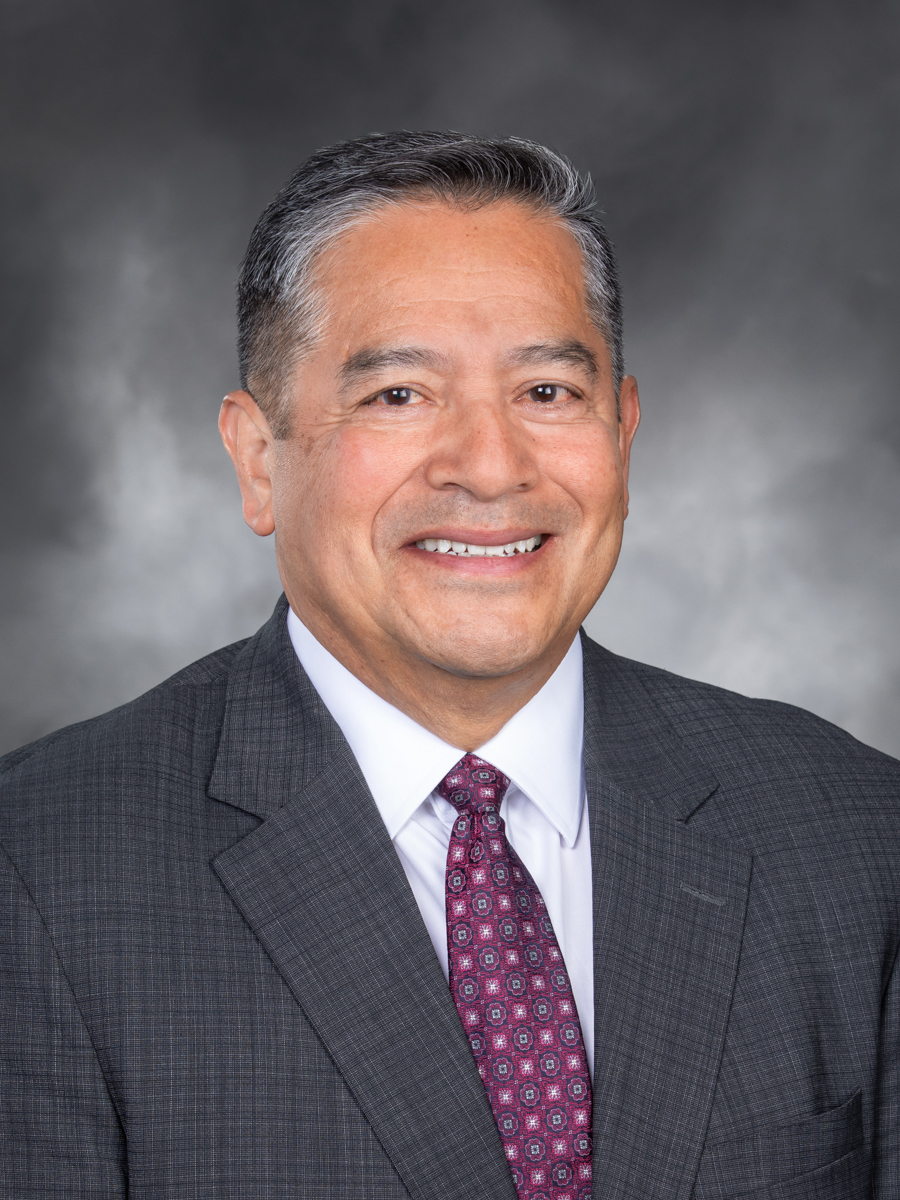
HB 1356 adjusts Washington state's K-12 school funding by updating local enrichment levy limits and creating a state matching program. It sets new per-pupil funding caps ($2,500 for districts under 40,000 students, $3,000 for larger districts) through 2030, adjusted annually for inflation plus a temporary 3.33% annual increase (2027-2030), then raises the cap to $5,035 starting in 2031. The bill requires school districts to get approval for how they spend local levy funds before voting on them and links state funding to local effort - matching districts that raise less than $1.50 per $1,000 in property value. This directly affects all public school districts and state-tribal education compact schools by changing how local taxes and state funds combine to support school programs.
SB 5003 creates a competitive grant program under Washington's Superintendent of Public Instruction to improve physical security at K-12 public schools. Public school districts can apply for grants covering eligible projects like entrance security systems, fencing, perimeter barriers, and infrastructure redesigns to streamline access. Grants are capped at $2 million per district over two years, with no more than 3% of funds allowed for administrative costs. The program requires annual progress reports to the legislature detailing applications, funding requests, and approved projects starting December 2025.
Senate Bill 5189 supports the implementation of competency-based education in Washington state public schools, affecting students, school districts, and state education agencies. It requires the Office of the Superintendent of Public Instruction to adopt rules by September 1, 2025, to authorize full-time enrollment funding for approved competency-based programs. The bill directs the State Board of Education to develop a process for identifying schools implementing competency-based education and for creating competencies aligned with state learning standards. Additionally, it mandates the development of a competency-based high school transcript format and ensures equitable access to interscholastic activities for students in these programs.
SB 5190 allows Washington K-12 school districts to formally request extensions to meet state energy performance standards for school buildings. The bill amends existing law to create a specific process for districts to seek deadline extensions when compliance would be impractical. This directly affects public school districts responsible for maintaining energy efficiency standards under RCW 19.27A.210. The key mechanism is a structured request procedure for districts facing challenges in meeting energy targets by established deadlines.
HB 2066 creates a temporary sales tax holiday for back-to-school shopping in Washington State, running from 12:00 a.m. on the second Friday of August through 11:59 p.m. on the following Sunday each year. It directly affects families with children in grades K-12 by exempting sales tax on qualifying items: clothing (including footwear, $100 or less per item), school supplies ($50 or less), and personal computers/computer accessories ($1,500 or less for home use). Businesses may opt out if they expect less than 5% of sales to come from these items, but the state will maintain a public list of exempt products. The policy aims to reduce immediate financial strain on families during back-to-school shopping, aligning with similar programs in other states.