Issue · Education

Education (Higher Education)

Every education bill, vote, and legislator stance in Washington, automatically classified by Maddy, our AI policy reader.

Total bills
96
2025-2026 Regular Session
Top supporter
Adrian Cortes
100% support rate
Top opponent
Jim Walsh
0% support rate
Ranked legislators
10
5 support · 5 oppose
Key legislators

Who's moving higher education in Washington

Legislators moving higher education in Washington
Legislator Party Stance Support rate Votes
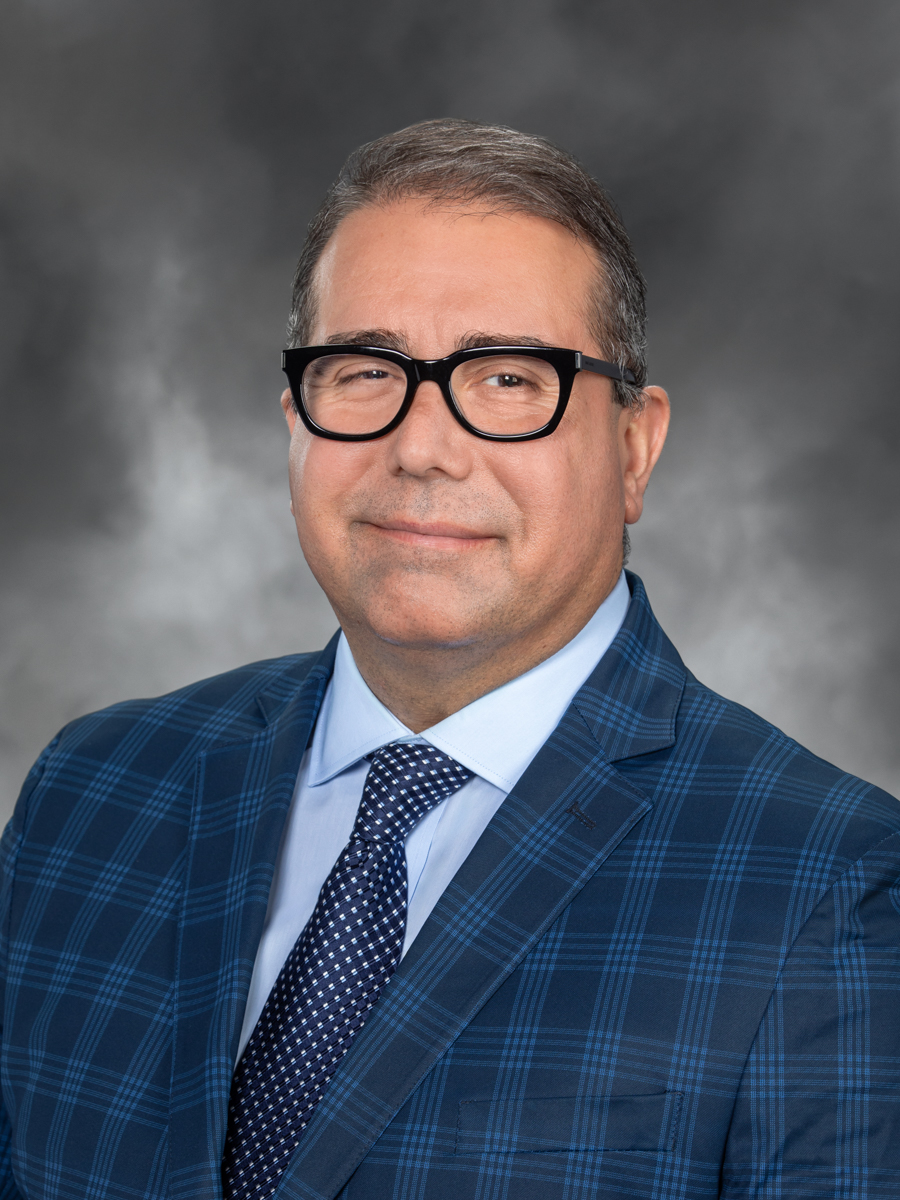
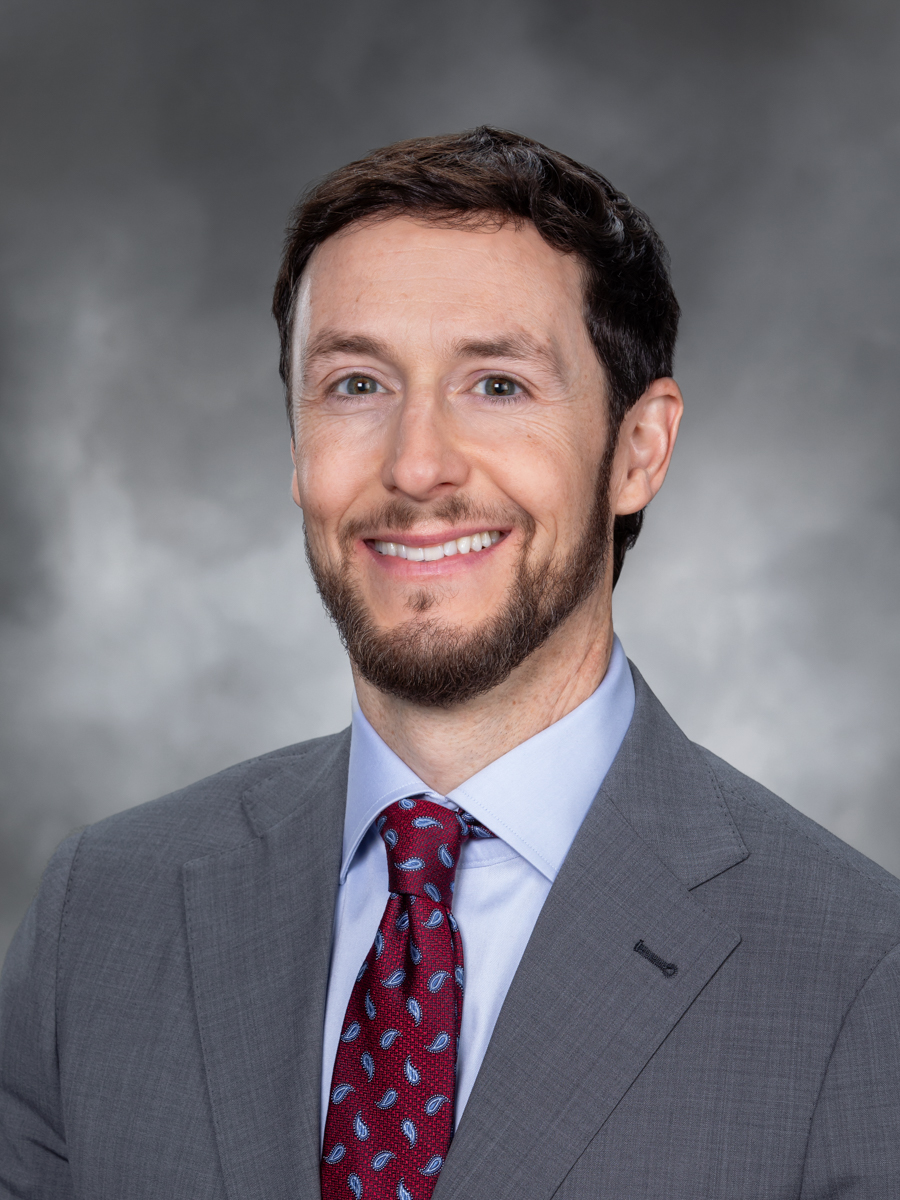
Adrian Cortes
Adrian Cortes Senate · District 18
D
Strong +
100% 17
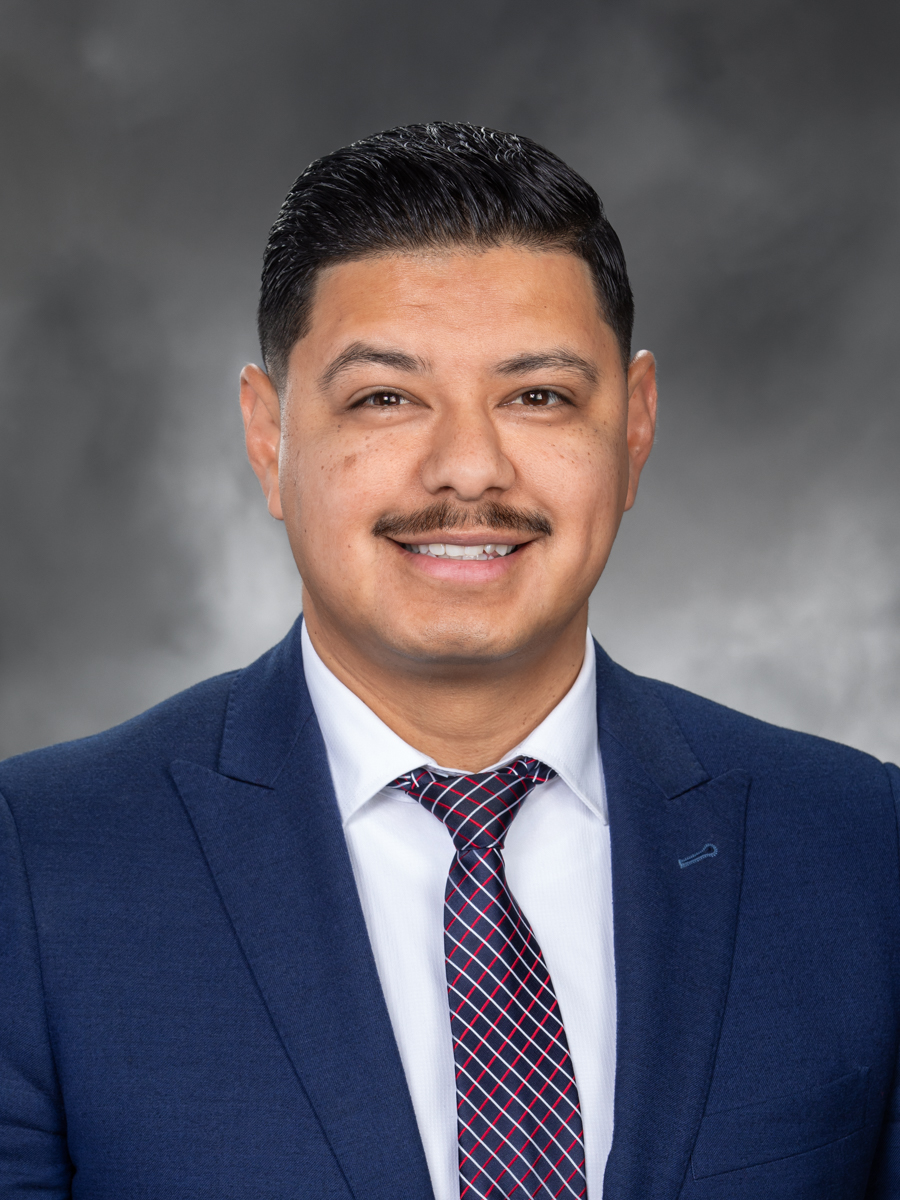
Julio Cortes
Julio Cortes House · District 38
D
Strong +
100% 17
Victoria Hunt
Victoria Hunt Senate · District 5
D
Strong +
100% 10
Annette Cleveland
Annette Cleveland Senate · District 49
D
Strong +
100% 9
Claire Wilson
Claire Wilson Senate · District 30
D
Strong +
100% 9
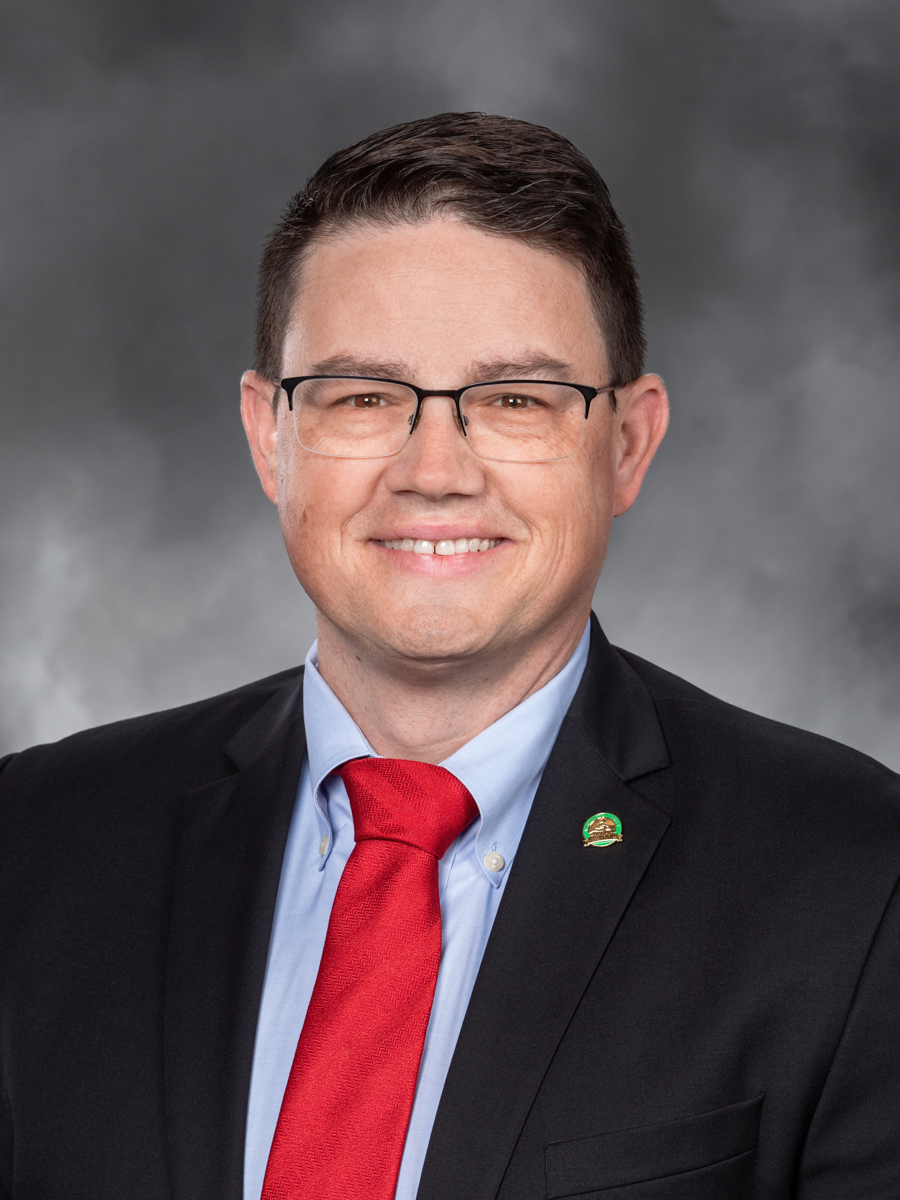
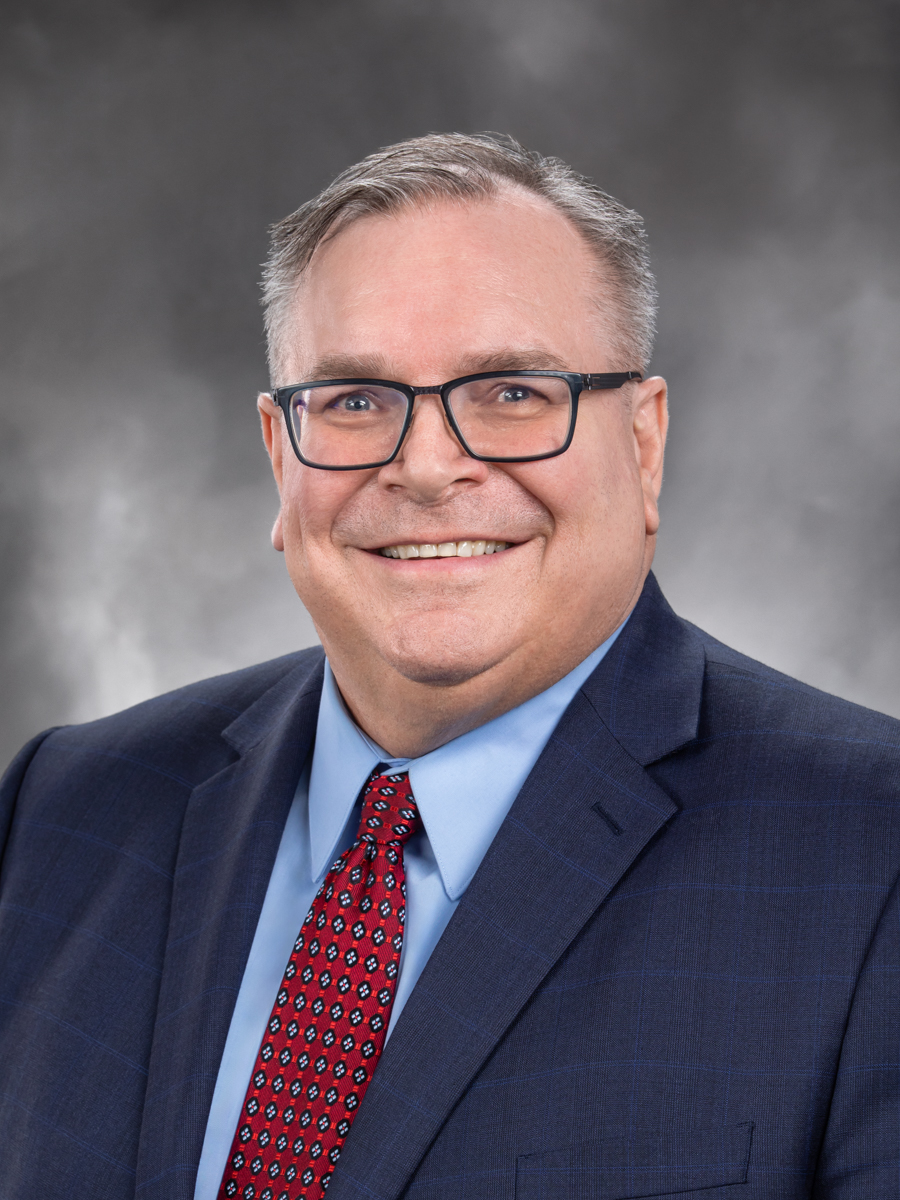
Jim Walsh
Jim Walsh House · District 19
R
Strong −
0% 8
Chris Corry
Chris Corry House · District 15
R
Strong −
0% 7
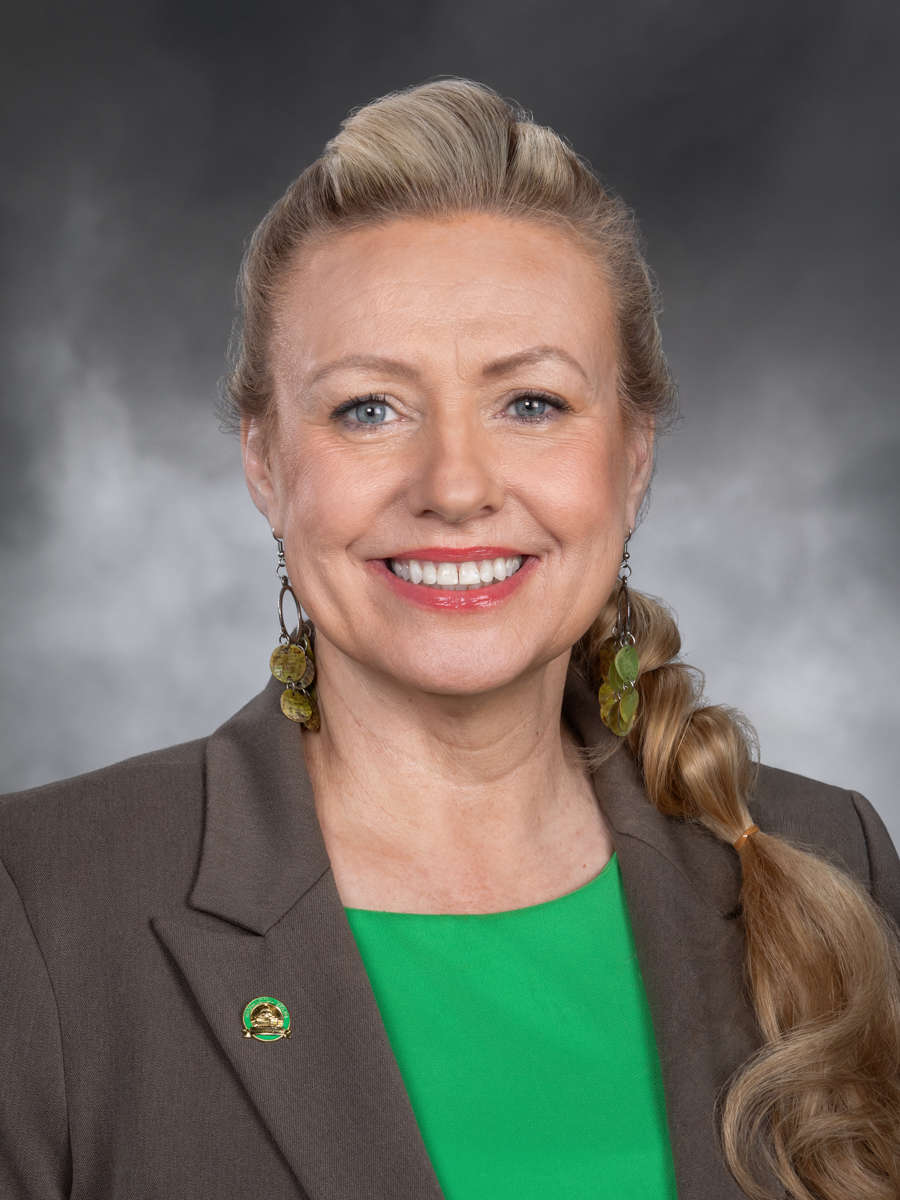
Jenny Graham
Jenny Graham House · District 6
R
Strong −
0% 7
Jeremie Dufault
Jeremie Dufault House · District 15
R
Strong −
0% 7
Mike Volz
Mike Volz House · District 6
R
Strong −
0% 7
Showing 11–20 of 96 bills

All education bills

in committee · Washington · House Feb 4, 2026

HB 2586: Modifying funding for the passport to careers program and eligibility for the Washington college grant.

HB 2586 modifies eligibility for Washington's College Grant program by automatically qualifying students already enrolled in the Passport to Careers program. It amends RCW 28B.92.200 to add Passport to Careers eligibility as a pathway for College Grant access starting in the 2026-27 academic year. This change directly affects Washington students participating in the Passport to Careers initiative, removing the need for separate financial eligibility assessments. The bill streamlines access to college grant funding without altering the Passport to Careers program's structure or funding levels.
in committee · Washington · House Feb 25, 2026

HB 2617: Enhancing higher education procedures.

HB 2617 eliminates Washington's current "fund split" funding method, which forces public colleges and universities to use tuition revenue for mandatory costs like faculty salaries and benefits. Instead, it requires the state to cover these costs directly, freeing tuition revenue to improve educational quality and student services. The bill also mandates a study by the Washington State Institute for Public Policy to define essential student services (such as counseling, tutoring, and career support) and determine their required funding levels, with a report due by December 2026. This aims to address structural underfunding that has reduced program offerings, increased class sizes, and strained institutional budgets.
in committee · Washington · House Feb 9, 2026

HB 2474: Concerning postsecondary education consumer protections in the event of school or program closures.

HB 2474 creates a tuition recovery trust fund to protect students if private colleges licensed under Washington state law close or violate consumer protection rules. It requires schools to make cash deposits into this fund to cover refunds, record transfers, or teach-out options for affected students. Schools must offer students a comparable program at another institution or a teach-out plan if they discontinue operations, and they must refund tuition if they fail to comply. The bill also voids student debt for programs discontinued in violation of these requirements, directly benefiting students enrolled in closing programs.
in committee · Washington · House Feb 4, 2026

HB 2458: Expanding access to the Washington college grant to students enrolled in eligible postsecondary nondegree credential programs.

HB 2458 would expand Washington's college grant program to cover students enrolled in eligible nondegree credential programs (such as career certificates or short-term workforce training) starting in the 2027-28 academic year. It requires the State Board for Community and Technical Colleges and the Student Achievement Council to propose maximum grant amounts for these programs by December 2026. To qualify, students must still meet existing financial need criteria (e.g., public assistance program participation) and be Washington residents. This change allows students to use the grant for shorter, degree-free training without pursuing a full college credential.
in committee · Washington · House Jan 12, 2026

HB 2282: Supporting the implementation of transition to kindergarten programs.

HB 2282 renames "transitional kindergarten" as the "transition to kindergarten program" and establishes state rules to support its implementation. The bill requires schools to enroll eligible 4-year-olds needing extra kindergarten preparation (based on assessments), prioritize low-income families, and prohibit tuition fees or disability-based exclusion. It mandates specific program standards, including using state-developed curricula, conducting regional child care needs assessments before launching, and reporting data separately from regular kindergarten. Funding is tied to the number of enrolled students using existing education formulas but is separate from the state's basic education budget. The program directly affects school districts, charter schools, tribal schools, and eligible children preparing for kindergarten.
in committee · Washington · Senate Feb 3, 2026

SB 6325: Enhancing higher education procedures.

SB 6325 aims to fix Washington's higher education funding system by ending the "fund split" methodology, which forces public colleges and universities to use tuition revenue to cover mandatory costs like faculty raises and benefits instead of state funds. This change would restore state funding for these costs, allowing institutions to use tuition revenue to improve educational quality rather than cover fixed expenses. The bill also requires a study by the Washington State Institute for Public Policy to define essential student services (like academic support, mental health resources, and career counseling) and determine the per-student cost needed to provide them. This study, due by June 2027, will create a "student service adequacy index" to guide future budget decisions. The bill directly affects public four-year colleges, community colleges, and students through improved program access and faculty stability.
Sub-Topics Higher Education
in committee · Washington · Senate Jan 30, 2026

SB 5978: Establishing the Washington guaranteed admissions program and requiring student notifications.

SB 5978 establishes Washington's Guaranteed Admissions Program, requiring public four-year colleges to simplify admissions applications and set clear eligibility criteria starting in 2027-28. It mandates high schools to use a statewide digital system to securely share student transcripts with participating colleges for eligible 11th/12th graders, while allowing families to opt out of data sharing. The bill directly affects public universities (with optional participation), high schools, and students applying to college through this program. Key provisions include streamlined admissions forms, annual review of eligibility criteria, and free data transfer via the Washington School Information Processing Cooperative.
Sub-Topics Higher Education
passed · Washington · Senate Mar 12, 2026

SB 5985: Concerning endometriosis.

SB 5985 requires the University of Washington (with Washington State University and stakeholders) to create an online resource center by July 1, 2028, providing evidence-based materials on endometriosis diagnosis, care, and communication tools for healthcare providers. It also mandates that Washington’s Office of Public Instruction update school health education standards to include menstrual health awareness, helping students recognize symptoms that may indicate endometriosis. The online resource center must be updated every three years and expire December 31, 2031, while the school curriculum changes expire June 30, 2029. This bill directly affects residents with endometriosis, healthcare systems, and public school students across Washington state.
in committee · Washington · House Feb 19, 2026

HB 2438: Establishing the supporting our early education degree seekers scholarship.

HB 2438 establishes the "Supporting Our Early Education Degree Seekers Scholarship" to provide tuition-free education for students pursuing early childhood education credentials at Washington state community or technical colleges. It targets low-to-moderate income students (65-150% of state median family income) enrolled in eligible associate degree or certificate programs, requiring them to work in early learning centers for two years post-graduation. The scholarship uses $10 million annually from the existing Washington Advanced College Tuition Payment Program surplus (which has a 178% funding level), covering up to 90 tuition credits per student over three years. Recipients must maintain academic progress and may receive additional wraparound support services from colleges to aid program completion.
in committee · Washington · House Jan 16, 2026

HB 2538: Increasing pay equity for part-time faculty.

HB 2538 requires Washington community and technical colleges to gradually increase part-time faculty pay to 75% of full-time comparable pay by 2028-29, 80% by 2029-30, and 85% by 2030-31 for the same classroom teaching hours. The bill directly affects part-time faculty at these institutions and mandates annual progress reports to the legislature, including data on pay gaps, faculty demographics, and departmental disparities. Colleges must base pay equity on instructional workloads, including class time, preparation, grading, and student support. The law aims to stabilize faculty employment, improve student outcomes, and increase workforce diversity by closing long-standing pay gaps.
Showing 11 to 20 of 96 bills