

Issue · Education
Education
Every education bill, vote, and legislator stance in Washington, automatically classified by Maddy, our AI policy reader.
Total bills
332
2025-2026 Regular Session
Top supporter
Claire Wilson
89% support rate
Top opponent
Zach Hall
13% support rate
Ranked legislators
10
5 support · 5 oppose
Key legislators
Who's moving education in Washington
| Legislator | Party | Stance | Support rate | Votes |
|---|---|---|---|---|

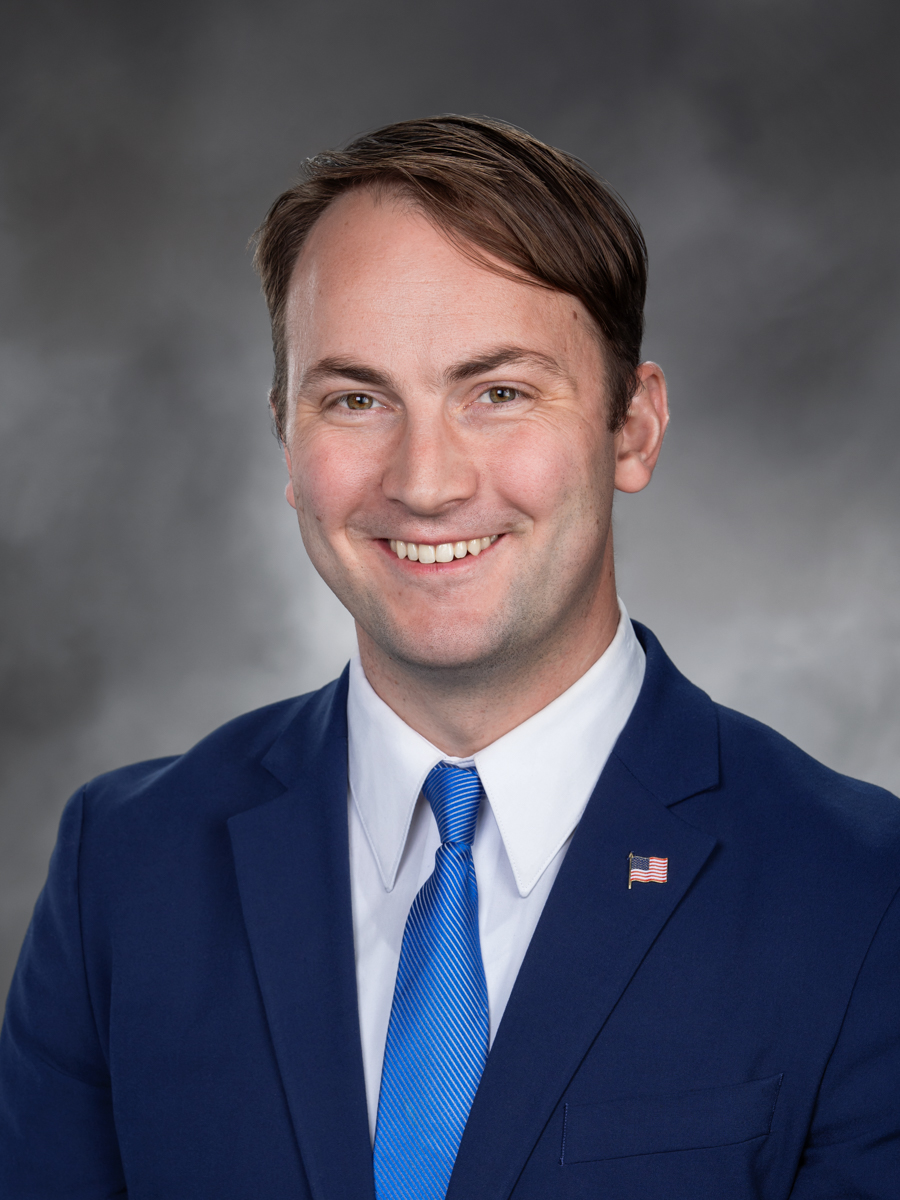
Claire Wilson
Senate · District 30
|
D |
Strong +
|
89% | 74 |
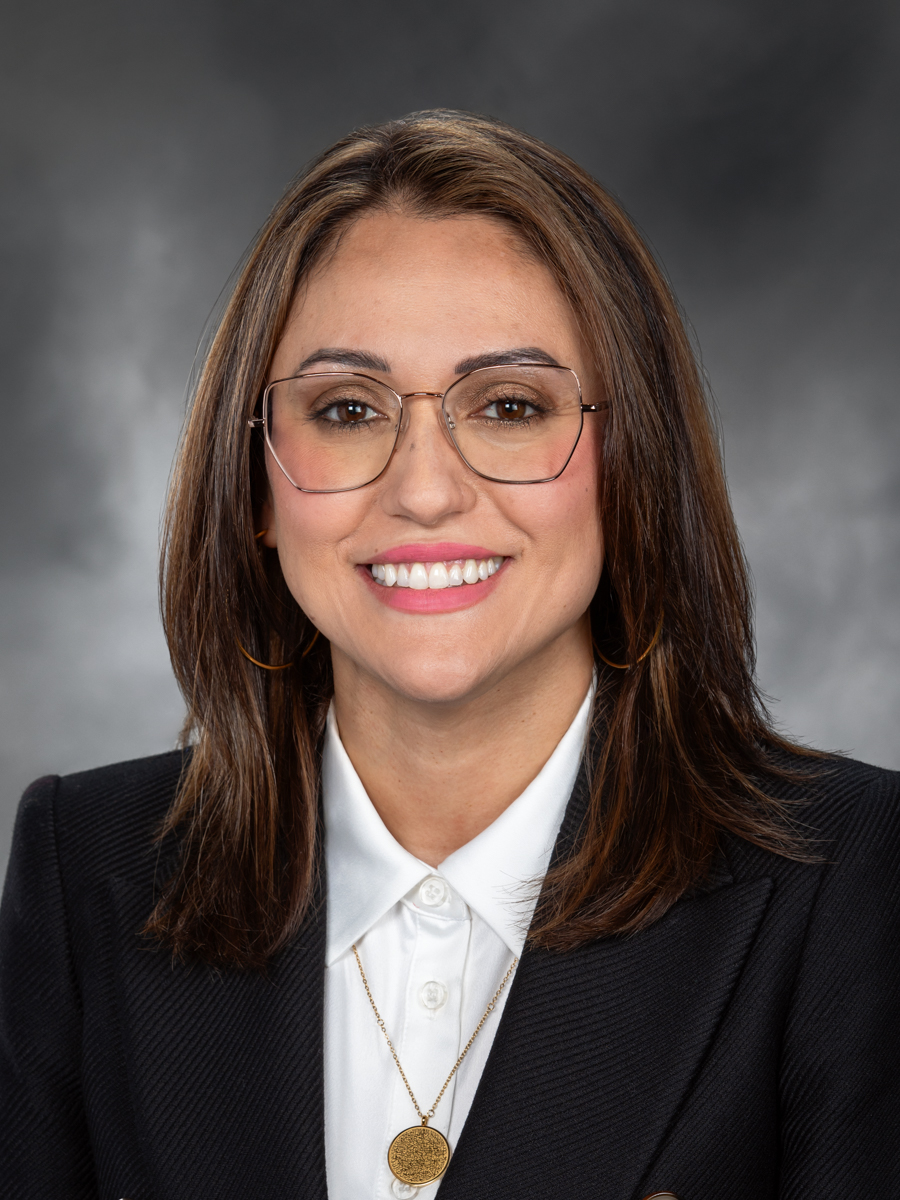
Adison Richards
House · District 26
|
D |
Strong +
|
88% | 190 |
Yasmin Trudeau
Senate · District 27
|
D |
Strong +
|
86% | 74 |
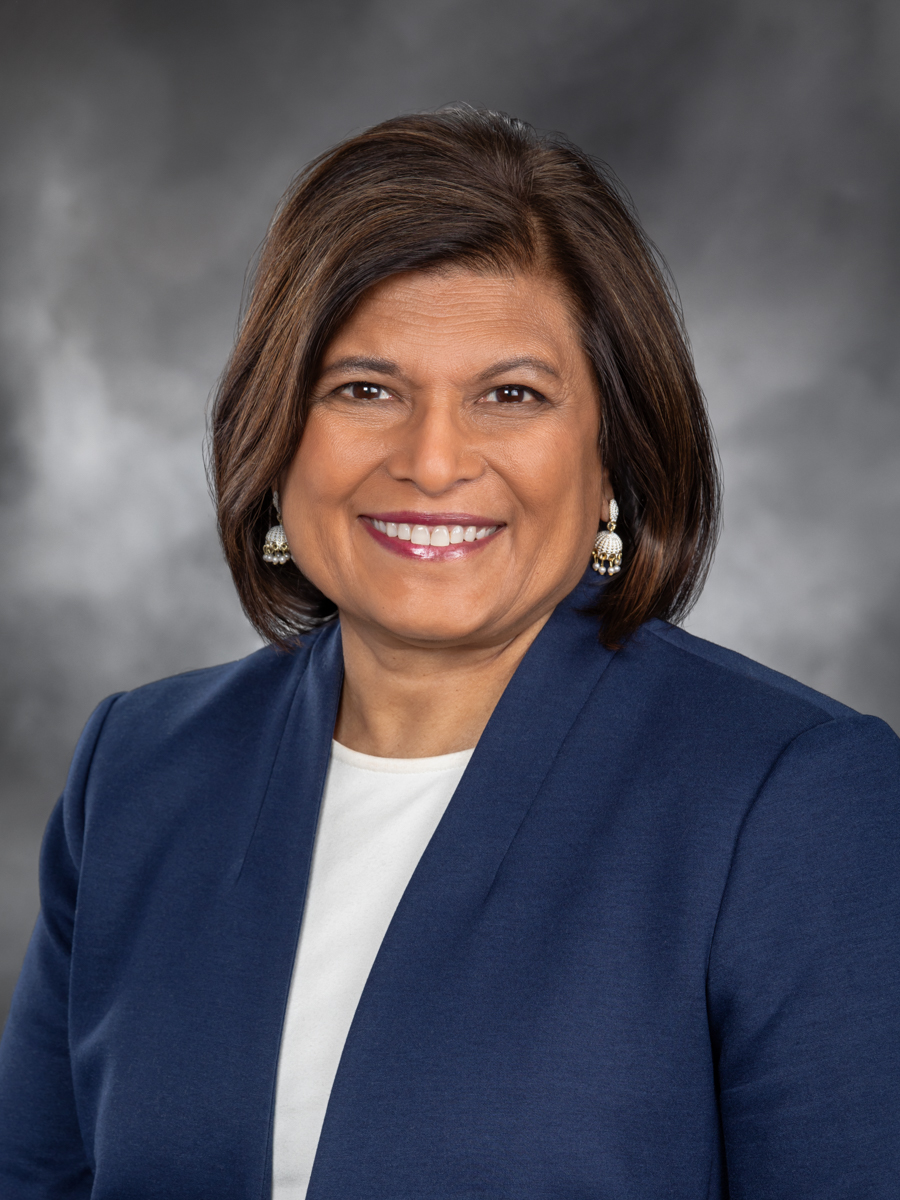
Vandana Slatter
Senate · District 48
|
D |
Strong +
|
86% | 75 |
|
RS
Rebecca Saldaña
Senate · District 37
|
D |
Strong +
|
86% | 74 |

Zach Hall
House · District 5
|
D |
Strong −
|
13% | 135 |

Leonard Christian
Senate · District 4
|
R |
Strong −
|
14% | 74 |

Jim McCune
Senate · District 2
|
R |
Strong −
|
14% | 72 |
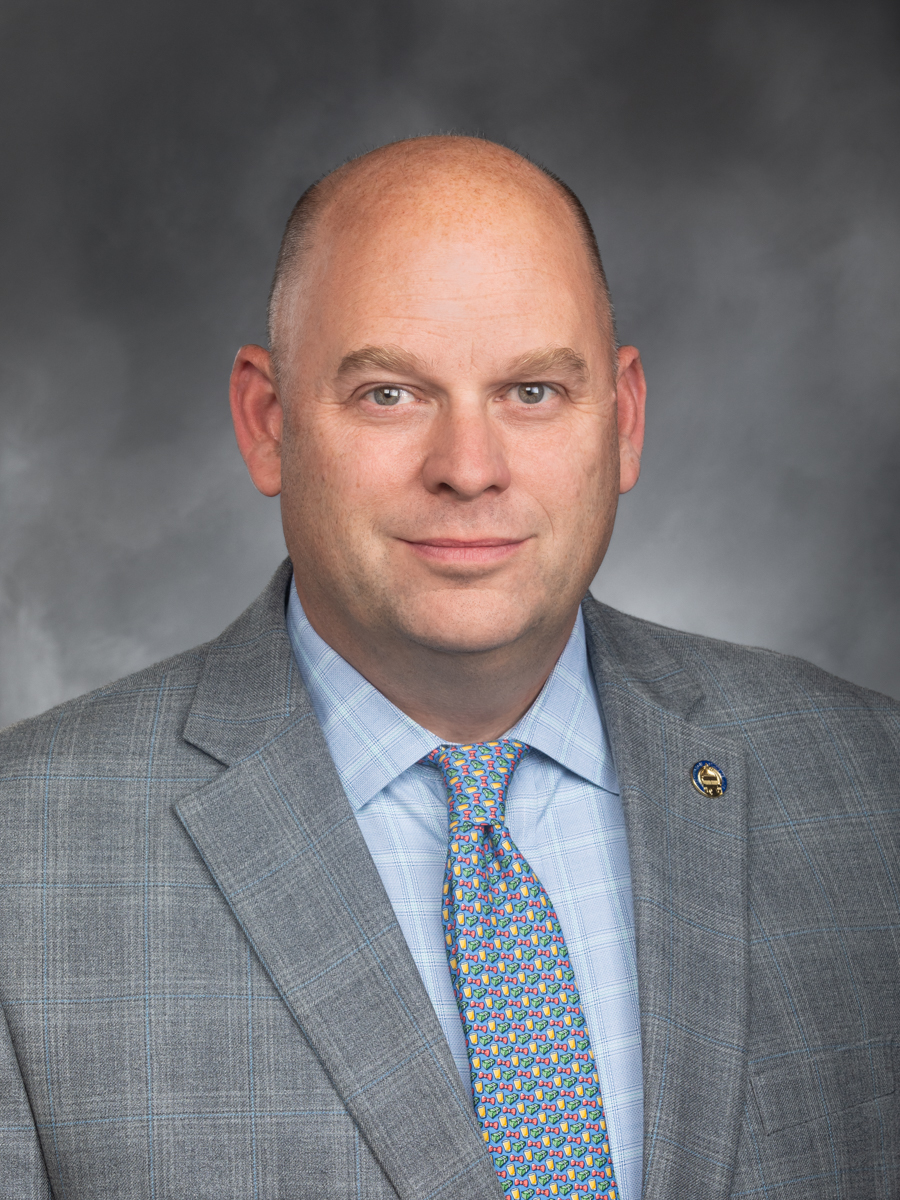
Drew MacEwen
Senate · District 35
|
R |
Strong −
|
16% | 73 |
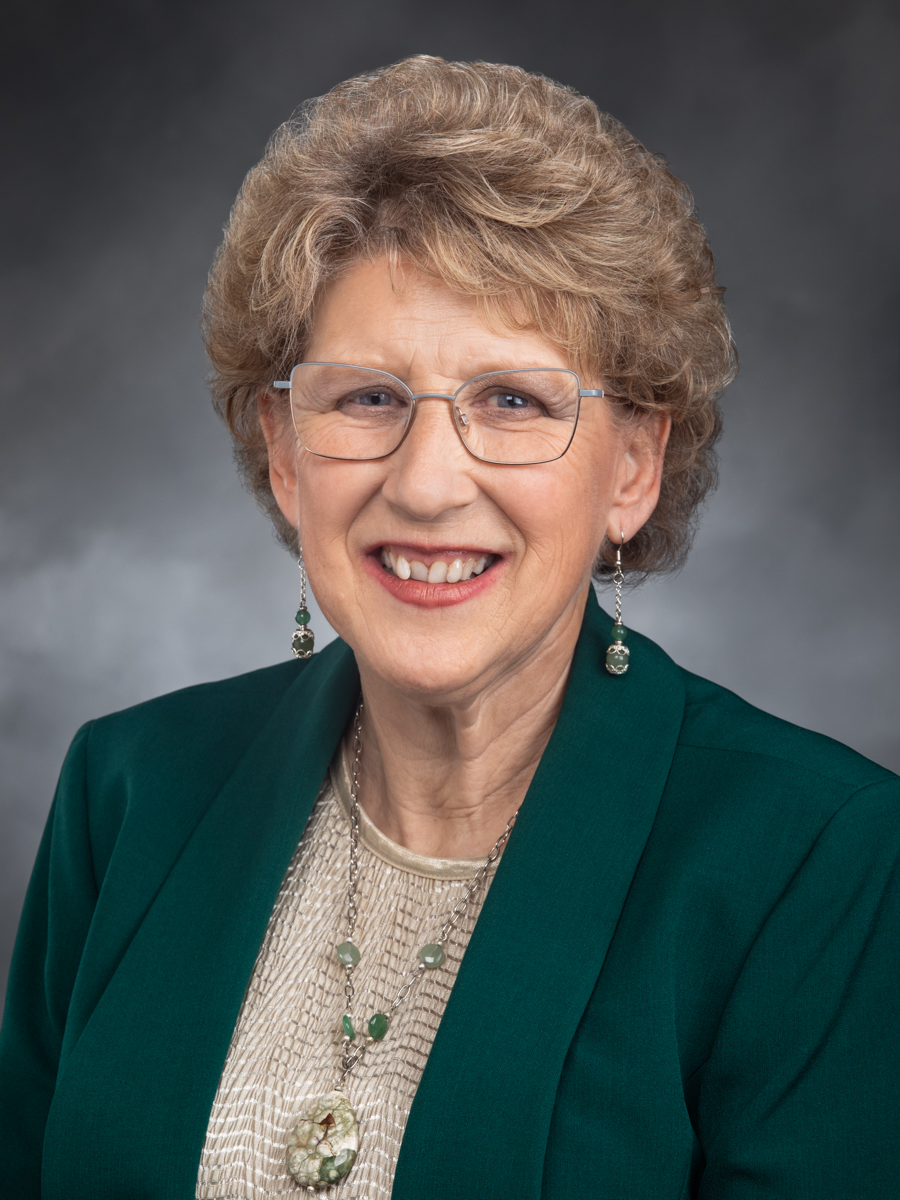
Shelly Short
Senate · District 7
|
R |
Strong −
|
18% | 74 |
Showing 11–20 of 332
bills
All education bills
SB 6057: Using concurrent medicaid enrollment savings to fund opportunities in science, technology, engineering, and mathematics education.
Topics
✓ Budget & TaxesSupports Budget & TaxesRedirects Medicaid enrollment savings to fund STEM education programs, increasing state appropriations for public education.
✓ EducationSupports EducationBill redirects recovered Medicaid funds to a dedicated STEM education account, explicitly funding STEM programs in education per its summary.
✗ HealthcareOpposes HealthcareBill diverts Medicaid recovery funds to STEM education, not healthcare, effectively defunding healthcare initiatives.
HB 2429: Supporting children and youth behavioral health.
Topics
✓ EducationSupports EducationImproves coordination between education and health systems to expand behavioral health access for students, enhancing educational support systems and access.
✓ HealthcareSupports HealthcareEstablishes Work Group to expand behavioral health access for youth, improve coordination between systems, and recommend strategies to increase service availability.
HB 2121: Exempting nonprofits and schools from certain sales and use taxes on services.
Topics
✓ Budget & TaxesSupports Budget & TaxesExempts nonprofits/schools from sales tax on services, providing tax relief for essential organizations.
✓ EducationSupports EducationExempts schools from sales taxes on operational services (repairs, maintenance), reducing costs and freeing funds for educational use.
Sub-Topics
Sales Tax
HB 2550: Adding certain students at certain community and technical colleges to the passengers that must be allowed to ride transit for free under the transit support grant program.
Topics
✓ EducationSupports EducationExpands free transit access for community college students, improving educational access to higher education institutions.
✓ TransportationSupports TransportationExpands free transit access for community college students, requiring zero-fare policy for qualifying agencies to receive state grants, directly strengthening public transit accessibility and ridership under the transit support program.
HB 2612: Protecting revenues devoted to the workforce education investment account.
Topics
✓ Budget & TaxesSupports Budget & TaxesBill mandates dedicated funding for workforce education by protecting surcharge revenues from diversion, preventing replacement of existing funding, and ensuring fiscal responsibility for essential programs.
✓ EducationSupports EducationBill mandates direct deposit of surcharge revenues into workforce education account for higher education programs, workforce development, and student aid, preventing diversion from dedicated education funding.
✓ Labor & EmploymentSupports Labor & EmploymentDirects surcharge funds exclusively to workforce development and education programs, advancing employment opportunities and skills training per bill's explicit funding mandate.
SB 5992: Creating the youth development fund account to increase access to positive youth development programs.
Topics
✓ Budget & TaxesSupports Budget & TaxesCreates state-funded account for youth development programs, increasing public service funding through state budget allocation.
✓ Criminal JusticeSupports Criminal JusticeBill funds youth development programs targeting underserved communities to prevent criminal justice involvement, aligning with recidivism reduction and reform goals.
✓ EducationSupports EducationCreates state-funded account for youth development programs prioritizing underserved communities, expanding access to after-school/career programs and enhancing educational equity through grants to community partners.
Tags
Children
SB 6115: Concerning comprehensive cancer education programs.
Topics
✓ EducationSupports EducationAdds cancer education to K-12 health curriculum, expands access for diverse students, supplements funding without replacing existing programs.
✓ HealthcareSupports HealthcareExpands cancer prevention education in schools, aligning with public health programs and mental health resources, supplementing existing curricula without defunding.
SB 6192: Concerning instruction and intervention in reading and mathematics.
Sub-Topics
Teachers
HB 2398: Establishing business and occupation and public utility tax credits for small business employers providing maritime trade educational assistance.
Topics
✓ Budget & TaxesSupports Budget & TaxesCreates tax credit reducing business tax burden for small employers, directly supporting tax policy through targeted relief for workforce training costs.
✓ EducationSupports EducationCreates tax credits covering 100% of maritime trade education costs (tuition, certification), directly funding employee access to training programs and enhancing workforce educational opportunities.
✓ Labor & EmploymentSupports Labor & EmploymentProvides tax credit for employer-funded maritime training, enhancing worker skills and career opportunities under employment standards