Issue · Education

Education

Every education bill, vote, and legislator stance in Washington, automatically classified by Maddy, our AI policy reader.

Total bills
20
2025-2026 Regular Session
Top supporter
Claire Wilson
89% support rate
Top opponent
Zach Hall
13% support rate
Ranked legislators
10
5 support · 5 oppose
Key legislators

Who's moving education in Washington

Legislators moving education in Washington
Legislator Party Stance Support rate Votes
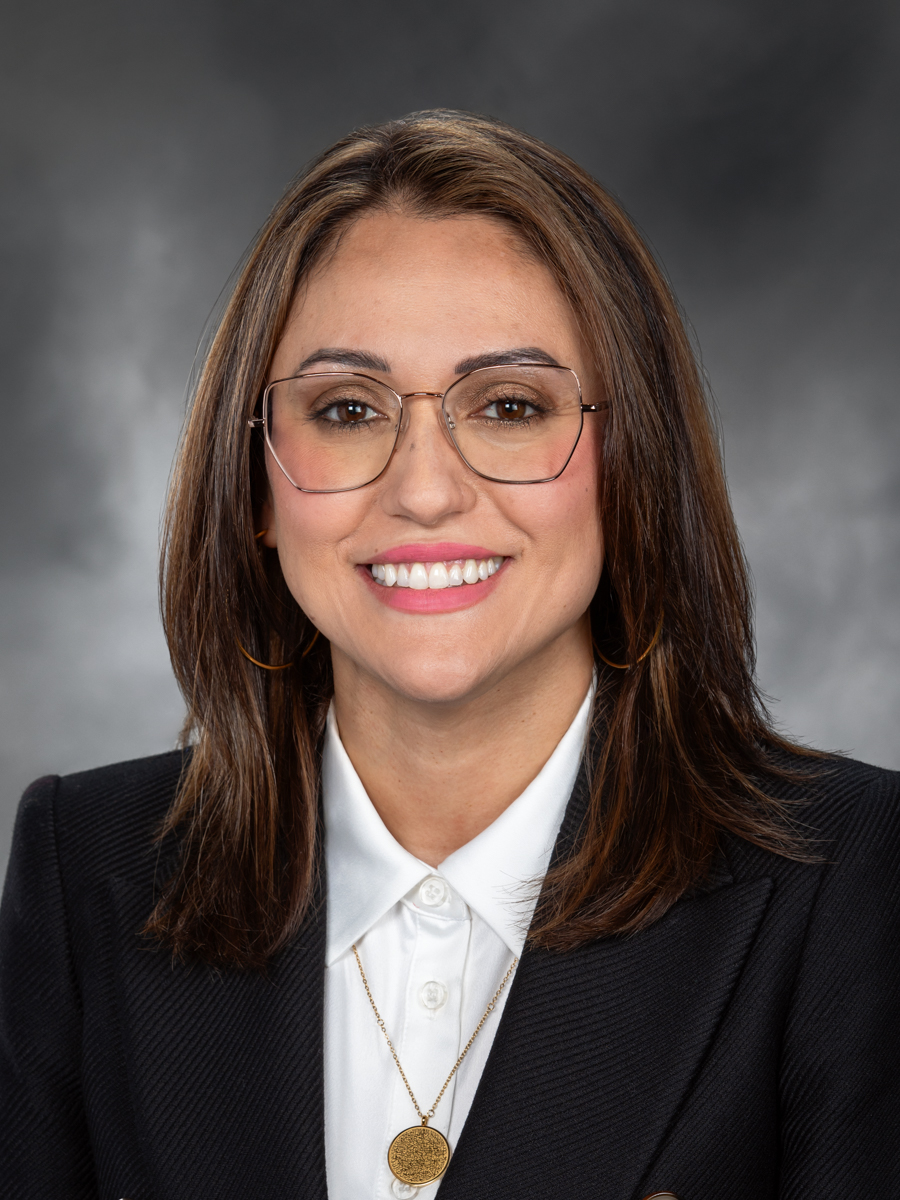
Claire Wilson
Claire Wilson Senate · District 30
D
Strong +
89% 74
Adison Richards
Adison Richards House · District 26
D
Strong +
88% 190
Yasmin Trudeau
Yasmin Trudeau Senate · District 27
D
Strong +
86% 74
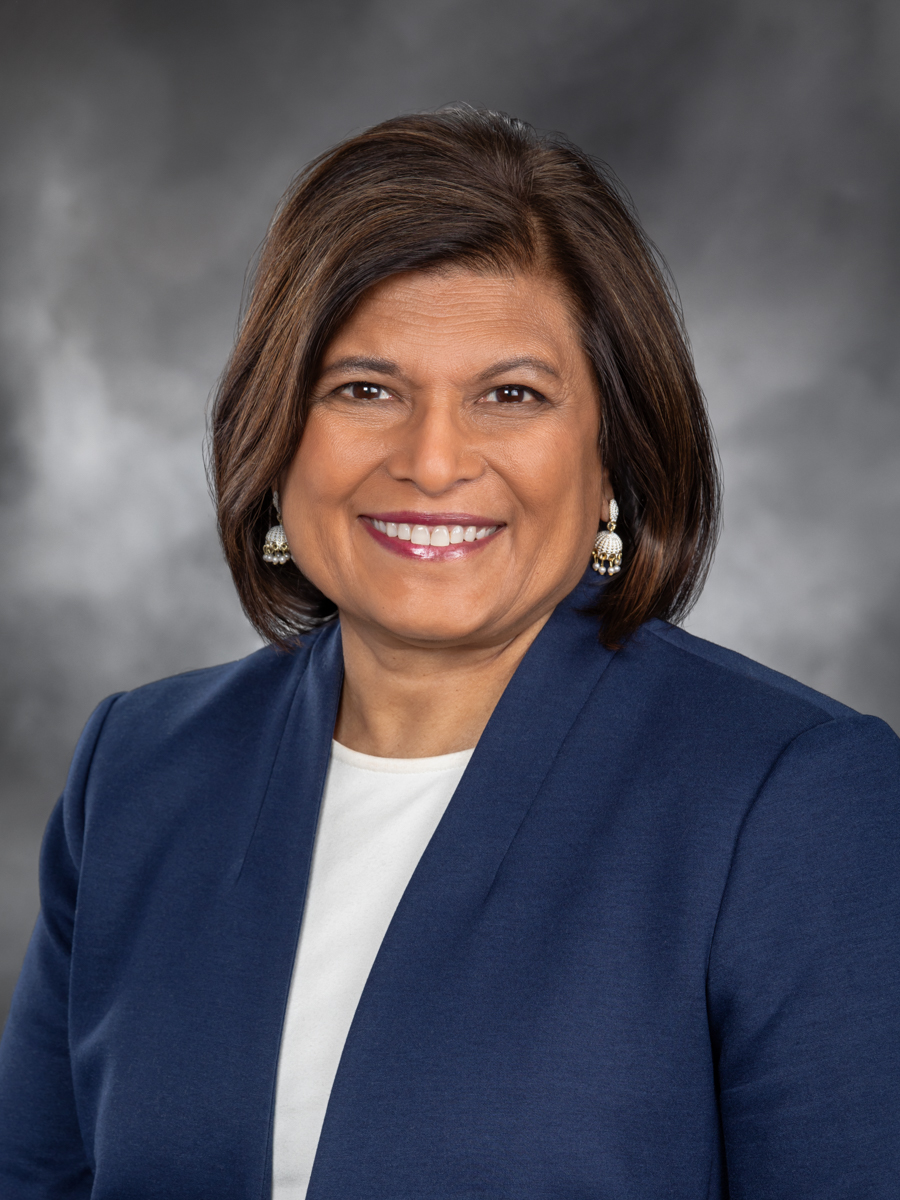
Vandana Slatter
Vandana Slatter Senate · District 48
D
Strong +
86% 75
RS
Rebecca Saldaña Senate · District 37
D
Strong +
86% 74
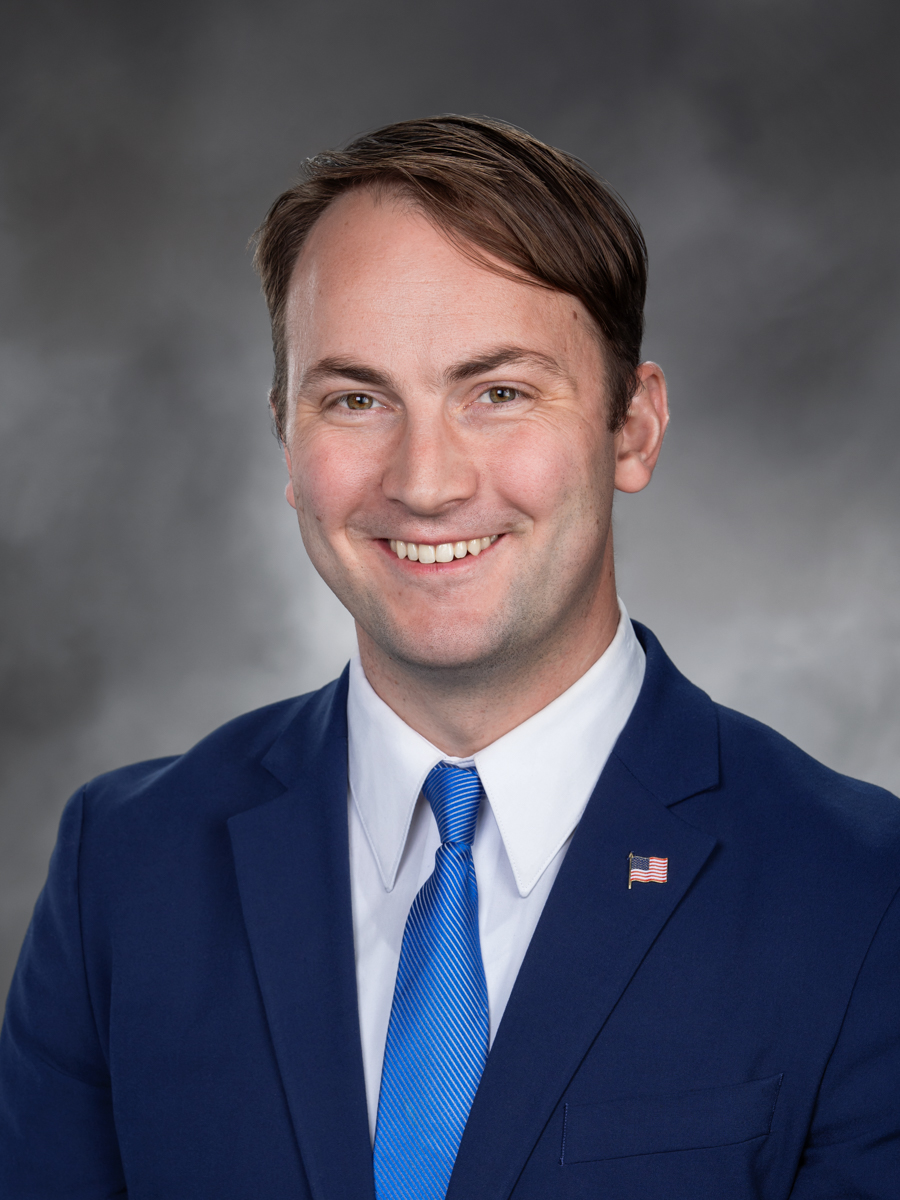
Zach Hall
Zach Hall House · District 5
D
Strong −
13% 135
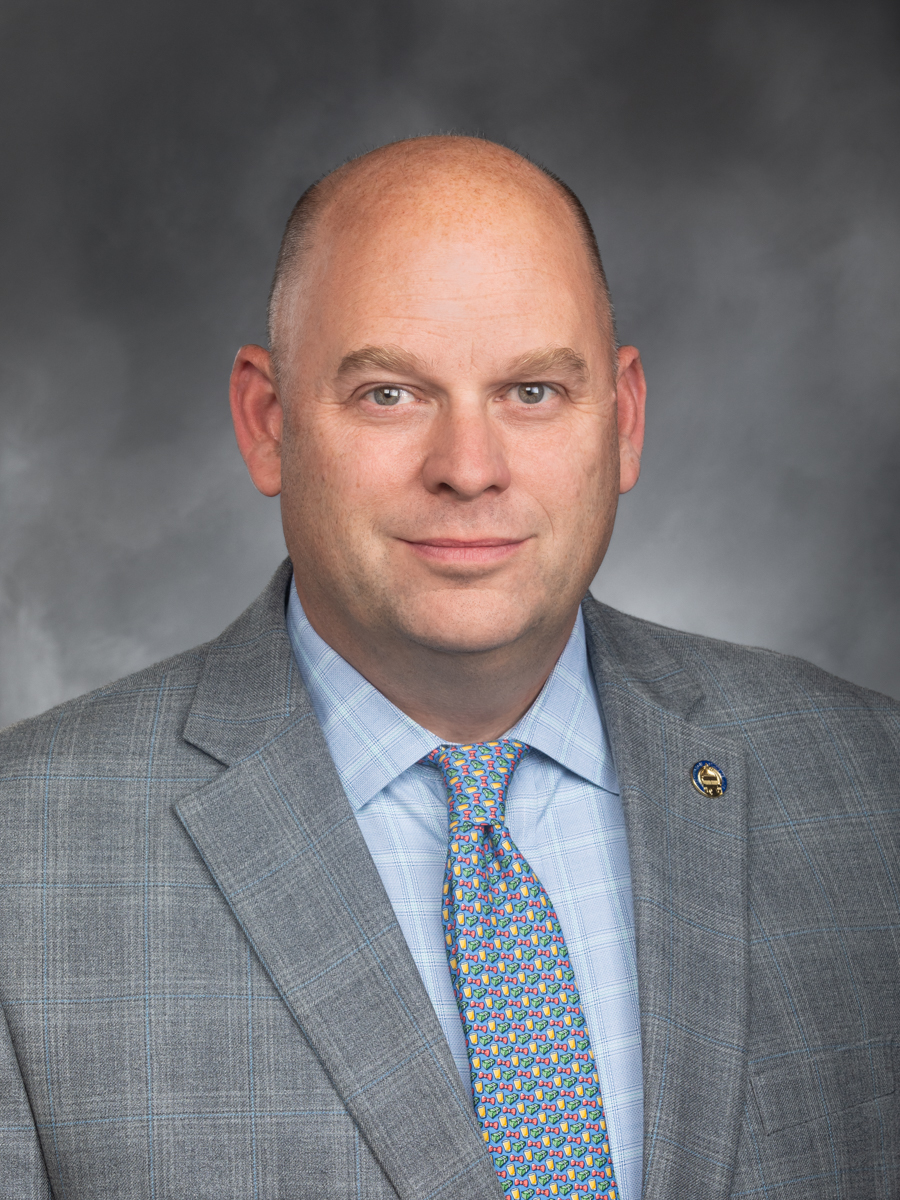
Leonard Christian
Leonard Christian Senate · District 4
R
Strong −
14% 74
Jim McCune
Jim McCune Senate · District 2
R
Strong −
14% 72
Drew MacEwen
Drew MacEwen Senate · District 35
R
Strong −
16% 73
Shelly Short
Shelly Short Senate · District 7
R
Strong −
18% 74
Showing 1–10 of 20 bills

All education bills

in committee · Washington · Senate Jan 30, 2026

SB 6209: Concerning financial aid awards for students attending private four-year institutions of higher education.

This bill adjusts Washington State's financial aid program for students attending private four-year colleges. It sets specific maximum grant amounts for private non-profit institutions ($9,739 through 2025-26, then 50% of public research institution awards starting 2026-27) and for private for-profit institutions (similar fixed amounts through 2025-26, transitioning to 50% of public awards in 2026-27). The policy directly affects students enrolled at eligible private four-year colleges in Washington, including both non-profit and for-profit institutions. The key change is shifting from fixed annual amounts to a formula tied to public institution awards beginning in 2026-27.
in committee · Washington · Senate Jan 28, 2026

SB 6326: Addressing school district accounting, budgeting, and reporting requirements.

SB 6326 requires Washington school districts to maintain minimum fund balances based on size: large districts (2,000+ students) must keep at least 6% of prior year state funding, while smaller districts must keep 8%. Districts cannot use these funds for salaries or benefits but may access them for unexpected enrollment changes, short-term cash flow, emergencies, or preapproved one-time costs. Starting in 2028-29, districts must submit monthly financial reports to the state superintendent, including expenditures, revenue, and cash balances, with late submissions risking withheld state payments. Failure to restore required fund balances triggers state intervention to redirect funding over 12 months. The bill directly affects all public school districts in Washington State.
Sub-Topics School Funding
in committee · Washington · House Feb 4, 2026

HB 2567: Concerning the Washington college grant and college bound scholarship program for students attending private four-year not-for-profit institutions of higher education in Washington.

HB 2567 updates Washington's college grant program to adjust funding for students attending private four-year non-profit institutions. Starting in the 2026-27 academic year, the maximum grant amount for these students will be set at 50% of the average award given to students at public four-year institutions, replacing the previous fixed amount of $9,739 (adjusted annually for tuition growth). This change directly affects students enrolled at eligible private non-profit universities in Washington state who qualify for financial aid. The bill amends existing grant formulas to align private institution funding more closely with public institution awards, effective after the 2025-26 academic year.
in committee · Washington · House Feb 4, 2026

HB 2498: Concerning nursing education program standards.

HB 2498 limits the Washington State Nursing Quality Assurance Commission's authority by requiring it to align with national accreditation standards for nursing education programs. The bill prohibits the board from demanding additional standards beyond national accreditation, deeming accredited programs' self-studies sufficient documentation, and forbidding extra corrective action requests beyond those from national accreditors. It mandates technical assistance for programs with NCLEX pass rates below 80% and expedites approval for new programs at institutions with existing accredited nursing programs. The bill directly affects nursing education programs, educators, and simulation staff, focusing on reducing regulatory burden while maintaining quality through established national accreditation processes.
in committee · Washington · Senate Feb 26, 2026

SB 5909: Reviewing and discontinuing low-enrollment undergraduate programs at public baccalaureate institutions.

Washington's SB 5909 requires public universities to review undergraduate programs with fewer than 10 graduates annually over five years. After three consecutive years on the review list, institutions must consider discontinuing such programs unless they demonstrate factors like newness, workforce demand, equity needs, or accreditation requirements. If discontinued, schools must create a "teach-out plan" to help current students complete their degrees. The bill mandates annual reports to the legislature detailing all reviewed programs, decisions, and financial/student outcome data.
Sub-Topics Higher Education
in committee · Washington · House Jan 12, 2026

HB 2065: Reducing administrative staffing at institutions of higher education.

HB 2065 requires Washington's public colleges and universities to reduce administrative staffing to 2008 levels by June 30, 2025, directly affecting all state institutions of higher education. The bill mandates each institution calculate reductions based on its 2008 administrative-to-student ratio, resulting in specific cuts (e.g., UW must reduce 2,381 administrative staff equivalents). This will lower state appropriations for fiscal year 2026 by millions of dollars (e.g., $17.6 million for UW), with anticipated tuition savings for students. The goal is to make higher education more affordable by aligning administrative costs with educational mission, without altering academic programs.
Sub-Topics Higher Education
in committee · Washington · Senate Jan 12, 2026

SB 5136: Protecting the rights of parents and guardians by using students' given names in public schools.

SB 5136, the "Given Name Act," requires Washington public schools to use students' birth certificate names and pronouns matching their biological sex (as listed on their birth certificate) without parental written permission. School staff - including teachers, administrators, and support workers - must follow this rule unless parents provide specific written consent for alternative names or pronouns. The bill also allows school employees to refuse using non-biological-sex pronouns based on religious or moral beliefs and permits affected individuals to seek legal recourse for violations. It applies to all K-12 public school employees and students under 18, with no exceptions for discussing gender identity outside school duties.
Sub-Topics K-12 Education
in committee · Washington · Senate Jan 12, 2026

SB 5137: Requiring parental or legal guardian approval before a child participates in comprehensive sexual health education.

SB 5137 requires Washington public schools to obtain written approval from a child's parent or legal guardian before providing comprehensive sexual health education. This replaces the current system where parents could opt their child out with a written request, making parental consent mandatory prior to any instruction. The bill maintains existing curriculum requirements (including medically accurate, age-appropriate content covering abstinence, contraception, and affirmative consent) but shifts the process to require active parental approval. It directly affects parents/guardians of K-12 students in Washington public schools and takes effect starting the 2025-26 school year. The law amends RCW 28A.300.475 to formalize this approval requirement.
in committee · Washington · House Jan 12, 2026

HB 2054: Limiting the number of full-time equivalent employees in higher education.

HB 2054 limits staffing at Washington's community and technical colleges by requiring that no college employs more than one full-time equivalent employee for every six full-time equivalent enrolled students. This rule applies directly to all community and technical colleges across the state, calculated as an annual average. The bill mandates that colleges maintain this 1:6 employee-to-student ratio as part of their operational standards. It does not change tuition, academic programs, or other core functions, but directly affects how colleges manage their workforce based on enrollment numbers.
Sub-Topics Higher Education
in committee · Washington · Senate Jan 12, 2026

SB 5789: Restoring state financial aid assistance to a maximum of 125 percent of credits needed to graduate.

SB 5789 restores the maximum state financial aid eligibility for the Washington College Grant program to 125 percent of the credits required to graduate, replacing a previous higher limit. This change directly affects eligible students pursuing postsecondary credentials who receive state aid, ensuring support aligns with standard program credit requirements. The bill amends key statutes to set this 125% cap, meaning aid will no longer cover credits beyond 125% of a program’s published length. It applies to students meeting financial need criteria and enrolled in Washington institutions or apprenticeships, maintaining existing eligibility rules for low-income residents. The policy update aims to streamline aid usage while preserving access for qualifying students.
Showing 1 to 10 of 20 bills
1 2 Next