Issue · Criminal Justice

Criminal Justice (Violent Crime)

Every criminal justice bill, vote, and legislator stance in Washington, automatically classified by Maddy, our AI policy reader.

Total bills
11
2025-2026 Regular Session
Top supporter
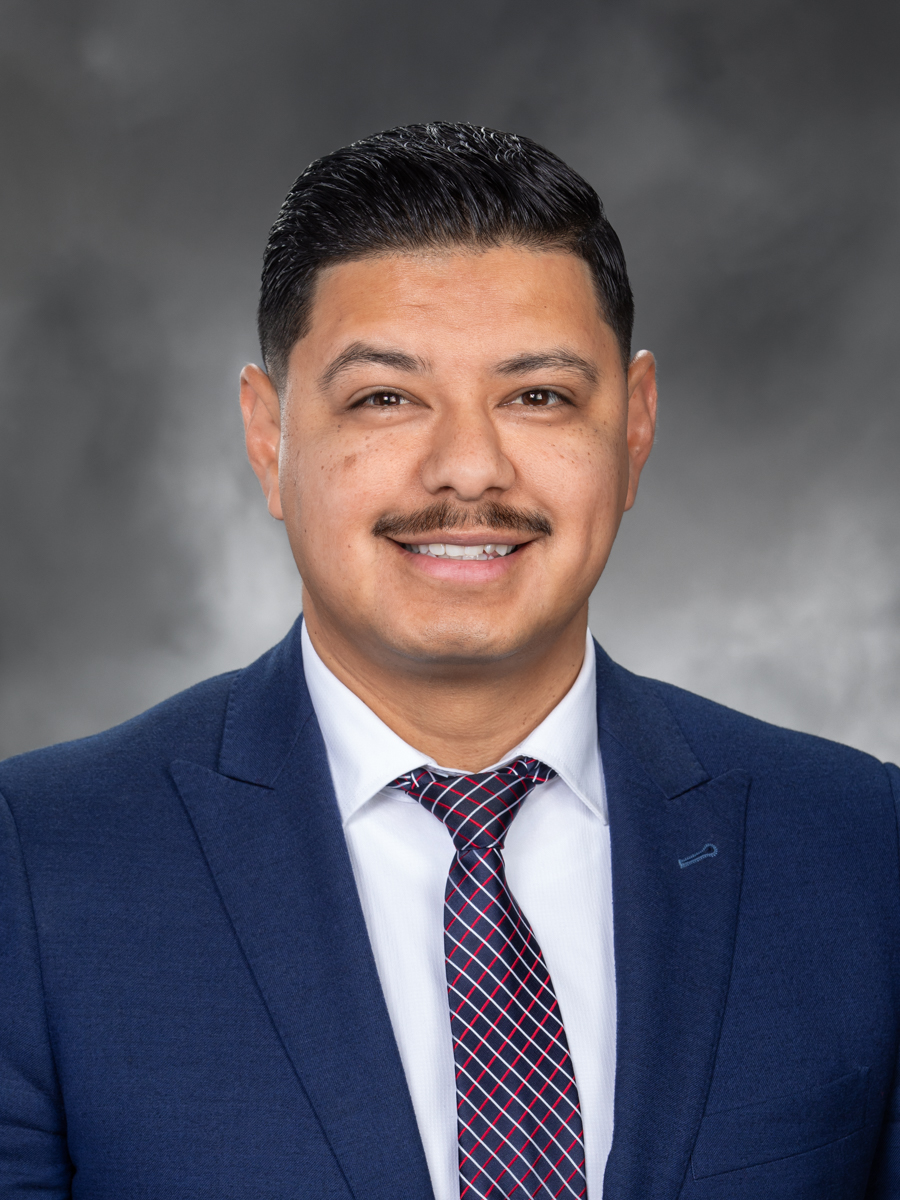
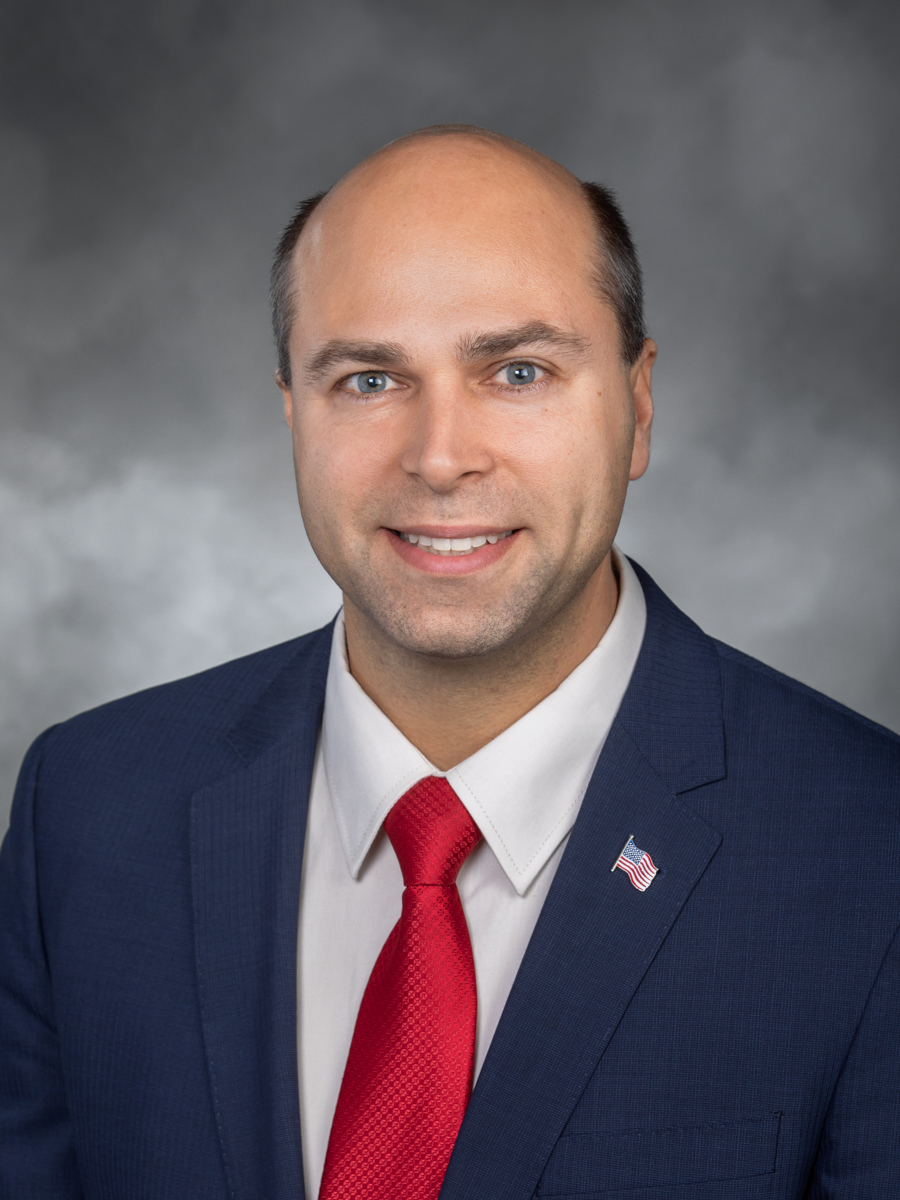
Adrian Cortes
100% support rate
Top opponent
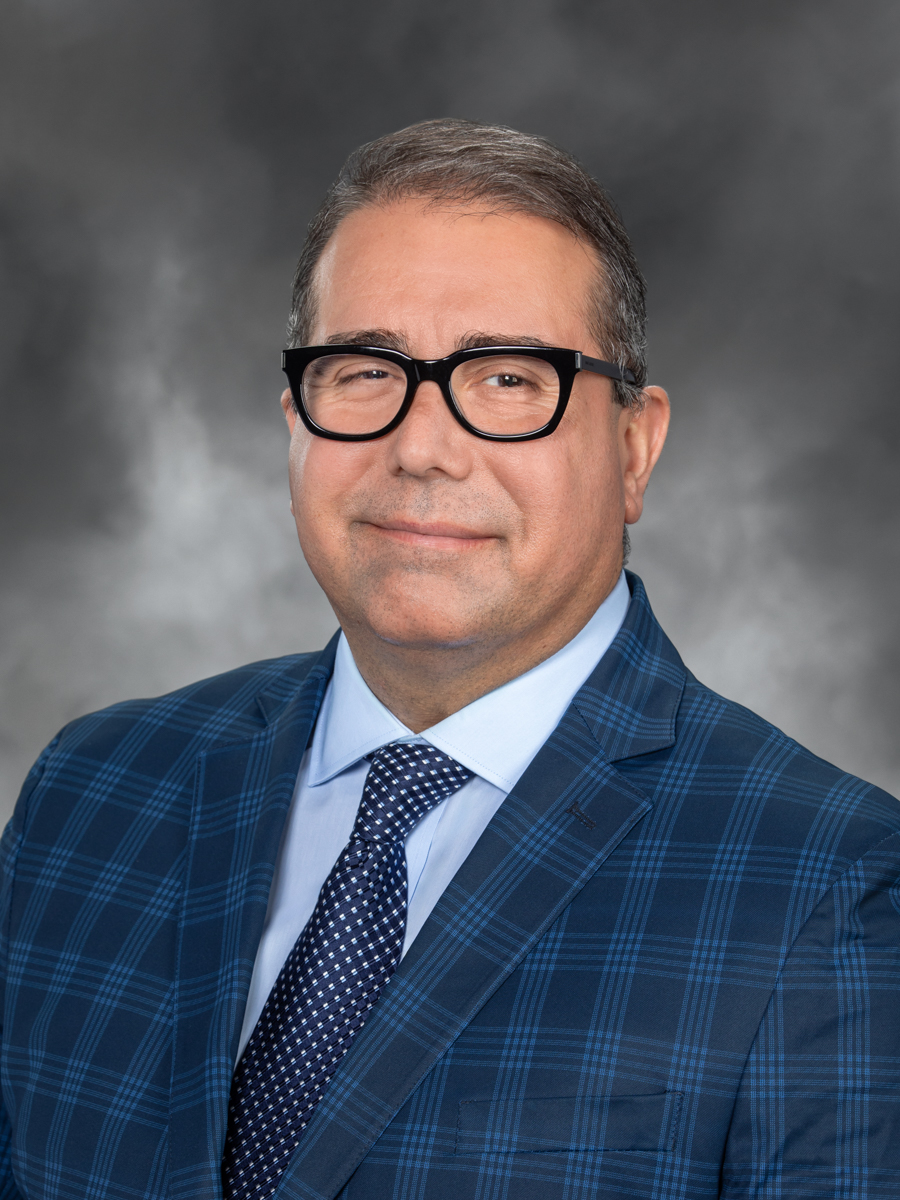
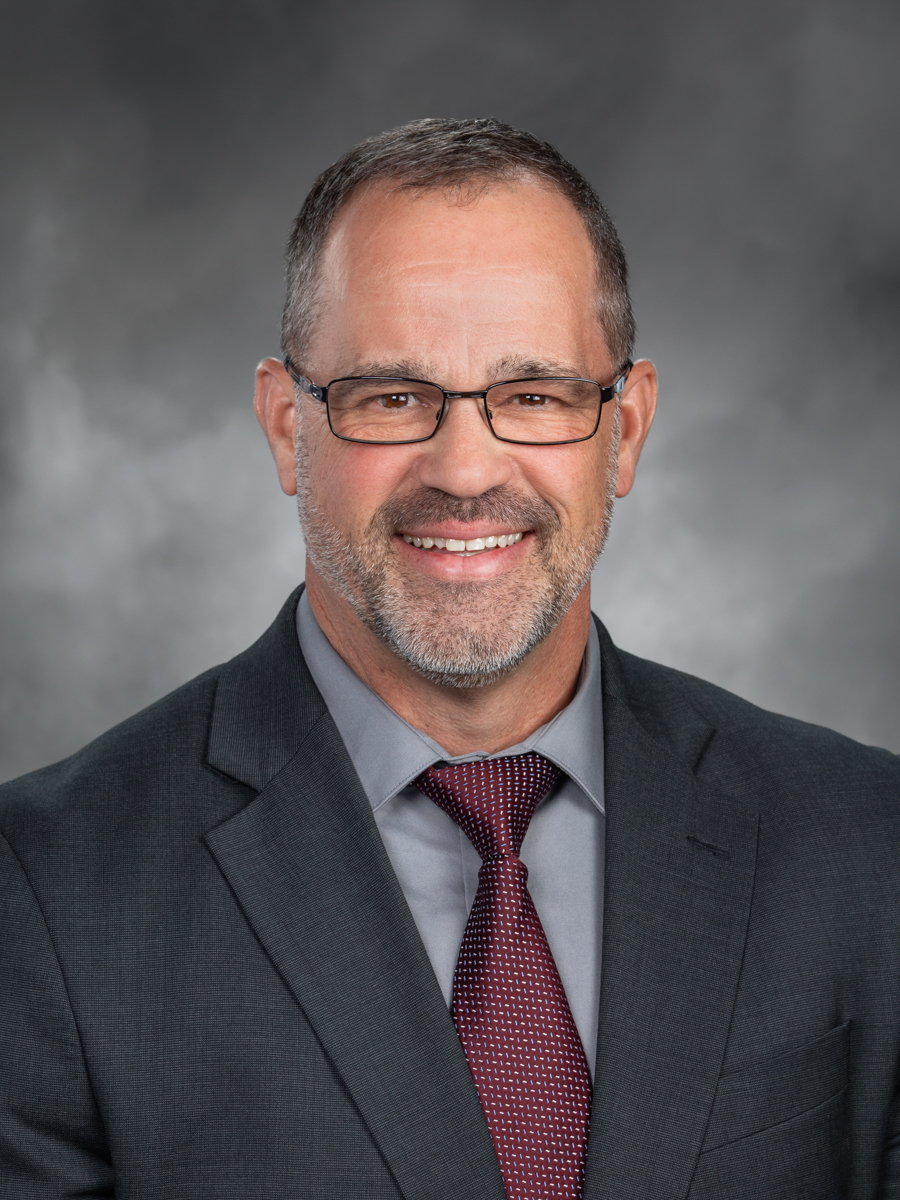
Andrew Engell
0% support rate
Ranked legislators
10
5 support · 5 oppose
Key legislators

Who's moving violent crime in Washington

Legislators moving violent crime in Washington
Legislator Party Stance Support rate Votes
Adrian Cortes
Adrian Cortes Senate · District 18
D
Strong +
100% 6
Julio Cortes
Julio Cortes House · District 38
D
Strong +
100% 6
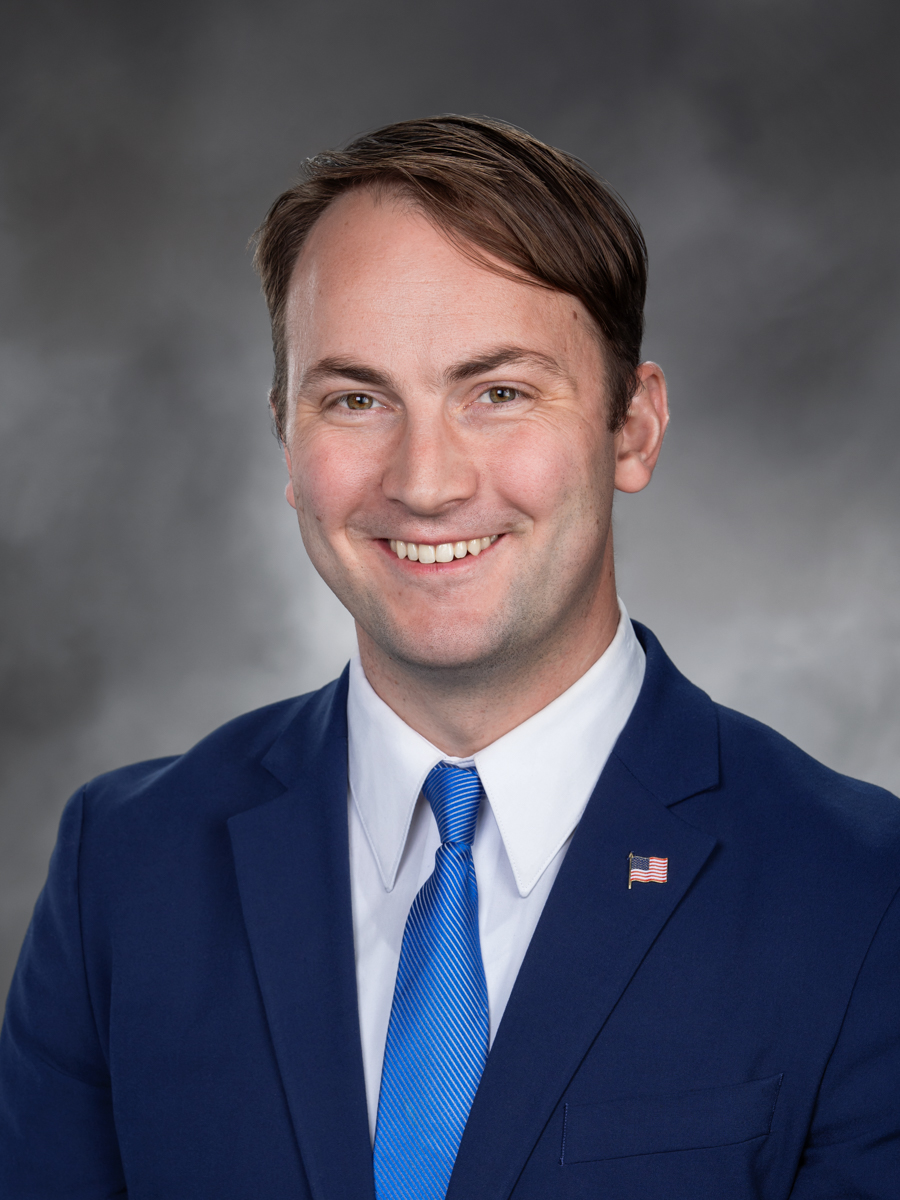
Adam Bernbaum
Adam Bernbaum House · District 24
D
Strong +
100% 4
Adison Richards
Adison Richards House · District 26
D
Strong +
100% 4
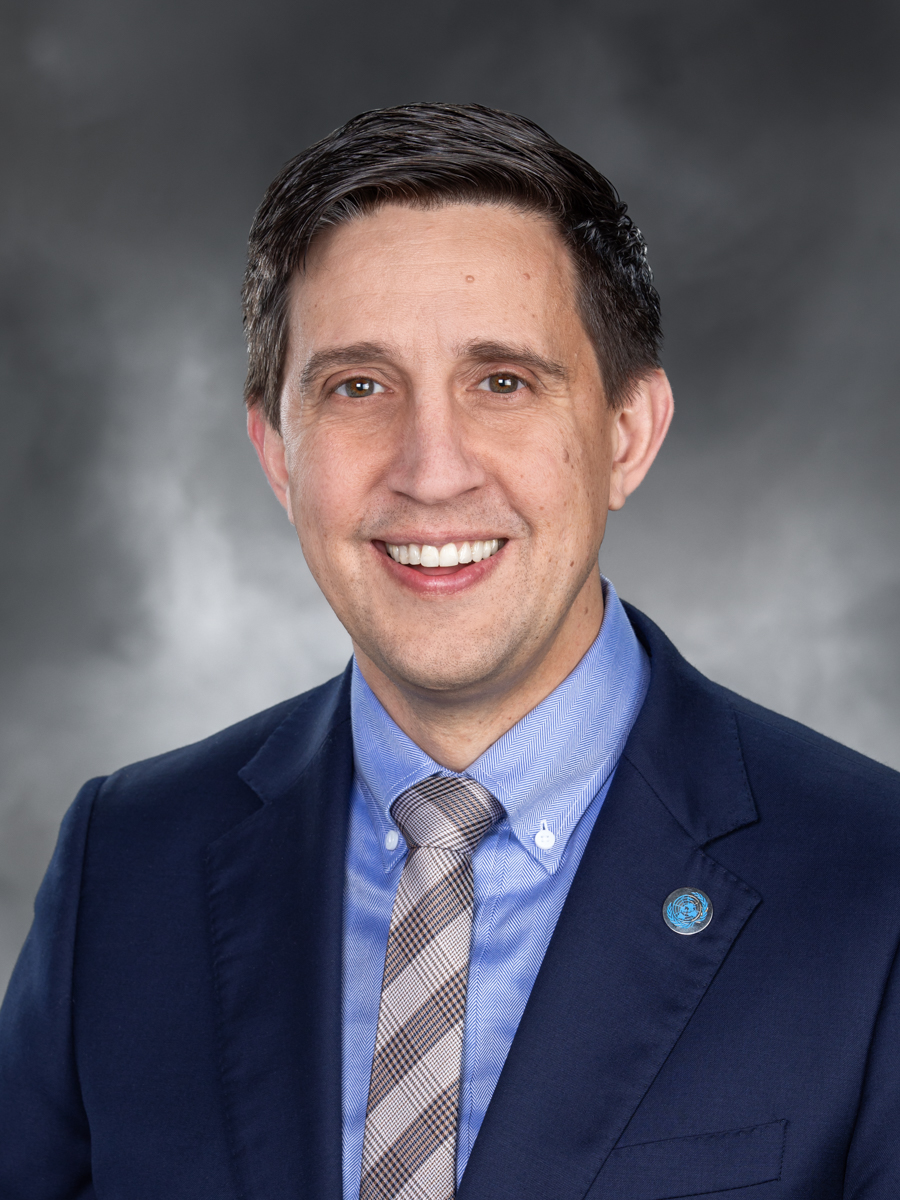
Alex Ramel
Alex Ramel House · District 40
D
Strong +
100% 4
Andrew Engell
Andrew Engell House · District 7
R
Strong −
0% 4
Brian Burnett
Brian Burnett House · District 12
R
Strong −
0% 4
Chris Corry
Chris Corry House · District 15
R
Strong −
0% 4
Dan Griffey
Dan Griffey House · District 35
R
Strong −
0% 4
Ed Orcutt
Ed Orcutt House · District 20
R
Strong −
0% 4
Showing 1–10 of 11 bills

All criminal justice bills

in committee · Washington · House Jan 19, 2026

HB 2576: Concerning the address confidentiality program.

HB 2576 amends Washington State's address confidentiality program to help victims of domestic violence, sexual assault, stalking, trafficking, and harassment (including election officials, criminal justice workers, and healthcare providers facing threats) keep their real home addresses private. It allows eligible individuals to use a substitute address designated by the Secretary of State instead of their actual address for all official purposes. State agencies must then accept this substitute address for correspondence and public records, preventing disclosure of the participant’s actual location to potential assailants. The bill updates definitions and eligibility criteria to expand protections while ensuring participants can safely access services like property ownership without public address disclosure.
in committee · Washington · House Jan 28, 2026

HB 2356: Concerning public records concerning homicide cases.

HB 2356 would allow homicide victims' next of kin (spouse, parents, siblings, or children, excluding perpetrators) to request a court block public access to related case records. The bill amends Washington's public records law (RCW 42.56.540) to give families a formal legal process - via court motion with affidavit - to seek confidentiality for homicide case documents. This directly affects families of homicide victims who wish to limit public disclosure of sensitive case details. The bill is currently prefiling (2026) and has not yet become law.
Sub-Topics Courts Violent Crime
signed · Washington · House May 12, 2025

HB 1052: Clarifying a hate crime offense.

House Bill 1052 clarifies the definition of a hate crime offense in Washington state, applying to individuals who commit malicious and intentional acts against others based on perceived protected characteristics. It specifies that assault, property damage, or threats made due to a person's perceived race, religion, gender, sexual orientation, or disability constitute a hate crime. The bill also outlines specific acts, such as burning a cross or defacing property with Nazi symbols, that can be used to infer intent to threaten a victim based on their perceived characteristics. Commission of a hate crime offense is established as a Class C felony.
signed · Washington · House May 12, 2025

HB 1395: Streamlining the home care worker background check process.

HB 1395 streamlines the background check process for home care workers, long-term care providers, and others working with vulnerable adults and children in Washington state. It prevents the Department of Social and Health Services (DSHS) from automatically disqualifying individuals for certain past criminal convictions, such as specific theft or assault charges, once a specified number of years have passed. However, DSHS or authorized entities can still consider these convictions during a "character, competence, and suitability review," and clients must be informed of an approved provider's background check results before services begin. The bill also allows some providers to work for up to 30 days while their review is pending, with client notification, and limits when new suitability reviews are required for previously cleared non-disqualifying issues.
Sub-Topics Firearms Violent Crime
in committee · Washington · Senate Jan 12, 2026

SB 5274: Concerning body worn cameras within corrections agencies.

SB 5274 establishes a pilot program requiring the Department of Children, Youth, and Families to implement body worn cameras at Green Hill School by January 2026. It expands authorized users of body worn cameras to include officers from the Department of Children, Youth, and Families, the Department of Corrections, and personnel at jails and detention facilities. The bill also adds specific exemptions preventing public disclosure of body worn camera recordings when they contain sensitive information, such as medical details, intimate images, or the identity of victims in domestic violence or sexual assault cases. These changes aim to balance transparency with privacy protections for vulnerable individuals.
in committee · Washington · Senate Jan 12, 2026

SB 5531: Streamlining the home care worker background check process.

SB 5531 streamlines background checks for home care workers by removing automatic disqualification for certain past convictions after specific time periods pass (e.g., cannabis sales after 3 years, theft after 10 years, or assault/robbery after 5 years). It directly affects home care workers, long-term care providers, and contracted agencies working with vulnerable adults or children. Key provisions include allowing temporary unsupervised access for up to 30 days during a character review while maintaining a requirement for written notice to guardians about pending reviews. The bill also clarifies that agencies may use discretion in reviewing past convictions, with a rebuttable presumption supporting their decisions.
in committee · Washington · Senate Jan 12, 2026

SB 5646: Concerning criminal penalties for assaulting outreach workers.

SB 5646 makes assaulting outreach workers while they perform official duties a class C felony. It specifically defines "outreach worker" as someone employed by or contracting with social service agencies or government organizations who provides services to vulnerable populations (like homeless individuals, runaway youth, or abuse victims) through needs assessments in settings such as homes, shelters, or encampments. The bill amends Washington’s assault laws (RCW 9A.36.031) to add this category, elevating penalties for such assaults. This change directly affects outreach workers and increases legal consequences for those who assault them during work.
Sub-Topics Violent Crime
signed · Washington · Senate Apr 22, 2025

SB 5356: Concerning training provided by the criminal justice training commission.

Senate Bill 5356 enhances training provided by the Criminal Justice Training Commission for criminal justice professionals and Title IX investigators. The bill mandates ongoing, specialized training for investigators, prosecutors, defenders, and higher education Title IX investigators on a victim-centered, trauma-informed approach to responding to and investigating sexual assault and gender-based violence. This training includes content on the neurobiology of trauma and trauma-informed interviewing and prosecution techniques. Additionally, it requires the commission to develop new curricula for peace officers on interacting with victims of sexual and gender-based violence, designed for in-agency deployment. These provisions aim to improve sensitivity and effectiveness in handling cases involving victims.
in committee · Washington · Senate Jan 12, 2026

SB 5285: Incentivizing cities and counties to increase employment of commissioned law enforcement officers.

SB 5285 would allow Washington cities and counties to impose a 0.10% sales tax to fund additional commissioned law enforcement officers. Jurisdictions must use the revenue solely for hiring officers unless their current officer-to-population ratio exceeds the national average (calculated using FBI Uniform Crime Reporting data), in which case funds can support broader criminal justice programs like domestic violence services or homelessness initiatives. The bill targets Washington's high violent crime rates and low officer staffing - ranking last in the nation for officers per capita - by creating a dedicated funding stream for local law enforcement expansion. It requires jurisdictions to report staffing data annually and mandates that tax revenue directly supports law enforcement employment.
in committee · Washington · House Jan 12, 2026

HB 1989: Concerning assaults committed against transit employees or contractors.

HB 1989 amends Washington State law to make assaults against transit employees a class C felony. The bill specifically targets assaults occurring while transit workers - such as operators, drivers, supervisors, mechanics, or security personnel - perform their official duties for public or private transit companies. This expands existing assault penalties to include these workers, increasing the offense level from a gross misdemeanor to a felony. The law applies directly to anyone committing such assaults, with no mention of exceptions or additional requirements beyond the worker's duty status.
Showing 1 to 10 of 11 bills
1 2 Next