

Issue · Budget & Taxes
Budget & Taxes (Audits & Accountability)
Every budget & taxes bill, vote, and legislator stance in Washington, automatically classified by Maddy, our AI policy reader.
Total bills
24
2025-2026 Regular Session
Top supporter
Gloria Mendoza
72% support rate
Top opponent
Zach Hall
12% support rate
Ranked legislators
10
5 support · 5 oppose
Key legislators
Who's moving audits & accountability in Washington
| Legislator | Party | Stance | Support rate | Votes |
|---|---|---|---|---|
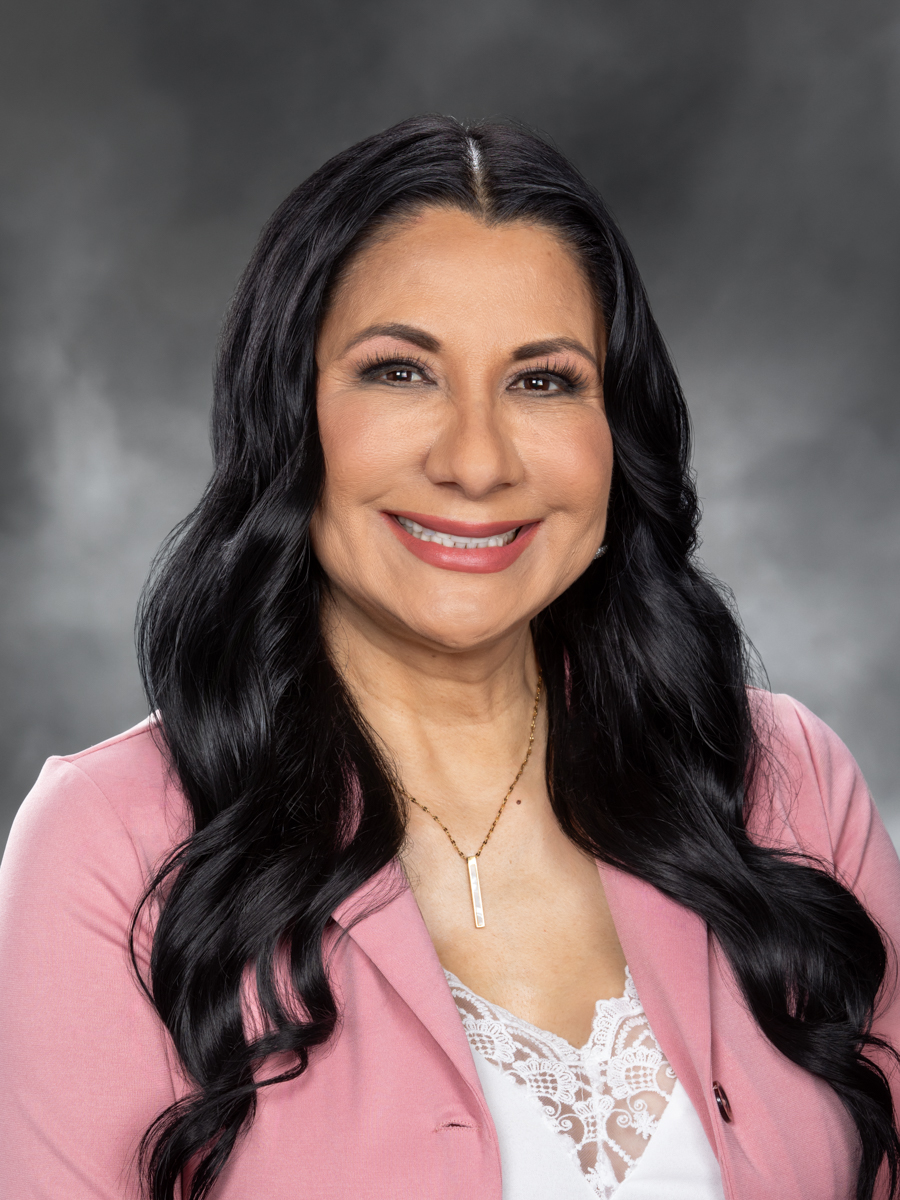
Gloria Mendoza
House · District 14
|
R |
Support
|
72% | 25 |
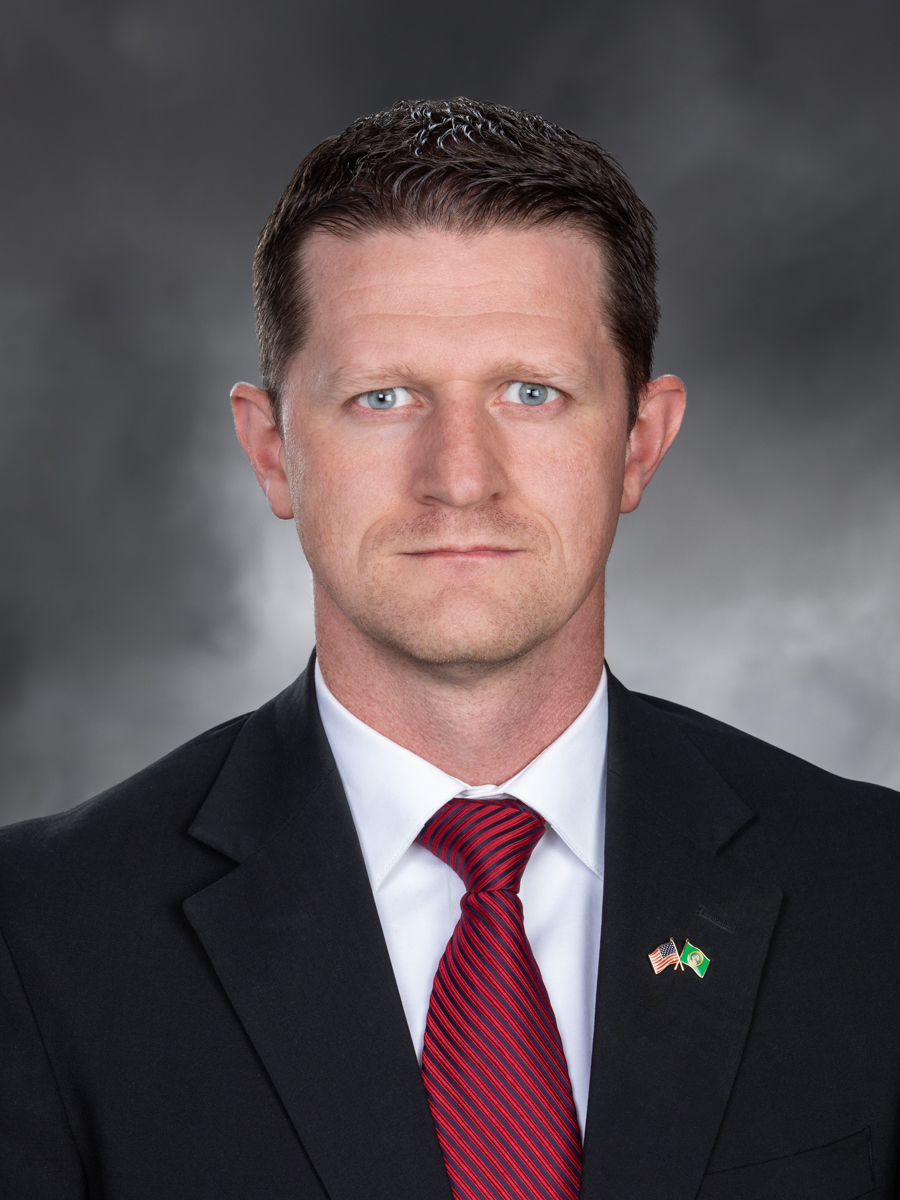
Joel McEntire
House · District 19
|
R |
Support
|
72% | 25 |
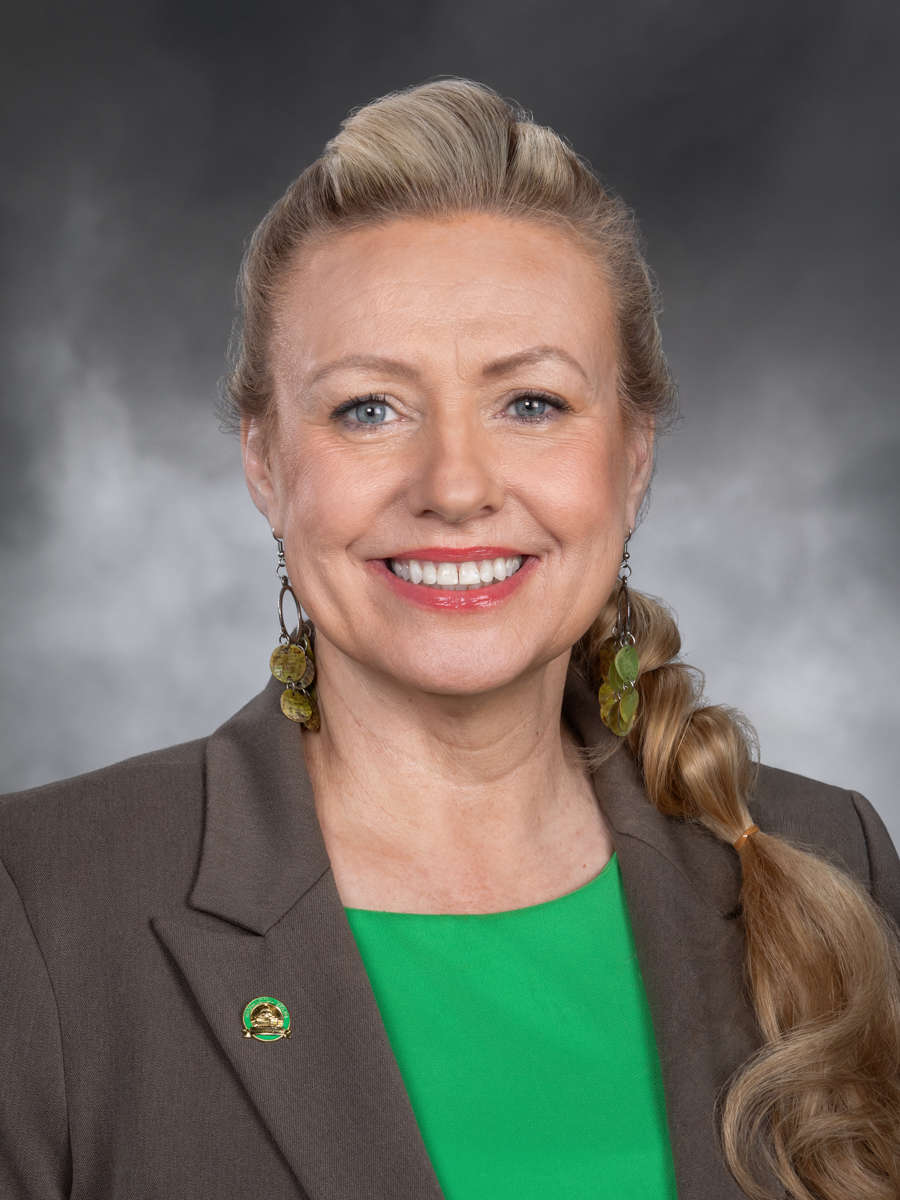
Jenny Graham
House · District 6
|
R |
Support
|
71% | 24 |
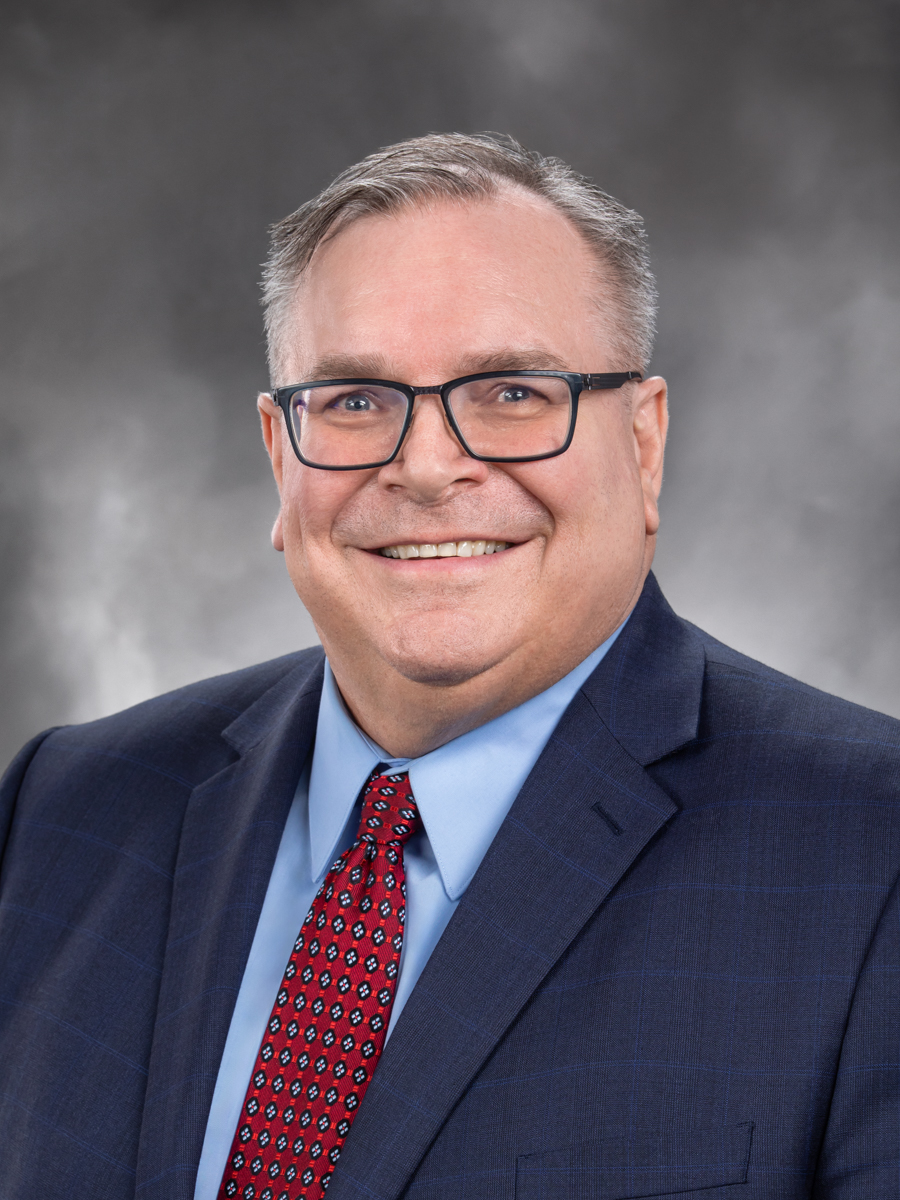
Mike Volz
House · District 6
|
R |
Support
|
71% | 24 |
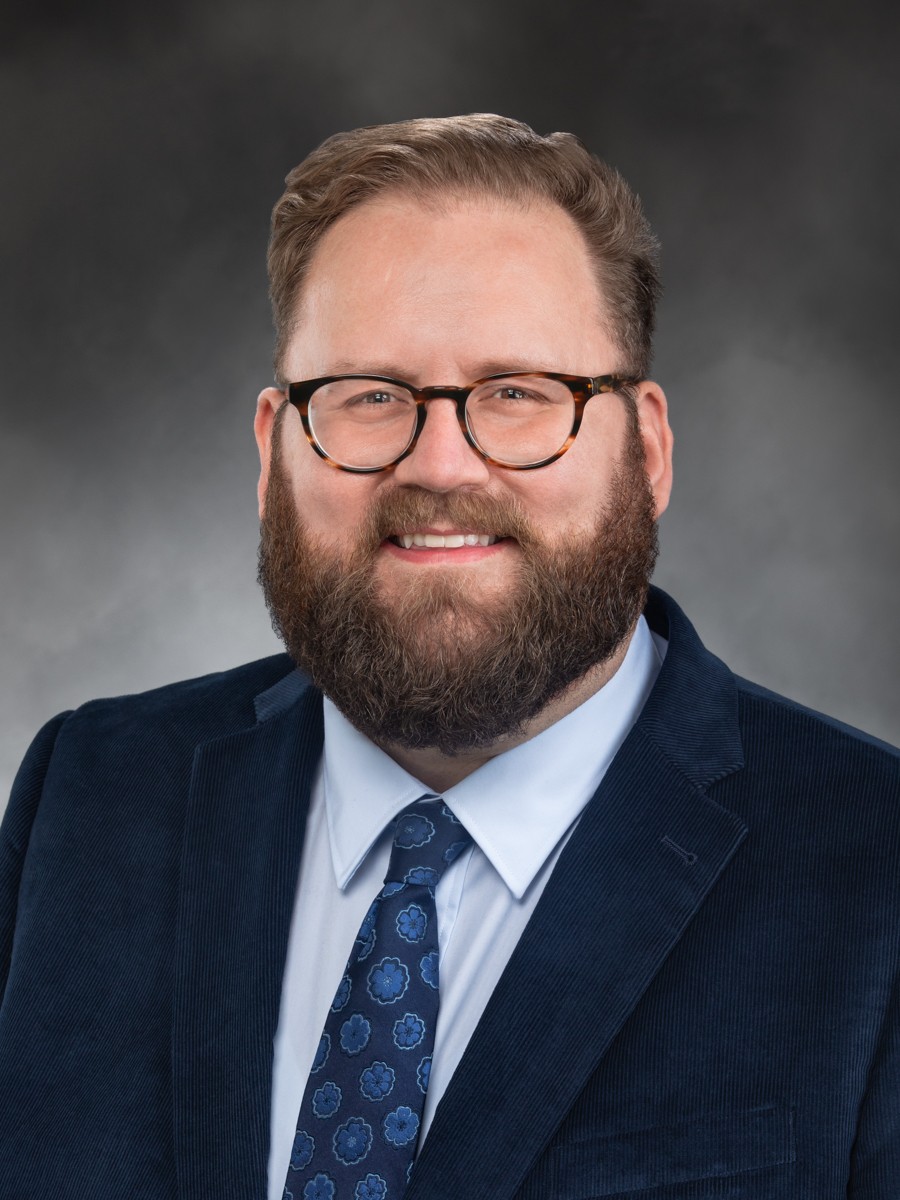
Marko Liias
Senate · District 21
|
D |
Support
|
70% | 10 |

Zach Hall
House · District 5
|
D |
Strong −
|
12% | 16 |
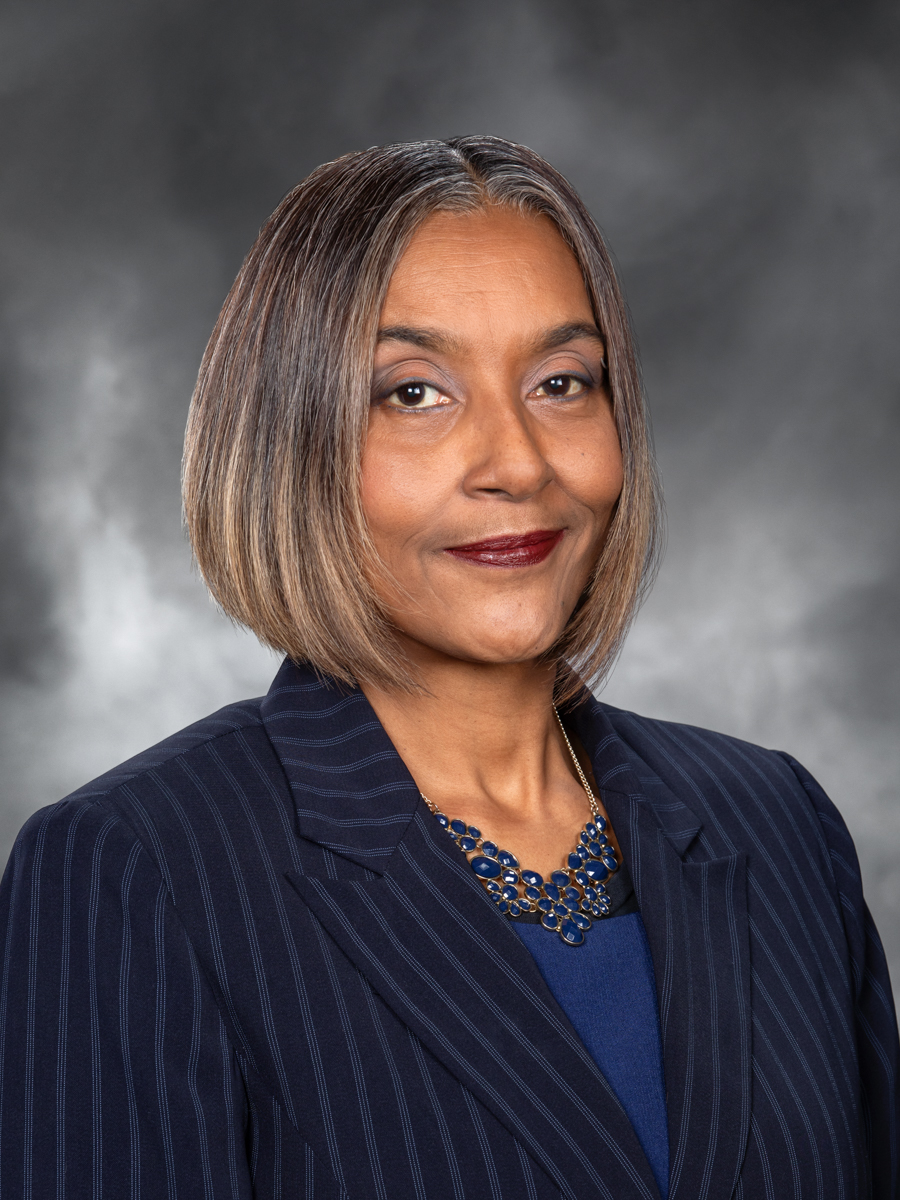
Melanie Morgan
House · District 29
|
D |
Oppose
|
22% | 23 |
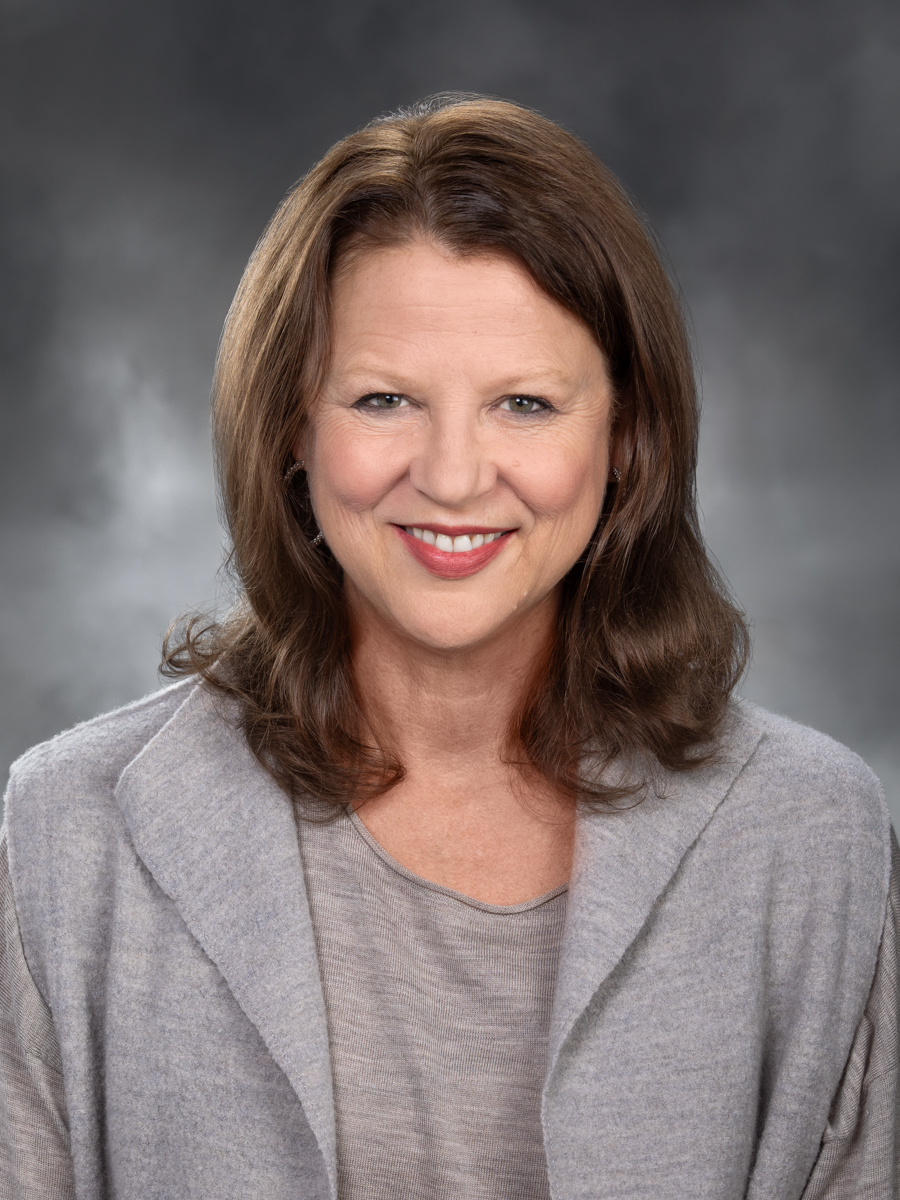
Amy Walen
House · District 48
|
D |
Oppose
|
23% | 26 |

Shaun Scott
House · District 43
|
D |
Oppose
|
23% | 26 |
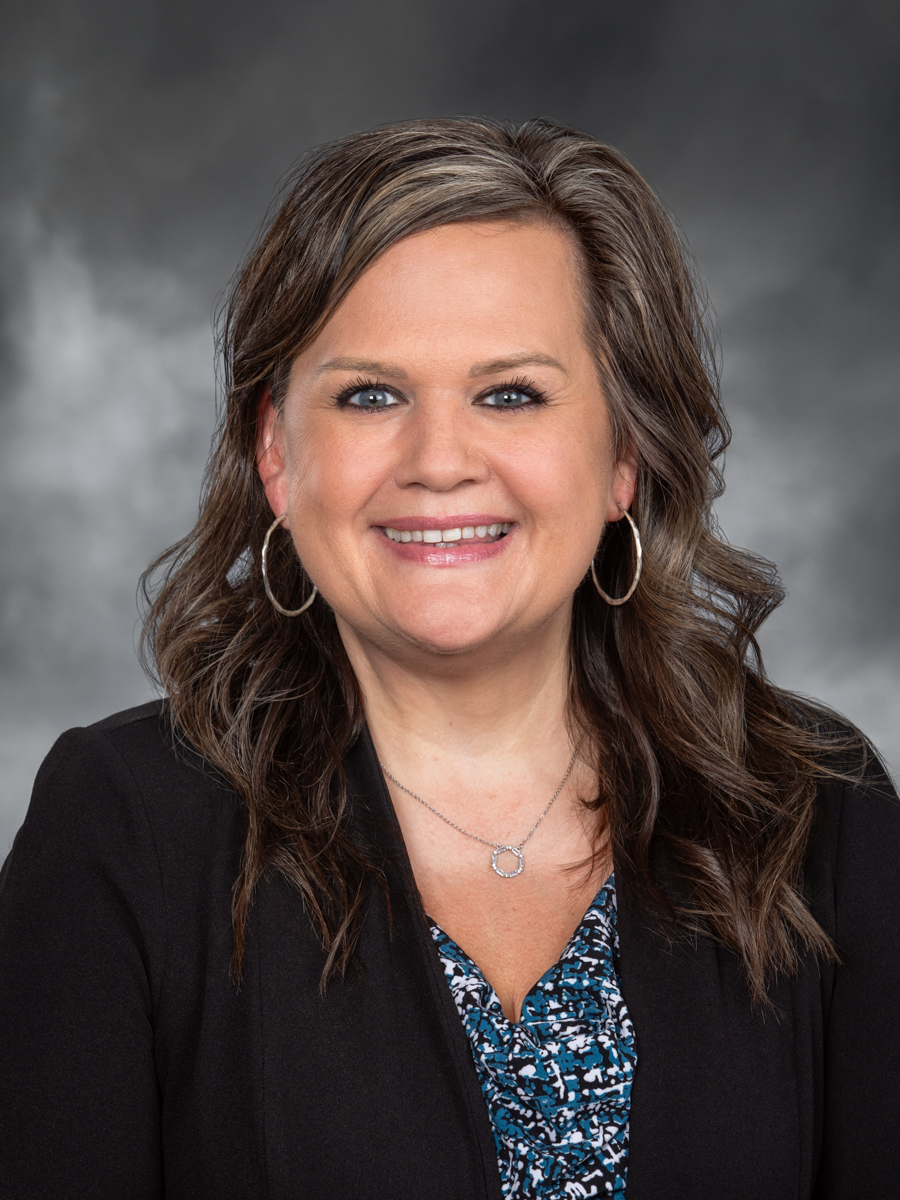
Tarra Simmons
House · District 23
|
D |
Oppose
|
28% | 25 |
Showing 21–24 of 24
bills
All budget & taxes bills
SB 5258: Implementing state auditor recommendations for reducing improper medicaid concurrent enrollment payments.
Topics
✓ Budget & TaxesSupports Budget & TaxesBill prevents duplicate Medicaid payments, reducing unnecessary state spending and promoting fiscal responsibility in budget management.
✓ HealthcareSupports HealthcarePrevents duplicate Medicaid payments, ensuring proper fund allocation for healthcare services without restricting coverage.
SB 5810: Making 2025-2027 fiscal biennium operating appropriations and 2023-2025 fiscal biennium second supplemental operating appropriations.
Topics
✓ Budget & TaxesSupports Budget & TaxesBill allocates $61.7M for House, $46.3M for Senate, and $14.1M for audit committee in 2025-2027 budget, advancing fiscal management and appropriations.
✓ Criminal JusticeSupports Criminal JusticeRequires audit of juvenile rehab programs focusing on staffing/safety, aligning with rehabilitation improvement indicators in criminal justice reform.
SB 5220: Modifying small works roster requirements for cities.
Topics
✗ Budget & TaxesOpposes Budget & TaxesBill imposes 10% budget cap on city employee work and project dollar limits, restricting spending flexibility within public works budgets.
✗ Labor & EmploymentOpposes Labor & EmploymentRestricts city employment in public works by limiting budget allocation to 10% and imposing project caps, reducing municipal worker opportunities.
Sub-Topics
Audits & Accountability