Issue · Environment

Environment (Conservation · Tribal Nations)

Every environment bill, vote, and legislator stance in Virginia, automatically classified by Maddy, our AI policy reader.

Total bills
4
2026 Regular Session
Top supporter
Aaron Rouse
100% support rate
Top opponent
Bryce Reeves
0% support rate
Ranked legislators
10
5 support · 5 oppose
Key legislators

Who's moving conservation · tribal nations in Virginia

Legislators moving conservation in Virginia
Legislator Party Stance Support rate Votes
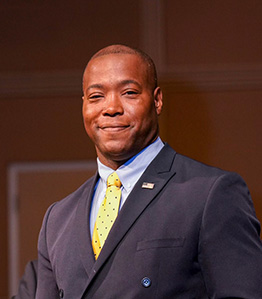
Aaron Rouse
Aaron Rouse Senate · District 22
D
Strong +
100% 3
Barbara Favola
Barbara Favola Senate · District 40
D
Strong +
100% 3
Creigh Deeds
Creigh Deeds Senate · District 11
D
Strong +
100% 3
Jennifer Boysko
Jennifer Boysko Senate · District 38
D
Strong +
100% 3
Jeremy McPike
Jeremy McPike Senate · District 29
D
Strong +
100% 3
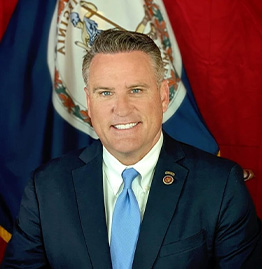
Bryce Reeves
Bryce Reeves Senate · District 28
R
Strong −
0% 3
Mark Obenshain
Mark Obenshain Senate · District 2
R
Strong −
0% 3
Richard Stuart
Richard Stuart Senate · District 25
R
Strong −
0% 3
Ryan McDougle
Ryan McDougle Senate · District 26
R
Strong −
0% 3
Todd Pillion
Todd Pillion Senate · District 6
R
Strong −
0% 3
Showing 4 of 4 bills

All environment bills

passed · Virginia · House of Delegates Mar 4, 2026

HB 134: Virginia Conservation Easement Act; definition of federally recognized tribe.

Virginia Conservation Easement Act; definitions; federally recognized tribes. Provides that a federally recognized tribe, as defined in the bill, can be a conservation easement holder and that such a tribe is not bound by the same restrictions on the location of a principal office or the duration of existence that are placed on other types of easement holders. This bill is a recommendation of the Commission on Updating Virginia Law to Reflect Federal Recognition of Virginia Tribes.
Sub-Topics Conservation Tags Tribal Nations
in committee · Virginia · Senate Feb 12, 2026

SB 353: Consultation with federally recognized tribes; permits and reviews, etc.

Consultation with federally recognized tribes; permits and reviews with potential impacts on environmental, cultural, and historic resources. Adds to the duties of the Ombudsman for Tribal Consultation requirements to (i) facilitate communication between federally recognized tribes and relevant state agencies and local governments to ensure an opportunity for meaningful and timely consultation on environmental, cultural, and historical permits and reviews; (ii) assist the Department of Transportation in developing consultation policies; (iii) make recommendations to the Governor on the basis of communications with federally recognized tribes about (a) circumstances under which tribal consent should be required for issuance of certain permits and (b) additional agencies that should develop policies and procedures to ensure meaningful, timely, and appropriate consultation with federally recognized tribes; (iv) provide training at least once a year to certain state agency personnel on issues of concern to the federally recognized tribes to support effective communication, collaboration, and positive government-to-government relations between the Commonwealth and the federally recognized tribes; and (v) submit an annual report to the Secretary of the Commonwealth on the activities undertaken to implement such provisions and the issues that have arisen in that pursuit. The bill also requires the Department of Conservation and Recreation, Department of Environmental Quality, Department of Historic Resources, Department of Transportation, and Marine Resources Commission to engage in consultation with federally recognized tribes on certain issues. During such consultation, the burden is on the agency to show that it has made a good faith effort to elicit meaningful and timely feedback, including formal communication between agency employees and the federally recognized tribe. When a burial permit will result in the disturbance of a burial site of an individual that has a cultural affiliation with a particular federally recognized tribe, the bill requires the Department of Historic Resources to acquire the consent of such federally recognized tribe before issuing a permit for the archaeological excavation of human remains. This bill is a recommendation of the Commission on Updating Virginia Law to Reflect Federal Recognition of Virginia Tribes.
Sub-Topics Conservation Tags Tribal Nations
in committee · Virginia · House of Delegates Feb 18, 2026

HB 367: Consultation with federally recognized tribes; permits and reviews, etc.

Consultation with federally recognized tribes; permits and reviews with potential impacts on environmental, cultural, and historic resources. Adds to the duties of the Ombudsman for Tribal Consultation requirements to (i) facilitate communication between federally recognized tribes and relevant state agencies and local governments to ensure an opportunity for meaningful and timely consultation on environmental, cultural, and historical permits and reviews; (ii) assist the Department of Transportation in developing consultation policies; (iii) make recommendations to the Governor on the basis of communications with federally recognized tribes about (a) circumstances under which tribal consent should be required for issuance of certain permits and (b) additional agencies that should develop policies and procedures to ensure meaningful, timely, and appropriate consultation with federally recognized tribes; (iv) provide training at least once a year to certain state agency personnel on issues of concern to the federally recognized tribes to support effective communication, collaboration, and positive government-to-government relations between the Commonwealth and the federally recognized tribes; and (v) submit an annual report to the Secretary of the Commonwealth on the activities undertaken to implement such provisions and the issues that have arisen in that pursuit. The bill also requires the Department of Conservation and Recreation, Department of Environmental Quality, Department of Historic Resources, Department of Transportation, and Marine Resources Commission to engage in consultation with federally recognized tribes on certain issues. During such consultation, the burden is on the agency to show that it has made a good faith effort to elicit meaningful and timely feedback, including formal communication between agency employees and the federally recognized tribe. When a burial permit will result in the disturbance of a burial site of an individual that has a cultural affiliation with a particular federally recognized tribe, the bill requires the Department of Historic Resources to acquire the consent of such federally recognized tribe before issuing a permit for the archaeological excavation of human remains. This bill is a recommendation of the Commission on Updating Virginia Law to Reflect Federal Recognition of Virginia Tribes.
Sub-Topics Conservation Tags Tribal Nations
in committee · Virginia · Senate Feb 10, 2026

SB 422: Virginia Conservation Easement Act; definition of federally recognized tribe.

Virginia Conservation Easement Act; definitions; federally recognized tribes. Provides that a federally recognized tribe, as defined in the bill, can be a conservation easement holder and that such a tribe is not bound by the same restrictions on the location of a principal office or the duration of existence that are placed on other types of easement holders. This bill is a recommendation of the Commission on Updating Virginia Law to Reflect Federal Recognition of Virginia Tribes.
Sub-Topics Conservation Tags Tribal Nations