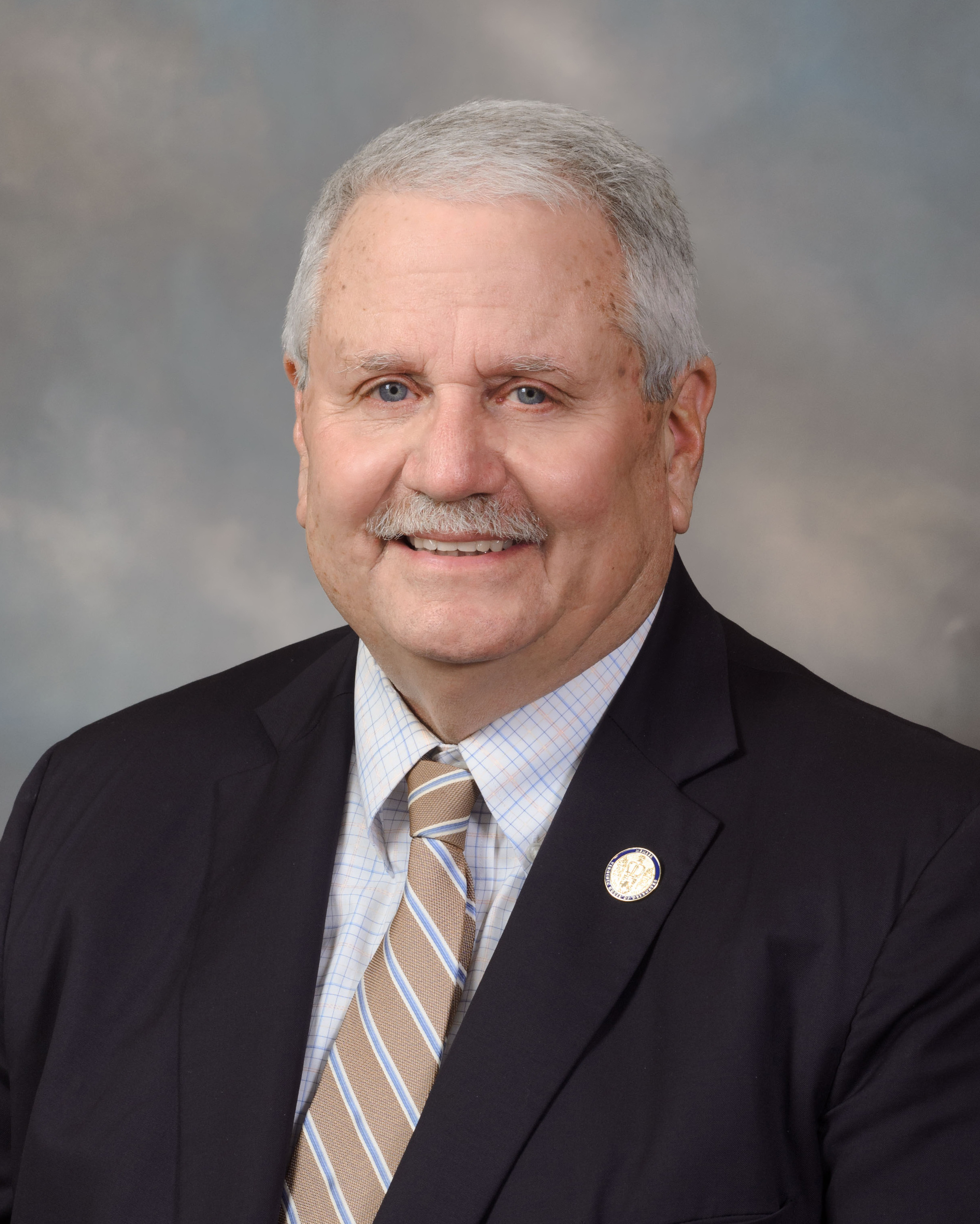
Key legislators
Who's moving waste management in Virginia
Showing 1 of 1
bills
All environment bills
Air Pollution Control Board regulations; small renewable energy projects; anaerobic digestion technology; report. Provides that for the purposes of a permit by rule for a small renewable energy project under existing law, a small renewable energy project includes an electrical generation facility in a locality in Planning District 8 with a rated capacity not exceeding 100 megawatts that generates electricity from biomass, energy from waste, or municipal solid waste and its dedicated associated interconnection facilities, provided that such facility is capable of processing the majority of its organic waste, including food waste and municipal sludge, with anaerobic digestion technology by January 1, 2030. The bill directs the Department of Environmental Quality, in coordination with relevant stakeholders, to (i) assess all practicable technologies available to waste-to-energy facilities to reduce carbon dioxide and methane emissions, (ii) assess technologies to create biomethane, and (iii) recommend any legislative changes necessary to create market conditions to ensure the viability of such program. The bill also directs the Department to report its findings to the Air Pollution Control Board by December 1, 2026.