Issue · Criminal Justice

Criminal Justice (Probation & Parole)

Every criminal justice bill, vote, and legislator stance in Virginia, automatically classified by Maddy, our AI policy reader.

Total bills
27
2026 Regular Session
Top supporter
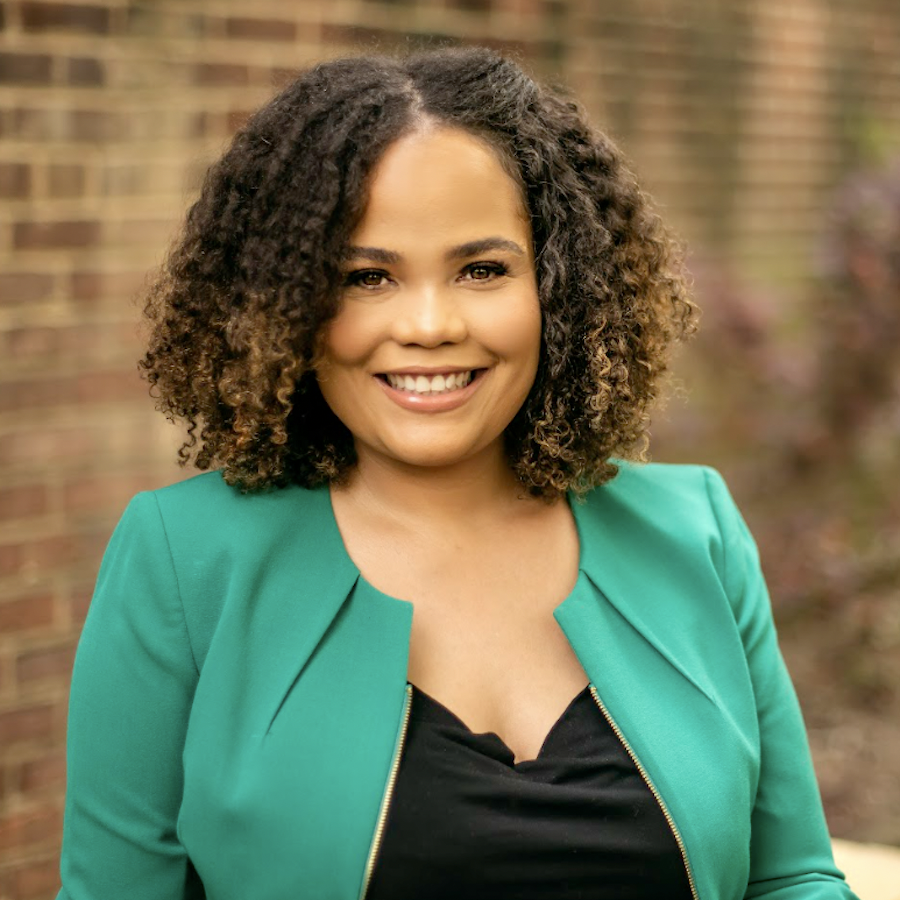
Rae Cousins
100% support rate
Top opponent
Chris Runion
0% support rate
Ranked legislators
10
5 support · 5 oppose
Key legislators

Who's moving probation & parole in Virginia

Legislators moving probation & parole in Virginia
Legislator Party Stance Support rate Votes
Rae Cousins
Rae Cousins House · District 79
D
Strong +
100% 48
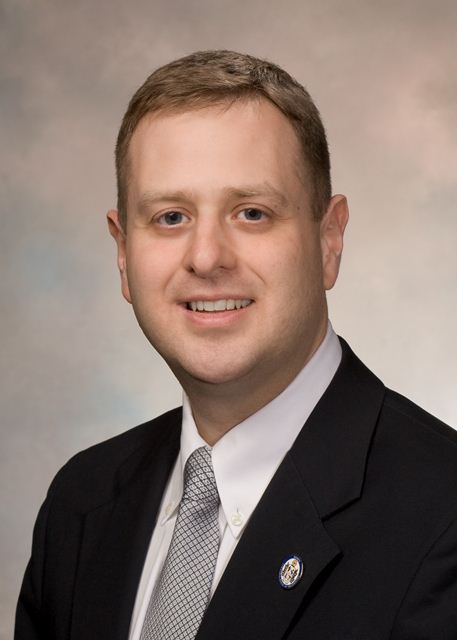
Patrick Hope
Patrick Hope House · District 1
D
Strong +
100% 42
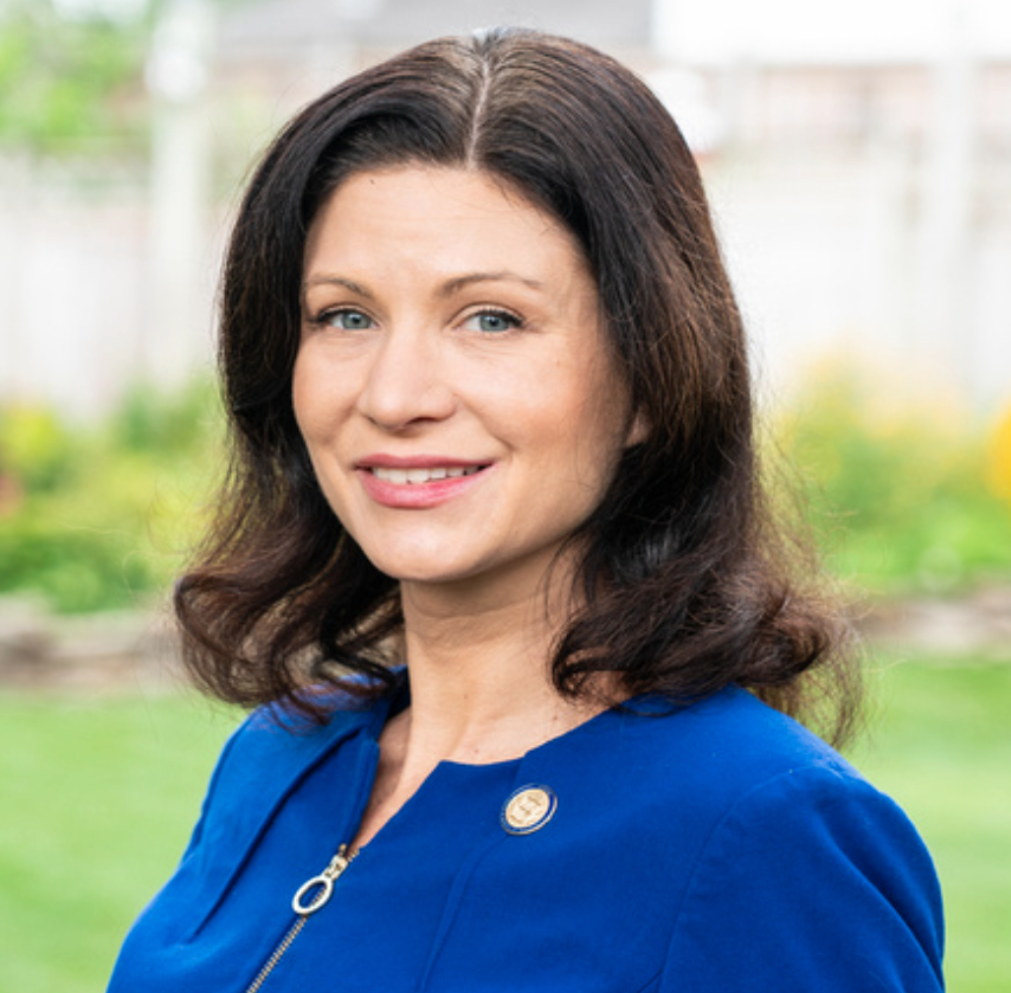
Karrie Delaney
Karrie Delaney House · District 9
D
Strong +
100% 40
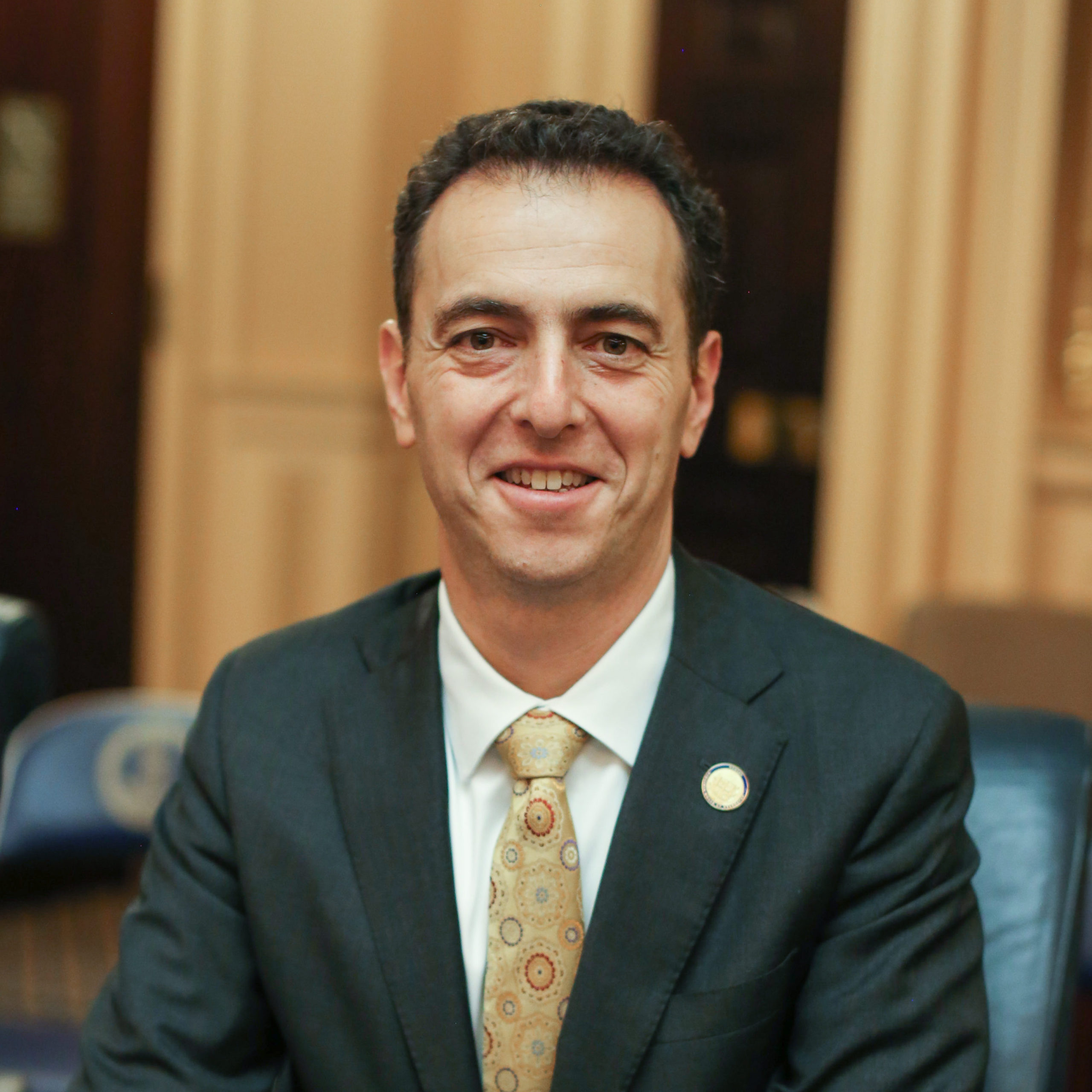
Marcus Simon
Marcus Simon House · District 13
D
Strong +
100% 40
Phil Hernandez
Phil Hernandez House · District 94
D
Strong +
100% 40
Chris Runion
Chris Runion House · District 35
R
Strong −
0% 24
Phil Scott
Phil Scott House · District 63
R
Strong −
0% 24
Tommy Wright
Tommy Wright House · District 50
R
Strong −
0% 24
Tom Garrett
Tom Garrett House · District 56
R
Strong −
0% 22
Jay Leftwich
Jay Leftwich House · District 90
R
Strong −
3% 33
Showing 1–10 of 27 bills

All criminal justice bills

passed · Virginia · House of Delegates Mar 4, 2026

HB 1280: State correctional facilities; participation of prisoners in employment & education program, report.

State correctional facilities; participation of prisoners in employment and educational programs; reentry planning. Expands the program assignments in which the Director of the Department of Corrections may place a prisoner while such prisoner is confined in a state correctional facility. The bill requires the Director to place a prisoner in an appropriate program assignment within (i) 90 days of the arrival of a prisoner sentenced to a new term of confinement to a state correctional facility or (ii) 60 days of a prisoner already in custody being transferred to a new state correctional facility and provides that participation in such program assignments shall be for an average of 30 hours per week, calculated individually across the calendar year. Finally, the bill expands upon the requirements for a prisoner's reentry plan, including requiring an assessment, if necessary, of a prisoner's readiness to take a high school equivalency test and any modifications needed for the prisoner to take or improve upon such test, and making available peer and group educational programs developed and led by qualified prisoners.
in committee · Virginia · Senate Jan 30, 2026

SB 222: Juvenile offenders; expands eligibility for parole.

Parole; eligibility; youthful offenders. Expands the eligibility requirements for juvenile parole to include (i) any person sentenced to a term of life imprisonment for a single felony offense or multiple felony offenses committed while that person was 20 years of age or younger and who has served at least 20 years of such sentence and (ii) any person who has active sentences that total more than 20 years for a single felony offense or multiple felony offenses committed while that person was 20 years of age or younger and who has served at least 20 years of such sentence. Under current law, only a person who was a juvenile when he committed any such offense is eligible for juvenile parole.
signed · Virginia · House of Delegates Apr 8, 2026

HB 193: Parole; exception to limitation on the application of parole statutes.

Parole; exception to limitation on the application of parole statutes. Provides that a person is eligible to be considered for parole if such person (i) was sentenced by a jury after the date of the Supreme Court of Virginia decision in Fishback v. Commonwealth, 260 Va. 104 (2000), in which the Supreme Court held that a jury should be instructed on the fact that parole has been abolished, for a felony committed on or after the abolition of parole going into effect on January 1, 1995; (ii) can prove by the preponderance of the evidence that the jury in his case was not instructed on the fact that parole has been abolished; and (iii) remained incarcerated for the offense on July 1, 2026, and the offense was not one of the following: (a) a Class 1 felony; (b) if the victim was a minor, rape, forcible sodomy, object sexual penetration, or aggravated sexual battery or an attempt to commit any such act; or (c) carnal knowledge. The bill also requires the Parole Board to establish procedures for consideration of parole of persons entitled to it and also provides that any person who is eligible for parole as of July 1, 2026, shall be scheduled for a parole interview no later than July 1, 2027, allowing for extension of time for reasonable cause.
in committee · Virginia · House of Delegates Feb 6, 2026

HB 1246: State correctional facilities; visitation privileges, Visitation Enhancement Program established.

State correctional facilities; visitation privileges; Visitation Enhancement Program established. Establishes the Visitation Enhancement Program (the Program) and requires all state correctional facilities to participate in the Program and provide visitation privileges to inmates in accordance with the standards specified in the bill. The bill provides that all inmates in state correctional facilities shall be classified within one of three phases of the Program, which shall be based on the class level at which the inmate earns good time such as good conduct time, good conduct allowances, or earned sentence credits. The bill specifies certain enhanced visitation privileges permitted for each of the three phases of the Program. The bill also requires visitors be permitted to visit an inmate for at least two hours prior to a visit being terminated due to capacity issues and provides that if the visitation area is at maximum capacity, state correctional facility staff shall ask visitors, on a voluntary basis, to end their visit. The bill states that if a sufficient number of visitors fail to volunteer, staff shall terminate visits, beginning with the first visitors processed, until the required seating or space is available for incoming visitors.
vetoed · Virginia · House of Delegates Apr 11, 2026

HB 318: Virginia Parole Board; powers and duties, juvenile offenders, parole procedures and considerations.

Virginia Parole Board; powers and duties; juvenile offenders; parole procedures and considerations. Increases the members of the Virginia Parole Board (the Board) from up to five to at least 11 members, five of whom shall be appointed by the Governor within 60 days of inauguration, three of whom shall be appointed by the Speaker of the House of Delegates within 60 days of a new House being sworn in during a Senate election year, and three of whom shall be appointed by the Chair of the Senate Committee on Rules within 60 days of a new Senate being sworn in after an election, and all of whom shall be subject to confirmation by the General Assembly, if in session when such appointment is made, and if not in session, then at its next succeeding session. The bill specifies that all members of the Board shall have significant professional experience working in criminal law, corrections, reentry and community services, or victim services and that the Board members appointed by the Governor shall include (i) an attorney with significant experience in criminal prosecution; (ii) an attorney with significant experience in criminal defense; (iii) a qualified mental health professional with relevant background in adolescent development, trauma responses, psychology, and decision-making; and (iv) a representative of a crime victims organization or a victim of crime. These provisions of the bill have a delayed effective date of July 1, 2028.The bill also requires the Board to provide a meaningful opportunity for release to certain juvenile offenders eligible for parole and specifies various factors the Board shall give substantial weight to when making a determination on whether to grant parole to such juvenile offender. The bill allows a juvenile offender to request for reconsideration or appeal of a decision by the Board not to grant parole based on (a) the Board's failure to give substantial weight to such juvenile offender's age and its related mitigating circumstances as required by the bill or (b) the Board's overreliance on static factors such as the nature and circumstances of the offense and failure to ground its decision in evidence of maturity, rehabilitation, and a lack of present danger to public safety. The bill requires the Board to provide individualized reasons for the grant or denial of parole upon reconsideration or appeal.The bill also requires that if parole is denied for any such juvenile offender, each Board member shall identify his reasoning for such decision at the time such member's vote is cast, including any youth-related factor and evidence of maturity and rehabilitation that was considered. The bill requires that the Board provide to such prisoner for whom parole is denied recommendations to demonstrate commitment to rehabilitation and at the next hearing, the Board is required to consider whether the prisoner has followed such recommendations. The bill also requires the Board to annually review the cases of such juvenile offenders eligible for parole. This bill is identical to SB 60.
passed · Virginia · House of Delegates Mar 3, 2026

HB 852: Indigent defendant; abolition of fees, legal representation, jury trial costs, report.

Abolition of fees; legal representation of indigent defendant; jury trial costs; report. Eliminates the fees for the cost of court-appointed counsel or public defender representation for persons who are determined to be indigent. The bill also eliminates fees for persons who utilize a jury trial. The bill contains a reenactment clause for such elimination of fees.The bill also directs the Indigent Defense Commission, in consultation with the Executive Secretary of the Supreme Court or his designee, to convene a work group with all relevant stakeholders, including the Attorney General or his designee, the Secretary of Health and Human Resources or his designee; representatives from the Compensation Board, the Virginia Crime Commission, the Virginia Joint Legislative Audit and Review Commission, the Virginia Court Clerk's Association, the Virginia Association of Commonwealth's Attorneys, staff from the House Appropriations and the Senate Finance and Appropriations Committees, and the Virginia Probation and Parole Association; and a minimum of two criminal justice reform organizations working on fees and other financial assessments imposed in criminal prosecutions in Virginia; on several topics, including current collection practices, use of funds received as a result of such collections, and the burden of a fee assessment on indigent individuals. The bill requires the work group to submit an executive summary and report of its findings and recommendations to the Governor and the General Assembly by November 1, 2026, and a final report by November 1, 2027.
signed · Virginia · House of Delegates Apr 13, 2026

HB 361: Earned sentence credits; incarceration while awaiting trial or pending an appeal, effective date.

Earned sentence credits; incarceration while awaiting trial or pending an appeal. Provides that a person's eligibility for earned sentence credits includes any period of time actually spent in any state or local correctional facility, state hospital, or juvenile detention facility awaiting trial or pending an appeal that was deducted from such person's term of incarceration or detention. The bill provides that the provisions apply retroactively to any person who is confined in any state or local correctional facility on July 1, 2028. The bill has a delayed effective date of July 1, 2028.
signed · Virginia · House of Delegates Apr 6, 2026

HB 149: Probation; decreasing period.

Decreasing probation period. Establishes criteria for which a defendant's supervised probation period shall be reduced, including completing educational activities, maintaining employment, completing treatment, or obtaining housing. The bill provides that a court may decrease a defendant's probation period if warranted by the defendant's conduct upon receipt of a request from the Department of Corrections and requires the Department of Corrections to request termination of a defendant's supervised probation period after 12 months in certain situations. This bill is identical to SB 136.
signed · Virginia · House of Delegates Apr 13, 2026

HB 1140: Drug-related investigations; use of confidential informants.

Use of confidential informants in drug-related investigations. Directs the Department of Criminal Justice Services to establish a model policy for the use of confidential informants in drug-related investigations and to include in such model policy that (i) no individual currently on probation or pretrial may serve as a confidential informant without notice to his probation, pretrial services, or parole officer; (ii) no individual who has, within the last six months, been found to have violated the terms of his probation or parole shall serve as a confidential informant whose testimony may be necessary in the prosecution of a criminal matter in the courts of the Commonwealth; (iii) law-enforcement personnel shall obtain approval from the appropriate local attorney for the Commonwealth prior to working with a confidential informant; and (iv) such confidential informant shall not unlawfully use or possess any controlled substances.
signed · Virginia · Senate Apr 8, 2026

SB 714: Local pretrial services officers; duties and responsibilities, defendant interviews, assessments.

Duties and responsibilities of local pretrial services officers; assessments. Requires a local pretrial services officer to conduct a risk assessment of defendants arrested on state and local warrants and who are detained in jails located in jurisdictions served by the local pretrial services agency while awaiting a hearing before any court that is considering or reconsidering bail, at initial appearance, advisement or arraignment, or at other subsequent hearings. Current law requires a local pretrial services officer to interview such defendants. The bill also provides that each local pretrial services officer may conduct defendant interviews as appropriate and when available resources permit.
Showing 1 to 10 of 27 bills
1 2 3 Next