Issue · Criminal Justice

Criminal Justice (Corrections)

Every criminal justice bill, vote, and legislator stance in Virginia, automatically classified by Maddy, our AI policy reader.

Total bills
9
2026 Regular Session
Top supporter
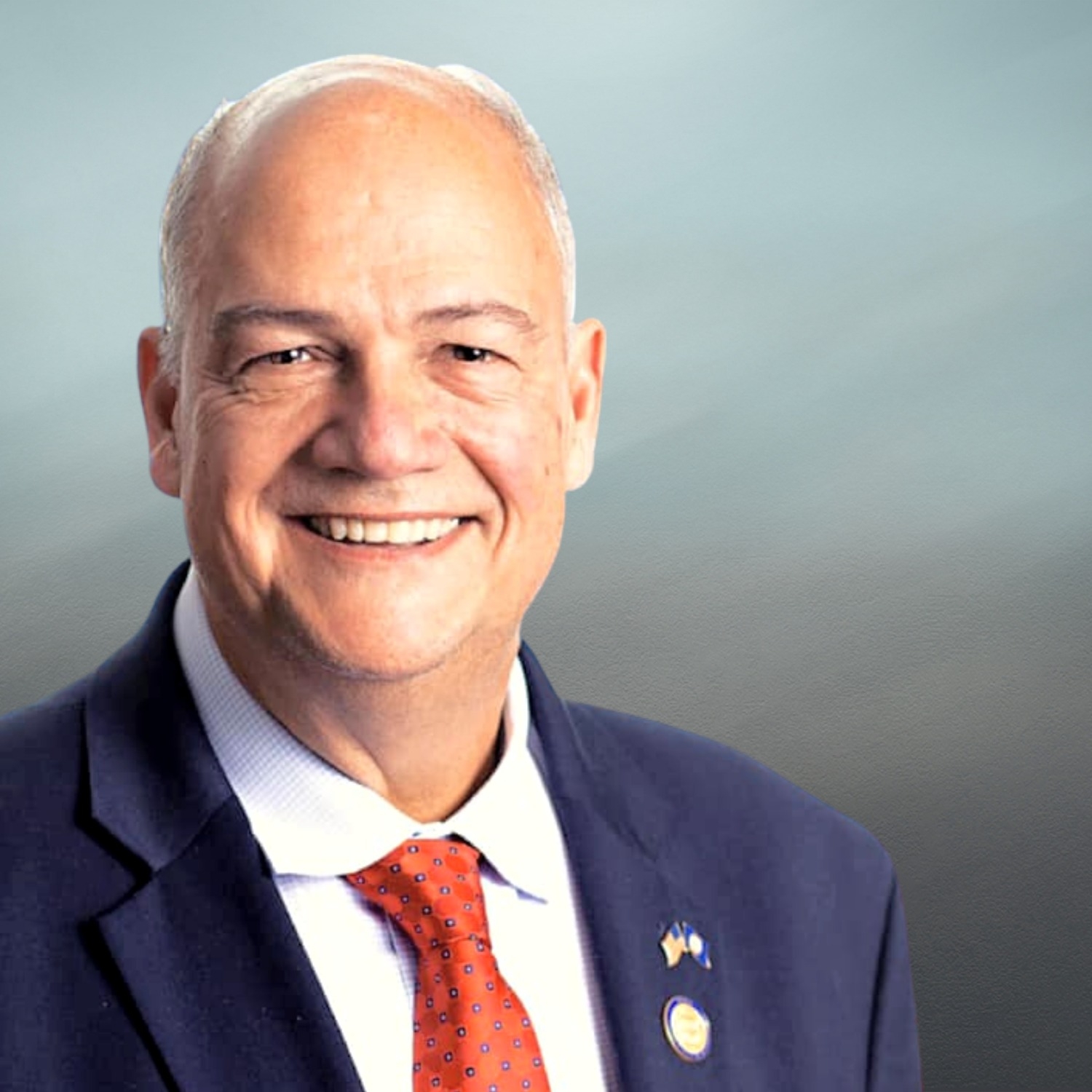
Kirk McPike
100% support rate
Top opponent
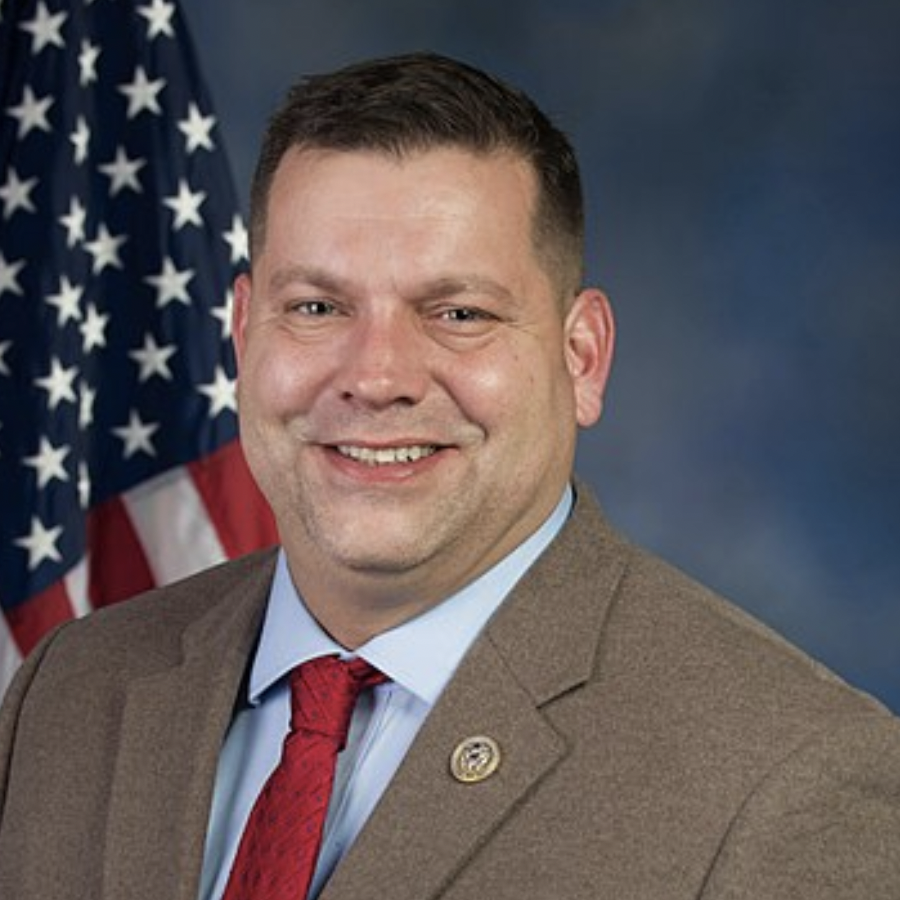
Tommy Wright
7% support rate
Ranked legislators
10
5 support · 5 oppose
Key legislators

Who's moving corrections in Virginia

Legislators moving corrections in Virginia
Legislator Party Stance Support rate Votes
Kirk McPike
Kirk McPike House · District 5
D
Strong +
100% 12
Patrick Hope
Patrick Hope House · District 1
D
Strong +
98% 41
Sam Rasoul
Sam Rasoul House · District 38
D
Strong +
98% 41
Garrett McGuire
Garrett McGuire House · District 17
D
Strong +
96% 28
Irene Shin
Irene Shin House · District 8
D
Strong +
96% 28
Tommy Wright
Tommy Wright House · District 50
R
Strong −
7% 29
Tom Garrett
Tom Garrett House · District 56
R
Strong −
7% 28
Mike Webert
Mike Webert House · District 61
R
Strong −
10% 40
Chris Runion
Chris Runion House · District 35
R
Strong −
10% 29
Tim Griffin
Tim Griffin House · District 53
R
Strong −
11% 28
Showing 9 of 9 bills

All criminal justice bills

signed · Virginia · House of Delegates Apr 13, 2026

HB 454: DCJS; removes requirement to develop model addiction recovery program.

Department of Criminal Justice Services; powers and duties; local and regional jails; repeal of model addiction recovery program. Removes the requirement that the Department of Criminal Justice Services, in consultation with the Department of Behavioral Health and Developmental Services, develop a model addiction recovery program that may be administered by sheriffs, deputy sheriffs, jail officers, administrators, or superintendents in any local or regional jail. This bill is a recommendation of the Joint Commission on Health Care and identical to SB 690.
died · Virginia · House of Delegates Feb 18, 2026

HB 102: Voluntary manslaughter; increases penalty.

Voluntary manslaughter; penalty. Increases the penalty for voluntary manslaughter from a Class 5 felony, punishable by between one and ten years' imprisonment in a state correctional facility, to an unclassified felony punishable by imprisonment in a state correctional facility for not less than one year nor more than 20 years or, in the discretion of the jury or court trying the case without a jury, by confinement in jail for a period not exceeding 12 months or a fine of not more than $2,500, either or both.
Sub-Topics Corrections Courts
died · Virginia · House of Delegates Feb 25, 2026

HB 295: Aggravated murder; adds correctional officers to definition, punishment.

Aggravated murder defined; correctional officers; punishment. Adds to the definition of aggravated murder, which is a Class 1 felony, the willful, deliberate, and premeditated killing of a correctional officer, defined in relevant law, when such killing is for the purpose of interfering with the performance of his official duties. The bill also provides that where the offender was 18 years of age or older at the time of the offense, the punishment shall be no less than a mandatory minimum term of confinement for life.
Sub-Topics Corrections Sentencing
in committee · Virginia · House of Delegates Feb 18, 2026

HB 1471: Aggravated murder; assault & battery of correctional officer, custodial employee of DOC, penalties.

Aggravated murder; assault and battery; correctional officer; custodial employee of Department of Corrections; penalties. Adds to the definition of aggravated murder, which is a Class 1 felony, the willful, deliberate, and premeditated killing of a correctional officer, defined in relevant law, when such killing is for the purpose of interfering with the performance of his official duties. The bill also expands the definition of aggravated murder to include the willful, deliberate, and premeditated killing of any person by a prisoner confined in a juvenile correctional facility, defined in relevant law. The bill provides that if any person maliciously causes bodily injury to another by any means, including the means set out in existing law, with intent to maim, disfigure, disable, or kill, and knowing or having reason to know that such other person is a correctional officer, as defined in relevant law, engaged in the performance of his public duties as a correctional officer, such person is guilty of a felony punishable by imprisonment for a period of not less than five years nor more than 30 years and, subject to existing law, a fine of not more than $100,000; upon conviction, the sentence of such person shall include a mandatory minimum term of imprisonment of two years. The bill also provides that if any person unlawfully, but not maliciously, with the intent aforesaid, causes bodily injury to another by any means, knowing or having reason to know such other person is a correctional officer engaged in the performance of his public duties as a correctional officer, he is guilty of a Class 6 felony, and upon conviction, the sentence of such person shall include a mandatory minimum term of imprisonment of one year. Lastly, the bill provides that if an assault and battery upon (i) a correctional officer; (ii) a person directly involved in the care, treatment, or supervision of inmates in the custody of the Department of Corrections; (iii) an employee of a local or regional correctional facility directly involved in the care, treatment, or supervision of inmates in the custody of the facility; or (iv) a person directly involved in the care, treatment, or supervision of persons in the custody of or under the supervision of the Department of Juvenile Justice involves the use of any bodily fluid or excrement from such person charged, the sentence of such person, upon conviction, shall include a mandatory minimum term of confinement of three years.
passed · Virginia · Senate Mar 10, 2026

SB 209: Geriatric prisoners; conditional release.

Conditional release of geriatric prisoners. Expands the list of offenses that prohibit a person from petitioning the Parole Board for conditional release as a geriatric prisoner.
signed · Virginia · Senate Apr 13, 2026

SB 690: DCJS; removes requirement to develop model addiction recovery program.

Department of Criminal Justice Services; powers and duties; local and regional jails; repeal of model addiction recovery program. Removes the requirement that the Department of Criminal Justice Services, in consultation with the Department of Behavioral Health and Developmental Services, develop a model addiction recovery program that may be administered by sheriffs, deputy sheriffs, jail officers, administrators, or superintendents in any local or regional jail. This bill is a recommendation of the Joint Commission on Health Care. This bill is identical to HB 454.
in committee · Virginia · House of Delegates Feb 18, 2026

HB 99: Felony eluding; mandatory minimum term in correctional facility.

Felony eluding; mandatory minimum. Imposes a one year mandatory minimum term of confinement in a state correctional facility for any person convicted of felony eluding if evidence is presented at sentencing that (i) the law-enforcement officer or responding law-enforcement agency used equipment, including spike strips or a law-enforcement vehicle, to forcibly stop such person's motor vehicle or (ii) such person's motor vehicle was used to intentionally damage a law-enforcement vehicle.
Sub-Topics Corrections Sentencing
passed both · Virginia · Senate Mar 31, 2026

SJ 2: Constitutional amendment (second reference); qualifications of voters and the right to vote; persons not entitled to vote.

Constitutional amendment (second reference); qualifications of voters and the right to vote; persons not entitled to vote. Provides that every person who meets the qualifications of voters set forth in the Constitution shall have the fundamental right to vote in the Commonwealth and that such right shall not be abridged by law, except for persons who have been convicted of a felony and persons who have been adjudicated to lack the capacity to understand the act of voting. A person who has been convicted of a felony shall not be entitled to vote during any period of incarceration for such felony conviction, but upon release from incarceration for that felony conviction and without further action required of him such person shall be invested with all political rights, including the right to vote. Currently, in order to be qualified to vote a person convicted of a felony must have his civil rights restored by the Governor or other appropriate authority. The amendment also provides that a person adjudicated by a court of competent jurisdiction as lacking the capacity to understand the act of voting shall not be entitled to vote during this period of incapacity until his capacity has been reestablished as prescribed by law. Currently, the Constitution provides that a person who has been adjudicated to be mentally incompetent is not qualified to vote until his competency is reestablished.
passed both · Virginia · House of Delegates Mar 31, 2026

HJ 2: Constitutional amendment (second reference); qualifications of voters and the right to vote; persons not entitled to vote.

Constitutional amendment (second reference); qualifications of voters and the right to vote; persons not entitled to vote. Provides that every person who meets the qualifications of voters set forth in the Constitution shall have the fundamental right to vote in the Commonwealth and that such right shall not be abridged by law, except for persons who have been convicted of a felony and persons who have been adjudicated to lack the capacity to understand the act of voting. A person who has been convicted of a felony shall not be entitled to vote during any period of incarceration for such felony conviction, but upon release from incarceration for that felony conviction and without further action required of him such person shall be invested with all political rights, including the right to vote. Currently, in order to be qualified to vote a person convicted of a felony must have his civil rights restored by the Governor or other appropriate authority. The amendment also provides that a person adjudicated by a court of competent jurisdiction as lacking the capacity to understand the act of voting shall not be entitled to vote during this period of incapacity until his capacity has been reestablished as prescribed by law. Currently, the Constitution provides that a person who has been adjudicated to be mentally incompetent is not qualified to vote until his competency is reestablished.