Issue · Healthcare

Healthcare

Every healthcare bill, vote, and legislator stance in Vermont, automatically classified by Maddy, our AI policy reader.

Total bills
214
2025-2026 Regular Session
Top supporter
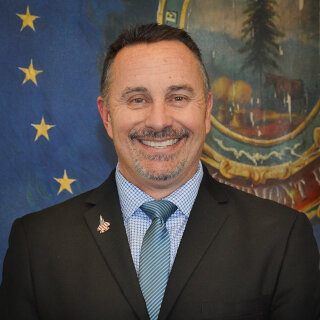
Tony Micklus
83% support rate
Top opponent
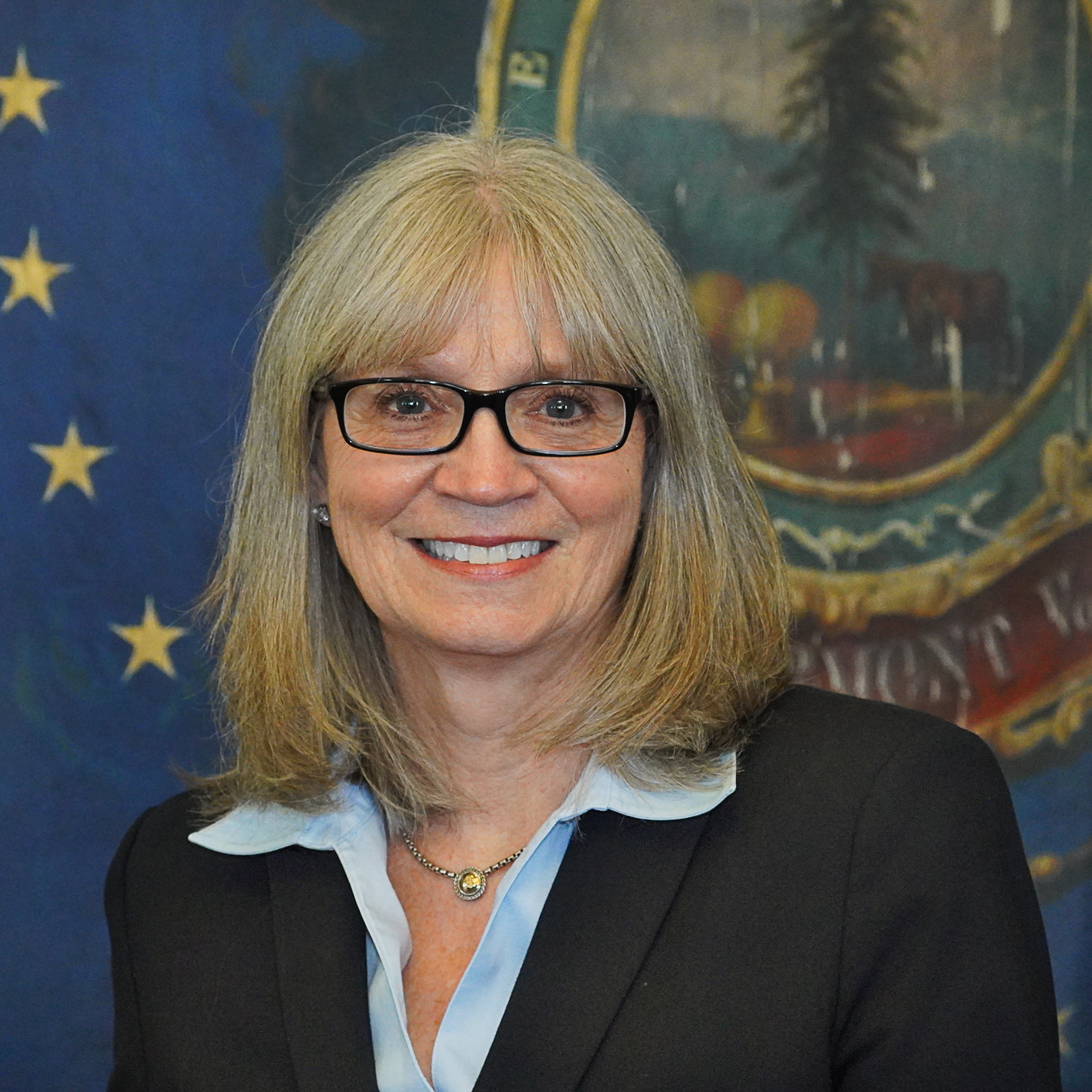
Mike Morgan
17% support rate
Ranked legislators
10
5 support · 5 oppose
Key legislators

Who's moving healthcare in Vermont

Legislators moving healthcare in Vermont
Legislator Party Stance Support rate Votes
Tony Micklus
Tony Micklus House · District Chittenden-Franklin
R
Strong +
83% 14
Rob North
Rob North House · District Addison-3
R
Strong +
83% 13
Marty Feltus
Marty Feltus House · District Caledonia-3
R
Strong +
83% 14
Beth Quimby
Beth Quimby House · District Caledonia-3
R
Strong +
80% 12
Chris Morrow
Chris Morrow House · District Windham-Windsor-Bennington
D
Strong +
80% 13
Mike Morgan
Mike Morgan House · District Grand Isle-Chittenden
R
Strong −
17% 13
James Gregoire
James Gregoire House · District Franklin-6
R
Strong −
17% 13
Woody Page
Woody Page House · District Orleans-2
R
Strong −
20% 11
Tom Burditt
Tom Burditt House · District Rutland-2
R
Strong −
20% 12
Pattie McCoy
Pattie McCoy House · District Rutland-1
R
Oppose
33% 14
Showing 91–100 of 214 bills

All healthcare bills

introduced · Vermont · House Jan 6, 2026

H 543: An act relating to negligence actions and post-traumatic stress disorder

This bill (H 543) would allow a diagnosed case of post-traumatic stress disorder (PTSD) to count as "actual injury" in negligence lawsuits, directly affecting plaintiffs who suffer PTSD due to others' negligence. It amends Vermont law (12 V.S.A. § 1036a) to explicitly state that a PTSD diagnosis satisfies the legal requirement for proving injury in such cases. The bill aims to reverse a recent Vermont Supreme Court ruling (Zeno-Etheridge v. Comcast Corp.) that previously required additional proof beyond a PTSD diagnosis. This change would streamline negligence claims for PTSD victims without altering other elements of negligence law.
Sub-Topics Mental Health
introduced · Vermont · Senate Jan 13, 2026

S 241: An act relating to regulating the use of artificial intelligence in the provision of mental health services

This Vermont bill (S.241) prohibits mental health professionals and organizations from offering, providing, or advertising mental health services delivered by artificial intelligence systems, such as chatbots for therapy. It directly affects mental health service providers, AI developers, and companies marketing AI-driven mental health tools. The bill creates a $10,000 civil penalty per violation under consumer protection law and defines "mental health services" to include therapy, counseling, treatment plans, and emotional support. The legislation stems from research showing AI systems have given dangerous advice (including suicide plans) and failed to recognize mental health crises, aiming to ensure services are delivered by licensed professionals.
introduced · Vermont · House Jan 15, 2026

H 689: An act relating to financial aid exceptions for individuals with a disability

This bill (H.689) requires service providers to adjust financial aid applications for housing, hospital, and surgical care so that only the income of an individual with a disability - not their entire household - is used to determine eligibility and benefit levels. It directly affects Vermont residents with disabilities who apply for these specific types of financial assistance. The key change is modifying how income is calculated during the application process, focusing solely on the applicant's earnings rather than household income. This aims to ensure fairer access to aid by accounting for the individual's personal financial situation.
Sub-Topics Hospitals
introduced · Vermont · House Jan 29, 2026

H 819: An act relating to the Division of Substance Use Programs

This bill (H.819) reorganizes Vermont's substance use services by moving the Division of Substance Use Programs from the Department of Health to the Department of Mental Health. It directly affects the division’s administrative structure and the agencies managing substance use treatment programs. The key mechanism is amending statute 3 V.S.A. § 3089 to establish the Department of Mental Health as the successor to the former division, ensuring substance use programs operate under mental health leadership. This change streamlines oversight but does not alter existing program services or eligibility.
passed · Vermont · House Mar 18, 2026

H 753: An act relating to utility service disconnections and ratepayer protections

This bill, the "Vermont Energy Equity Law" (H 753), directly affects residential utility customers in Vermont by preventing forced disconnections under specific circumstances. It requires the Public Utility Commission to adopt rules banning disconnections during extreme heat and mandating that utilities halt disconnections if a physician certifies a health risk from service loss. Utilities must also create plans to reduce involuntary disconnections to the lowest feasible level in their service areas. The law aims to protect vulnerable households while aligning utility operations with state energy policy goals.
Sub-Topics Utility Regulation
signed · Vermont · House May 29, 2026

H 583: An act relating to clinical decision making

H 583 prohibits certain financial transactions involving health care entities (like hospitals, clinics, and insurers with $1 million+ assets/revenue) and bans corporations from interfering with medical professionals' clinical decisions. It requires public reporting on ownership and control of these entities, and treats violations as breaches of the Consumer Protection Act. The bill specifically targets acquisitions, mergers, and management agreements that could shift control away from health care providers. It excludes clinical trials, graduate medical education, and direct hiring of individual providers. This legislation aims to protect medical judgment by limiting corporate influence over health care delivery.
introduced · Vermont · Senate Jan 6, 2026

S 194: An act relating to designated and specialized service agency payment methodology

S.194 establishes a new monthly prospective payment system for Vermont's designated and specialized service agencies that provide community-based human services. It requires the Human Services Secretary to calculate payments based on per-member per-month amounts derived from approved agency budgets, updated annually with inflation adjustments and geographic cost factors. The bill mandates monthly payments on the first day of each month, annual rate recalculations, and an annual reconciliation process to align funding with actual service delivery. This directly affects community-based service providers receiving Medicaid funding, changing how they are reimbursed for services to individuals with approved care plans.
Sub-Topics Medicaid
introduced · Vermont · House Jan 13, 2026

H 644: An act relating to regulating the use of artificial intelligence in the provision of mental health services

Vermont's H.644 prohibits mental health professionals and entities from offering, providing, or advertising mental health services delivered by artificial intelligence systems, with limited exceptions. The bill directly affects licensed mental health providers, clinics, and AI service developers operating in Vermont. It amends licensing rules to define AI misuse as unprofessional conduct and adds penalties of $10,000 per violation under the Consumer Protection Act. The law aims to prevent harm from AI systems that have been shown to give dangerous advice (e.g., encouraging self-harm or suicide) based on research cited in the bill.
introduced · Vermont · House Feb 12, 2025

H 202: An act relating to increasing the transparency of prescription drug costs and spending

This bill increases transparency around prescription drug costs in Vermont. It prohibits pharmacy benefit managers from requiring patients to pay more than the drug's average cost plus a standard dispensing fee (based on Vermont Medicaid rates). Pharmacies must post notices informing patients about available price options, including cash prices. Hospitals must report annual details about their participation in the federal 340B drug discount program to the Green Mountain Care Board, and health insurers must send patients annual reports showing actual drug spending on their behalf. These requirements directly affect patients, pharmacies, insurers, and healthcare providers.
introduced · Vermont · House Feb 18, 2025

H 251: An act relating to establishing a competency restoration process

H 251 establishes a legal process to help criminal defendants found incompetent to stand trial regain competency through mental health treatment. The bill requires courts to provide structured treatment services for defendants unable to understand trial proceedings due to mental health conditions, while including community safety safeguards. It directly affects Vermont defendants in criminal cases who are deemed incompetent to stand trial. The process aims to restore competency for fair trials or appropriate resolution, with specific court procedures outlined in the bill.
Sub-Topics Courts Mental Health
Showing 91 to 100 of 214 bills
Previous 1 9 10 11 22 Next