

Issue · Budget & Taxes
Budget & Taxes
Every budget & taxes bill, vote, and legislator stance in Vermont, automatically classified by Maddy, our AI policy reader.
Total bills
167
2025-2026 Regular Session
Top supporter
Phil Pouech
90% support rate
Top opponent
V.L. Coffin
10% support rate
Ranked legislators
10
5 support · 5 oppose
Key legislators
Who's moving budget & taxes in Vermont
| Legislator | Party | Stance | Support rate | Votes |
|---|---|---|---|---|

Phil Pouech
House · District Chittenden-4
|
D |
Strong +
|
90% | 26 |
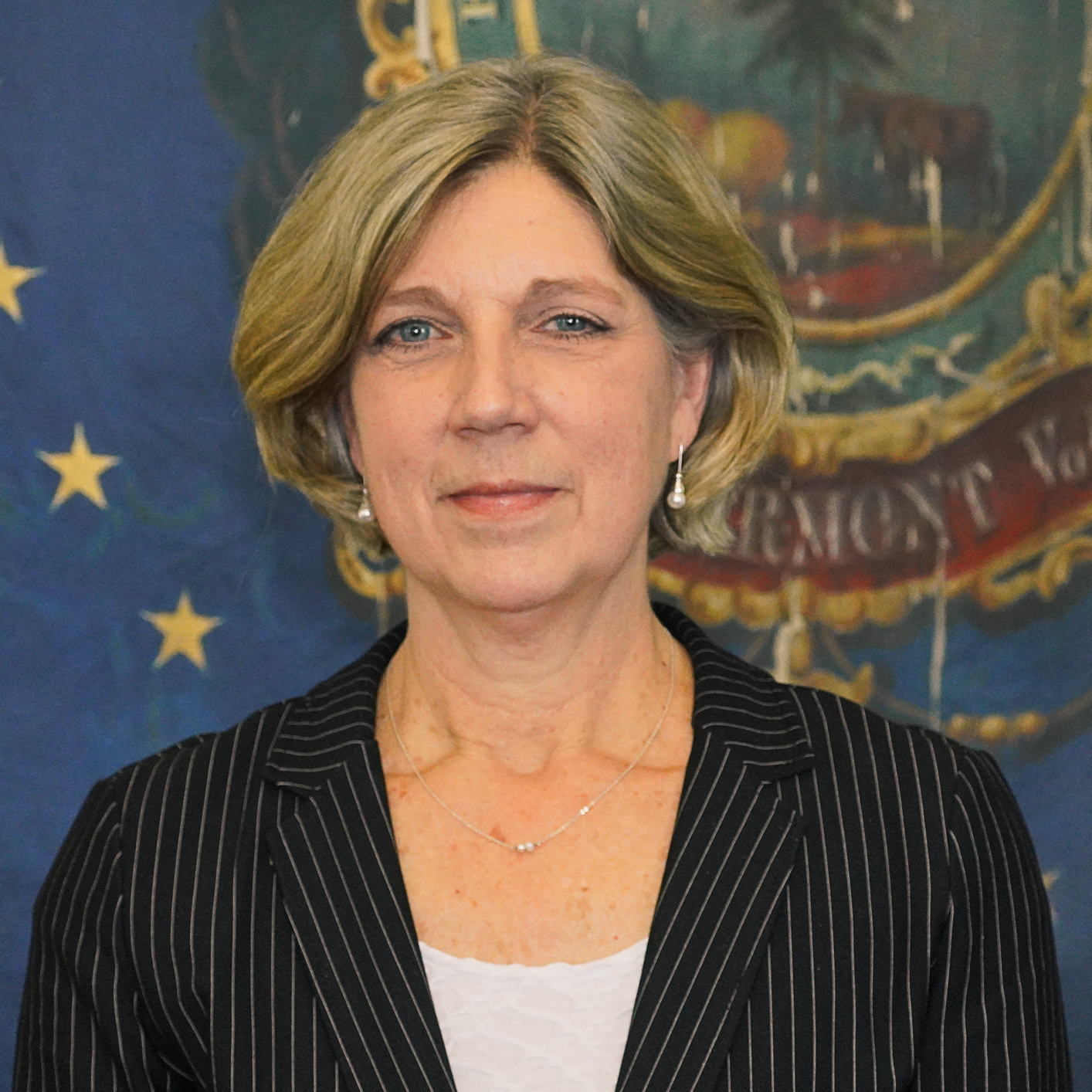
Emily Long
House · District Windham-5
|
D |
Strong +
|
90% | 26 |

Troy Headrick
House · District Chittenden-15
|
I |
Strong +
|
90% | 26 |

Teddy Waszazak
House · District Washington-3
|
D |
Strong +
|
90% | 25 |

Leanne Harple
House · District Orleans-4
|
D |
Strong +
|
90% | 26 |

V.L. Coffin
House · District Windsor-2
|
R |
Strong −
|
10% | 26 |

Joe Luneau
House · District Franklin-3
|
R |
Strong −
|
11% | 25 |

Chris Keyser
House · District Rutland-7
|
R |
Strong −
|
12% | 22 |
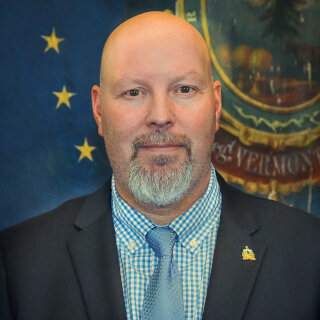
Eric Maguire
House · District Rutland-5
|
R |
Strong −
|
14% | 19 |

Kevin Winter
House · District Rutland-Windsor
|
R |
Strong −
|
17% | 21 |
Showing 71–80 of 167
bills
All budget & taxes bills
S 289: An act relating to reimbursing the Department of Fish and Wildlife for lost license fee revenue
Topics
✓ Budget & TaxesSupports Budget & TaxesReimburses Department of Fish and Wildlife for lost license revenue, maintaining budget level via General Fund payments, ensuring continued funding for essential programs.
✓ EnvironmentSupports EnvironmentReimburses Fish and Wildlife for lost license fees, maintaining funding for conservation programs and ensuring continued environmental protection efforts without revenue loss.
S 238: An act relating to revenue for education and housing development
Topics
✓ Budget & TaxesSupports Budget & TaxesBill creates new taxes (rental surcharge, beverage tax) to fund housing/education programs via dedicated state funds, directly advancing public service funding.
✓ HousingSupports HousingBill creates revenue streams (short-term rental surcharge, soda tax) to fund Housing Investments Special Fund for low-income housing development and repairs.
S 319: An act relating to authorizing the issuance of limited wagering event permits for poker games and tournaments
H 620: An act relating to creating a wealth tax commission
S 280: An act relating to an increased education property tax rate for certain residential properties
Topics
✓ Budget & TaxesSupports Budget & TaxesIncreases property tax on nonhomestead properties to fund a new school construction fund, directly advancing public education funding through targeted tax revenue.
✓ EducationSupports EducationBill increases property tax on nonhomestead properties to fund a new school construction fund, directly advancing school infrastructure funding.
Sub-Topics
Property Tax
H 698: An act relating to various changes to 2025 Acts and Resolves No. 73
Topics
✓ Budget & TaxesSupports Budget & TaxesBill reverts unused education funds to General Fund, promoting fiscal responsibility in budget management.
✗ EducationOpposes EducationReverts unused education funds to General Fund (defunding) while removing class size requirements and fees, indicating reduced educational funding priorities.
S 293: An act relating to brownfields redevelopment of the Upper Valley Regional Landfill
Topics
✓ Budget & TaxesSupports Budget & TaxesBill appropriates $143,000 from General Fund for brownfields redevelopment grant, directly funding government spending on economic development project.
✓ EnvironmentSupports EnvironmentBill funds brownfields redevelopment at contaminated landfill, facilitating cleanup and repurposing to reduce pollution and prevent further environmental harm.
S 282: An act relating to increasing taxes on higher income earners and creating the School Construction Aid Special Fund
Topics
✓ Budget & TaxesSupports Budget & TaxesBill imposes higher taxes on high-income earners (2%+ surcharge, 4% wealth tax) to fund school construction, directly advancing public education spending via dedicated revenue stream.
✓ EducationSupports EducationBill creates dedicated tax revenue specifically for school construction funding, directly advancing K-12 infrastructure investment through new surcharges on high earners.
H 794: An act relating to increasing taxes on higher income earners and creating the School Construction Aid Special Fund
Topics
✓ Budget & TaxesSupports Budget & TaxesIncreases taxes on high earners (>250k) and wealth to fund school construction, aligning with progressive taxation and public service funding.
✓ EducationSupports EducationCreates School Construction Aid Special Fund via new taxes to directly fund school infrastructure, advancing educational facilities per bill's purpose statement.