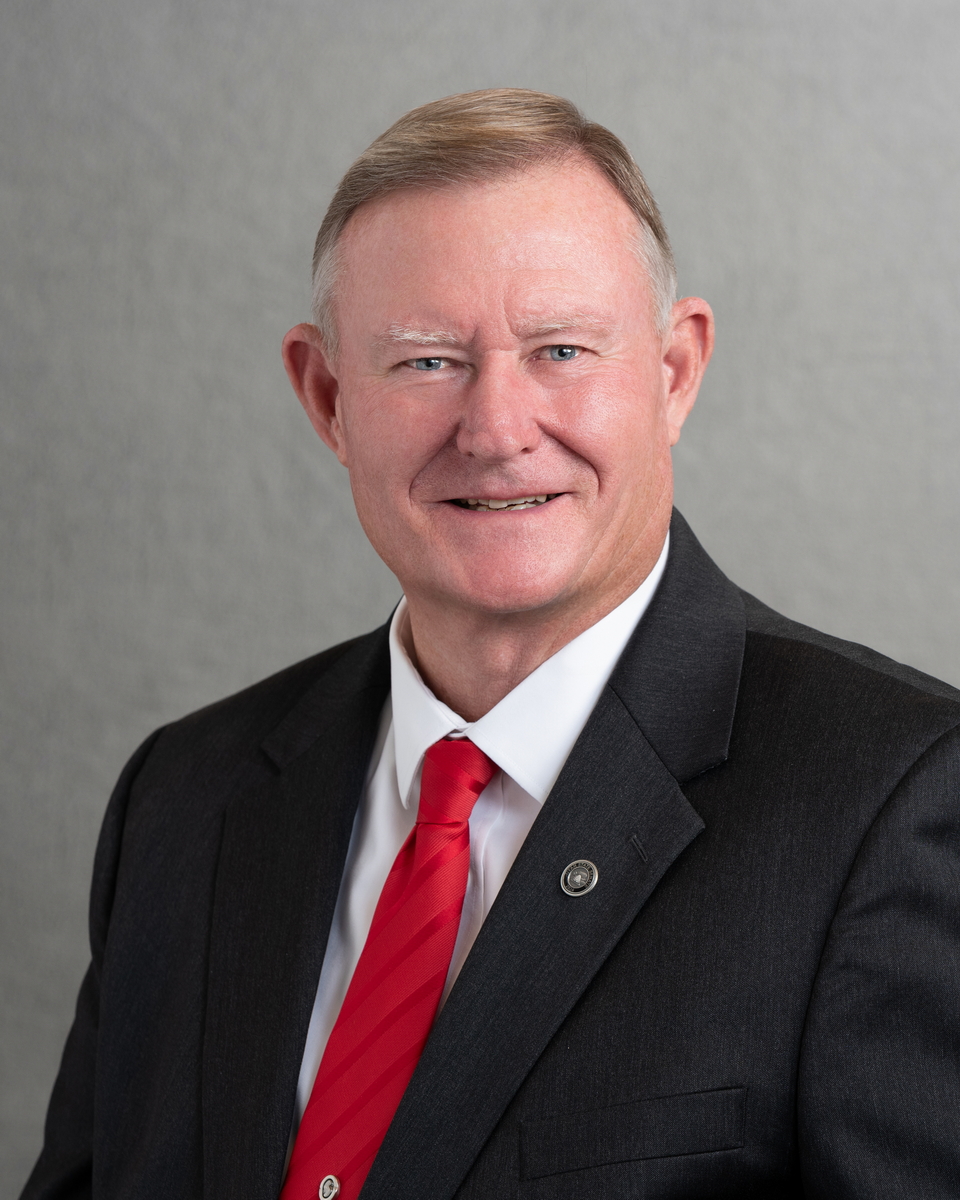
Photo of Evan Vickers
R Utah Senate · District 28 On the 2026 ballot

Sen. Evan Vickers

Compare
Total votes
6,175
all sessions
Attendance
94%
71 missed
Near the chamber average
With party
97%
of cast votes
Lower than 94% of chamber peers
Bipartisan score
2%
crosses aisle rarely
Higher than 82% of chamber peers
Sponsored
220
bills & resolutions
Higher than 87% of chamber peers
Committees
9
assignments
220 bills and resolutions

Sponsored bills

Total
220
Primary
74
Co-sponsor
146
This page
220
matching current filters
Primary SB 84
Signed into law · Utah Senate · Lead sponsor
Department of Commerce Amendments

Maddy summarySB 84 creates the Department of Commerce Technology, Education, and Training Fund to support specific technology and training activities within Utah's Department of Commerce. The fund will be financed by existing fees collected by the Division of Corporations (for business filings) and the Division of Professional Licensing (for public licensee lists), with all interest earned also deposited into the fund. This money will directly pay for employee training, technology maintenance for business registrations, public education materials about licensing and filings, and subscription services for business data. The bill does not appropriate new state funds but redirects existing fee revenue toward these defined purposes.

Signed into law Mar 7, 2026 0 co-sponsors
Co-sponsor HB 229
Passed · Utah House · Co-sponsor
Restricted Account Modifications

Maddy summaryHB 229 modifies rules for two state restricted accounts: the Tobacco Settlement Restricted Account and the Electronic Cigarette Substance and Nicotine Product Proceeds Restricted Account. It updates how funds are allocated when legislative appropriations exceed available revenue (requiring sequential, partial funding until exhausted) and adds a sunset review requirement for electronic cigarette account provisions before their automatic repeal. The bill makes technical corrections to ensure consistency but does not appropriate new money. These changes primarily affect state agencies that manage tobacco-related funding, including the Department of Health and Human Services and the State Tax Commission.

Passed Mar 7, 2026 1 co-sponsor
Primary SB 223
Passed · Utah Senate · Lead sponsor
Sales and Use Tax Exemptions Modifications

Maddy summarySB 223 modifies Utah's sales and use tax exemptions to support renewable energy infrastructure development. It extends the tax exemption for equipment used to expand existing alternative energy power plants (like solar, wind, or geothermal facilities) and adds a new exemption for equipment that increases capacity at electric energy storage facilities (such as battery systems). This directly affects businesses building or upgrading renewable energy projects by reducing their upfront costs for qualifying equipment. The bill also includes minor technical adjustments to tax code definitions but does not appropriate new state funds.

Passed Mar 7, 2026 0 co-sponsors
Co-sponsor HB 349
Passed · Utah House · Co-sponsor
Statewide Water Storage

Maddy summaryHB 349 establishes a framework for state-funded loans to support water storage projects like dams and reservoirs. It authorizes using the existing Water Infrastructure Restricted Account to provide loans for projects such as developing Utah's share of the Bear and Colorado rivers, repairing federal water infrastructure, or expanding water storage capacity, with repayment terms set by the Division of Water Resources. Local sponsors (including cities, counties, tribes, and water districts) must meet specific conservation requirements - like requiring new developments to follow strict water-use standards - to qualify for certain loans. The bill also creates reporting requirements and rulemaking processes for loan approvals and repayment, using existing funds without new appropriations. It directly affects entities planning or building water infrastructure projects seeking state financial assistance.

Passed Mar 7, 2026 1 co-sponsor
Co-sponsor HB 387
Passed · Utah House · Co-sponsor
Kratom Modifications

Maddy summaryHB 387 modifies Utah's regulations for kratom products. It requires kratom processors and retailers to register with the Department of Agriculture and Food, bans products containing synthetic alkaloids or exceeding 2% 7-hydroxymitragynine, and mandates labeling with specific alkaloid content. The bill also raises the minimum purchase age to 21 and imposes fines up to $5,000 for violations like selling unregistered or mislabeled products. If all kratom alkaloids are classified as controlled substances under state law, the entire bill would become inactive.

Passed Mar 7, 2026 1 co-sponsor
Co-sponsor HB 29
Passed · Utah House · Co-sponsor
Unfair and Deceptive Pricing Amendments

Maddy summaryHB 29 amends Utah's consumer protection laws to require businesses to clearly disclose the total price of products - including all hidden fees, government charges, and shipping costs - in advertisements and offers. This directly affects suppliers (businesses selling goods or services) by prohibiting misleading pricing practices and mandating upfront transparency. The bill establishes the Division of Consumer Protection as the enforcing body, granting it authority to impose fines up to $2,500 per violation and seek court remedies for noncompliance. It defines key terms like "total price" and "mandatory ancillary charge" to ensure consistent application of the new disclosure rules.

Passed Mar 7, 2026 1 co-sponsor
Co-sponsor HB 114
Passed · Utah House · Co-sponsor
Adult-oriented Performance and Material Amendments

Maddy summaryHB 114 reorganizes Utah's laws on adult performances and materials by creating new standalone criminal offenses. It moves conduct like presenting pornographic performances in public places, aiding minors in such performances, and harmful performances near minors into separate charges, rather than grouping them under existing "distributing material" offenses. Penalties now vary by the actor's age (third-degree felony for adults, misdemeanors for minors), with specific fines and jail terms. The bill clarifies existing prohibitions - such as on school property or harmful material - without introducing new restrictions.

Passed Mar 7, 2026 1 co-sponsor
Primary SB 33
Signed into law · Utah Senate · Lead sponsor
Office of Professional Licensure Review Sunrise Amendments

Maddy summarySB 33 repeals a requirement that individuals or groups seeking to regulate a new occupation must first submit an application for "sunrise review" to Utah's Office of Professional Licensure Review before introducing related legislation. This change directly affects anyone proposing to regulate a new occupation, such as professionals or trades, by removing a pre-legislative review step. The bill eliminates the need for an application describing public safety concerns and the least restrictive regulation, along with a $500 fee, which previously had to be submitted before introducing such bills. The repeal takes effect on May 6, 2026, with no funding changes or additional provisions.

Signed into law Mar 7, 2026 0 co-sponsors
Primary SB 48
In committee · Utah Senate · Lead sponsor
Kratom Revisions

Maddy summarySB 48 amends Utah's controlled substances laws to regulate specific kratom compounds. It designates 7-hydroxymitragynine (if exceeding 2% concentration) and Mitragynine pseudoindoxyl (including synthetics) as Schedule I controlled substances. The bill requires kratom processors to label products with mitragynine and 7-hydroxymitragynine content and prohibits mixing kratom with harmful substances or selling unregistered products. Violations carry a class C misdemeanor penalty, directly affecting kratom businesses operating in Utah.

In committee Mar 7, 2026 0 co-sponsors
Co-sponsor HB 98
Failed · Utah House · Co-sponsor
Residential Notification Amendments

Maddy summaryHB 98 amends Utah law to require regulated residential facilities (including treatment programs, recovery residences, and social detox centers) to notify nearby residents before opening. Specifically, facilities must mail or post notices to properties within 300 feet of their location, including details about services, client types, and contact information for a facility representative. This applies to all new facilities starting operations after May 6, 2026, and affects both the facilities and adjacent property owners/residents. The bill does not change licensing fees or funding but clarifies notification requirements to increase community transparency.

Failed Mar 7, 2026 1 co-sponsor
Showing 41 to 50 of 220 bills
Previous 1 4 5 6 22 Next