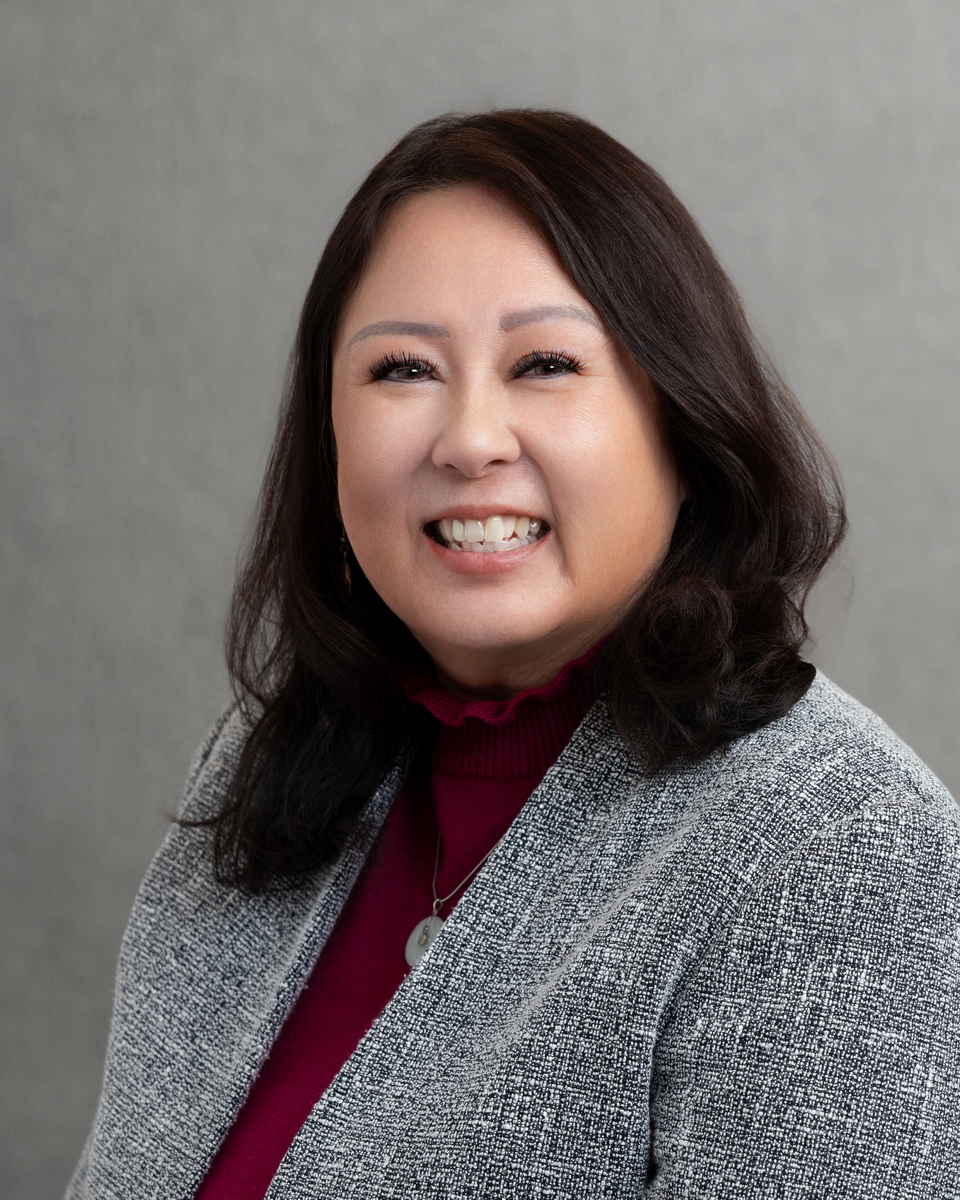
Photo of Karen Kwan
D Utah Senate · District 12 On the 2026 ballot

Sen. Karen Kwan

Compare
Total votes
5,445
all sessions
Attendance
98%
52 missed
Higher than 94% of chamber peers
With party
98%
of cast votes
Near the chamber average
Bipartisan score
2%
crosses aisle rarely
Near the chamber average
Sponsored
55
bills & resolutions
Lower than 87% of chamber peers
Committees
14
assignments
55 bills and resolutions

Sponsored bills

Total
55
Primary
39
Co-sponsor
16
This page
55
matching current filters
Primary SB 53
Failed · Utah Senate · Lead sponsor
Public Land Management Advisory Board Amendments

Maddy summarySB 53 amends Utah's Public Land Management Advisory Board by adding two permanent membership slots: the state historic preservation officer (or their designee) and the director of the School and Institutional Trust Lands Administration (or their designee). This increases the board's membership from 11 to 13 members while maintaining its existing structure of governor-appointed representatives for sectors like mining, agriculture, and environmental groups. The bill makes technical changes to the board's composition in Utah Code Section 63L-9-104 but does not alter funding, voting procedures, or the board's responsibilities. It takes effect on May 6, 2026.

Failed Mar 7, 2026 0 co-sponsors
Co-sponsor HB 315
Vetoed · Utah House · Co-sponsor
Elected Official Vacancy Modifications

Maddy summaryHB 315 modifies Utah's process for filling midterm vacancies in municipal offices (like city mayors or council members). It requires municipal bodies to publicly announce vacancies 14 days in advance, interview qualified candidates, and use a "game of chance" (such as a coin toss) to break ties when three or more candidates receive equal votes in the initial selection. The bill specifically defines terms like "vacancy" and "game of chance" while adding procedural steps for transparency. It directly affects Utah municipalities and their legislative bodies when filling unexpired terms. The changes apply to vacancies caused by resignation or other midterm departures, with no funding impact.

Vetoed Mar 27, 2025 1 co-sponsor
Co-sponsor HB 358
Signed into law · Utah House · Co-sponsor
Criminal Sexual Conduct Amendments

Maddy summaryHB 358 creates three new criminal offenses related to sexual conduct. It prohibits demanding explicit content from people in custody (e.g., jail inmates), and bans using virtual reality avatars to engage in sexual activity with children under 14 or minors aged 14-17. The bill defines key terms like "sexually explicit conduct" and specifies that consent is not a defense for these acts. Violations range from class A misdemeanors (for the VR minor offense) to third-degree felonies (for the child VR offense), with penalties taking effect May 7, 2025.

Signed into law Mar 26, 2025 1 co-sponsor
Primary SB 79
Signed into law · Utah Senate · Lead sponsor
Technical Code Amendments

Maddy summarySB 79, titled "Technical Code Amendments," updates outdated gender-specific language in Utah’s legal code to align with modern drafting standards. It modifies over 70 Utah Code sections (including sections on civil procedure, family law, and administrative regulations) by replacing terms like "he or she" with gender-neutral alternatives. The bill makes no new policy changes, does not appropriate funds, and has no direct impact on specific individuals or programs. Its purpose is purely administrative, ensuring consistency across the state’s legal code without altering existing laws or creating new obligations.

Signed into law Mar 26, 2025 0 co-sponsors
Primary SB 144
Signed into law · Utah Senate · Lead sponsor
Sexual Crimes Amendments

Maddy summarySB 144 amends Utah's sexual crimes laws to clarify and expand protections for minors. It directly affects minors aged 14-17 and individuals who access child sexual abuse material for work (like social workers or law enforcement). Key changes include: expanding the definition of "female breast" to include undeveloped or partially developed breasts in sexual offenses; broadening "child sexual abuse material" to cover minors observing such acts; requiring intent to view material for exploitation charges; and creating a safe harbor for employees who access such material in their job duties. The bill also removes lesser penalties for offenses involving minors aged 14+ or pubescent, ensuring consistent penalties regardless of the minor's age.

Signed into law Mar 26, 2025 0 co-sponsors
Primary SB 101
Signed into law · Utah Senate · Lead sponsor
Dog Related Liability Amendments

Maddy summarySB 101 amends Utah law to clarify that dog owners are not liable for injuries or deaths caused by their dogs to trespassers. Specifically, it removes liability when a trespasser enters private property without permission and the dog is reasonably secured (e.g., behind a fence). This change applies only to trespassers on private property and does not affect liability for injuries to other individuals or animals. The bill updates Utah Code Sections 18-1-1 and 57-14-301 with these provisions, making no changes to existing liability for non-trespassers or other scenarios.

Signed into law Mar 26, 2025 0 co-sponsors
Primary SB 214
Passed · Utah Senate · Lead sponsor
Health Insurance Coverage Amendments

Maddy summarySB 214 amends Utah's insurance code to expand who can diagnose autism spectrum disorder (ASD) for insurance coverage purposes. It adds licensed clinical social workers, mental health counselors, marriage and family therapists, and advanced practice nurses to the list of qualified professionals allowed to make ASD diagnoses, alongside existing doctors and psychologists. The bill also includes a coordination clause requiring the related bill SB 256 to pass first before it takes effect. This change directly affects health insurance plans covering ASD diagnosis and treatment, ensuring more licensed providers can initiate coverage without requiring a physician diagnosis. The bill does not alter coverage limits for treatment, which remain governed by other sections of the code.

Passed Mar 8, 2025 0 co-sponsors
Primary SB 114
Passed · Utah Senate · Lead sponsor
Veteran Access to State Parks

Maddy summarySB 114 creates a program offering Utah-resident veterans a discounted annual state park pass at a minimum 25% reduction from the standard day-use pass price. It directly affects veterans who are honorably discharged (with service-connected disability ratings) or generally honorably discharged from military service. The bill appropriates $300,000 from the General Fund for fiscal year 2026 to fund this program through the Division of State Parks, with automatic repeal scheduled for 2028. This replaces a prior pilot program and establishes clear eligibility criteria and funding mechanisms for veteran access to state parks.

Passed Mar 8, 2025 0 co-sponsors
Co-sponsor HB 399
Failed · Utah House · Co-sponsor
School Attendance Amendments

Maddy summaryHB 399 requires Utah school districts to collect and report chronic absenteeism data starting in the 2025-2026 school year, defining it as missing 10% or more of school days (excused or unexcused). Districts must track enrollment, absentee rates by grade, and individual absence details, then submit this to the state board for public publication. The state board must also conduct a study analyzing root causes of absenteeism - such as socioeconomic factors, transportation, mental health, and family issues - and identify evidence-based solutions for prevention and student re-engagement. A final report with findings and recommendations is due to the Education Committee by September 2026. This bill directly affects school districts, state education officials, and students impacted by chronic absenteeism.

Failed Mar 8, 2025 1 co-sponsor
Co-sponsor HB 161
Signed into law · Utah House · Co-sponsor
School Bus Route Amendments

Maddy summaryHB 161 amends Utah's rules for student eligibility for state-funded school bus transportation. It sets distance thresholds: students in kindergarten through grade 6 must live at least 1.5 miles from school, while students in grade 6 (if in middle school) and grades 7-12 must live at least two miles away. Students in approved special education programs with severe disabilities who cannot walk to school, regardless of distance, remain eligible. The bill makes technical updates to existing eligibility criteria without changing funding formulas or adding new costs. It takes effect July 1, 2025.

Signed into law Mar 3, 2025 1 co-sponsor
Showing 11 to 20 of 55 bills
Previous 1 2 3 6 Next