Maddy summaryThis bill amends the Clean Air Act to adjust fuel standards and support small refineries. It changes how the EPA grants waivers for fuel additives (allowing fuels similar to certified vehicles or meeting specific waiver conditions) and modifies Reid Vapor Pressure limits from "10 percent" to "10 to 15 percent" for certain fuels. Small refineries that retired credits for 2016-2018 compliance years and had pending or denied petitions by December 2022 can now have those credits returned or applied to future compliance. The bill directly affects fuel retailers, ethanol producers, and small refineries by altering compliance rules and credit eligibility under the renewable fuel program.
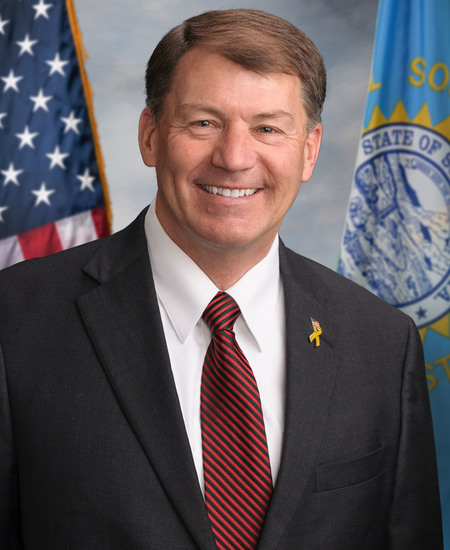
Sen. Mike Rounds
Sponsored bills
Maddy summaryThis bill creates a centralized online portal for appraisers and appraisal management companies (AMCs) to handle licensing, certification, and registration processes. It requires the Appraisal Subcommittee to establish a cloud-based system where users submit applications, pay fees, and complete background checks, while connecting state licensing agencies to access all relevant applicant information. The portal streamlines state agency access to education records, experience logs, and criminal history checks processed through the FBI, with states retaining final licensing authority. Fees for portal use are set to be revenue-neutral, and states may receive grants to connect their systems to the portal.
Maddy summaryS 2502, the Artificial Intelligence Bug Bounty Act of 2023, requires the Department of Defense (DoD) to create a bug bounty program for critical AI systems it uses. Within 180 days of enactment, the DoD's Chief Data and AI Officer must develop this program, which contractors must be allowed to participate in through new contracts. The bill mandates a congressional briefing within one year on the program's development and future plans. This affects DoD contractors and the DoD itself, focusing on improving security for AI systems through public vulnerability reporting, without mandating AI use or program implementation.
Maddy summaryThis bill amends the Public Health Service Act to prohibit the Secretary from requiring any State, clinic, or provider to counsel or refer for abortions as a condition for receiving Title X family planning funding. It directly affects Title X-funded clinics and health centers that provide reproductive health services. The key provision explicitly adds that no entity receiving Title X funds may be compelled to offer or facilitate abortion services. This changes existing requirements by removing mandatory abortion counseling or referral as a condition for federal funding under Title X. The bill focuses on clarifying funding rules without altering other Title X program requirements.
Maddy summaryThe Strategic Defense Logistics Improvement Act of 2023 expands the Department of Defense's Contested Logistics Working Group by adding representatives from four specific agencies: the Defense Logistics Agency, the Strategic Capabilities Office, DARPA, and the Office of the Under Secretary of Defense for Research and Engineering. The bill requires these new members to be appointed within 60 days of enactment and mandates the working group meet at least quarterly. It also requires the group to submit an annual report by February 1 to congressional defense committees detailing any shortfalls in personnel, equipment, infrastructure, energy, storage, or capabilities needed for DoD operations. This legislation focuses on improving internal coordination and transparency in defense logistics planning within the Department of Defense.
Maddy summaryThis bill creates a new internal process for the Department of Defense (DoD) to handle facility maintenance and minor construction. It allows one DoD department or agency to order work (like repairs or small projects) from another DoD department on a reimbursable basis, meaning the requesting department pays for it using its existing budget - similar to how it would pay a private contractor. The bill sets a 10% cap on contingency costs for such projects and clarifies that existing DoD funds can cover these internal orders. It directly affects DoD departments managing facilities but does not change overall taxpayer funding or impact external groups.
Maddy summaryS 2477 (Equitable Community Access to Pharmacist Services Act) expands Medicare Part B coverage to include specific pharmacist services previously only covered when provided by physicians. It directly affects Medicare beneficiaries and pharmacists by allowing coverage for services like evaluating patients for COVID-19, flu, or respiratory illnesses, and addressing public health emergencies - provided pharmacists are licensed or operating under federal emergency authority. The bill establishes payment at 80% of the lesser of actual charge or 85% of physician payment rates (100% during federal emergencies) and prohibits balance billing for these services. It also clarifies that existing Medicare enrollment pathways for pharmacists remain available. This bill modifies Medicare Part B coverage under the Social Security Act without restricting current pharmacy reimbursement options.
Maddy summaryThis bill delays funding for destroying anti-personnel landmines until the Pentagon submits a required report to Congress. It prohibits using Defense Department funds for destroying such munitions before the Secretary of Defense delivers a detailed report within one year of the bill's enactment. The report must cover current landmine policy, 10-year inventory projections, costs for disposal or new production, and military impact assessments. A safety exception allows immediate destruction if munitions pose an active risk to troops. The bill also requires a separate briefing on alternatives to landmines within 180 days.
Maddy summaryThe Peace Corps Reauthorization Act of 2023 (S 1203) authorizes $410.5 million annually for Peace Corps operations through fiscal year 2028 and includes numerous provisions to improve volunteer support and program operations. Key changes include increasing readjustment allowances for volunteers from $125 to $375, extending health care coverage for returning volunteers, and establishing a comprehensive zero-tolerance drug policy for volunteers. The bill also codifies special hiring preferences for returning volunteers in federal positions, creates new protections against retaliation for volunteers reporting issues, and requires the Peace Corps to develop strategies for expanding volunteer presence in Oceania. These provisions directly affect Peace Corps volunteers, returning volunteers, and Peace Corps staff by enhancing support systems and program operations.
Maddy summaryThis bill prohibits the Department of Defense from using military funds to cover travel, lodging, meals, or transportation expenses related to abortions for service members or their dependents, except in cases where the pregnancy endangers the mother’s life, results from rape, or results from incest. It also terminates a 2022 Department of Defense memo that allowed access to abortion-related care and bans using medical convalescent leave or administrative absences for abortion-related travel under the same limited exceptions. The bill directly affects active-duty military personnel, veterans, and their dependents who might seek abortion care. It modifies existing travel and leave regulations under U.S. Code titles 37 and 10 to restrict these benefits, aligning with existing federal law that limits abortion funding. The policy change removes prior allowances for abortion-related travel expenses and leave under military benefits programs.