Maddy summaryThe BAD DEAL Act of 2026 repeals Section 338 of the Tariff Act of 1930, which previously allowed the President to impose tariffs on foreign countries that engaged in unfair trade practices. This legislation directly affects importers and businesses by removing the legal authority for these specific duties and invalidating any presidential proclamations issued under that section. The bill requires the President to refund all tariffs or other duties collected before, on, or after the enactment date that resulted from actions taken under the repealed provision.
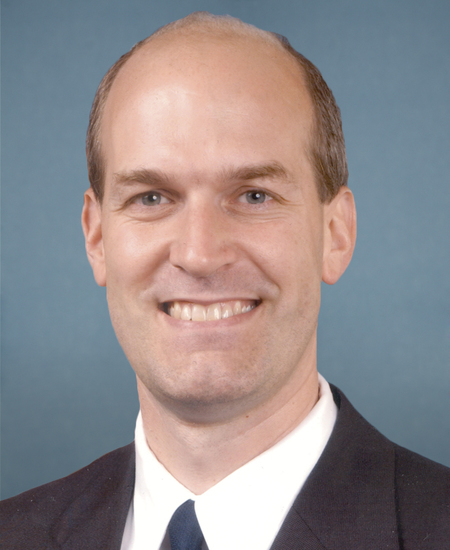
Rep. Rick Larsen
Sponsored bills
Maddy summaryThe Read for Reentry Act of 2026 directs the Comptroller General of the United States to conduct a study on library services within state and federal prisons. This report will examine who currently has access to these services, how they are funded, and the demographic characteristics of incarcerated individuals who use them. The study will also analyze specific outcomes related to recidivism, parole compliance, workforce placement, and disciplinary infractions for those released from facilities offering library programs. Ultimately, the bill aims to gather data to inform Congress about the current state and impact of prison libraries.
Maddy summaryThe Temporary Protected Status Review Act restores the ability of courts to review decisions by the Department of Homeland Security to end Temporary Protected Status (TPS) designations for foreign nationals. Under this bill, the government must publish detailed written findings explaining why a country no longer qualifies for TPS protection, and these decisions would be subject to a legal challenge in federal court. If a TPS designation is terminated, the affected individuals would remain in the United States with their current status and work authorization intact while the legal challenge is pending. Additionally, the legislation requires the government to follow specific administrative procedures, such as considering all available evidence and avoiding bias, before making any termination decisions.
Maddy summaryThis bill establishes federal protections and funding to expand access to in vitro fertilization and intrauterine insemination for individuals, military service members, and veterans. It requires most private health plans, Medicaid programs, and Medicare to cover these fertility treatments without imposing higher cost-sharing than other medical services. Additionally, the legislation mandates that the Department of Defense and the Department of Veterans Affairs provide specific fertility preservation and treatment benefits to uniformed service members and eligible veterans. The bill also includes preemption clauses that override state laws restricting these procedures and prohibits discrimination based on marital status, sex, or sexual orientation in the provision of care.
Maddy summaryThe AI Transparency in Elections Act of 2026 requires political advertisements containing content substantially generated by artificial intelligence to include clear and conspicuous disclaimers. These labels must appear on images, audio, and video ads that advocate for or against candidates, solicit contributions, or refer to candidates within 120 days of an election. The bill mandates that visual disclaimers be as large as the main text, while audio disclaimers must be spoken for at least four seconds at the beginning or end of the recording. Violations of these disclosure rules could result in civil money penalties of up to $50,000 per ad, and the Federal Election Commission is tasked with creating specific regulations to enforce the law.
Maddy summaryThis bill requires Medicare Advantage plans to implement electronic pre-approval systems for medical services by 2028 and meet transparency reporting standards starting in 2027. Plans must publicly report data on approval/denial rates, appeal outcomes, response times, and technology use for pre-approval requests, including details on how denials relate to clinical criteria. It establishes a 24-hour response timeframe for certain requests and mandates annual reviews of pre-approval requirements based on data and input from seniors and providers. The law directly affects Medicare Advantage plans, seniors enrolled in these plans, and healthcare providers who submit pre-approval requests. These changes aim to make the pre-approval process faster, more transparent, and more accountable for seniors seeking covered medical services.
Maddy summaryThis resolution expresses support for designating July 10th as Journeyman Lineworkers Recognition Day to honor the workers who maintain the nation's electrical grid. The bill specifically recognizes the dangerous conditions these employees face, such as working at heights near live power lines and responding to disasters like hurricanes and wildfires. It also commemorates Henry Miller, the first president of the International Brotherhood of Electrical Workers, who died on July 10, 1896, while performing his duties. Ultimately, the measure encourages the public to observe this day with reflection on the contributions of lineworkers.
Maddy summaryThe EXCLAVE Act of 2026 requires federal agencies to hold special public meetings exclusively for residents of pene-exclaves when proposed rules might uniquely burden them. A pene-exclave is defined as a U.S. region accessible by land only by traveling through a foreign country, and unique burdens include difficulties crossing borders, accessing emergency services, or obtaining necessities like food and healthcare. If an agency identifies such a potential issue or receives a complaint from a resident, it must organize an accessible meeting, notify local officials, and publish all comments and minutes in the Federal Register within 60 days. Additionally, the Office of Management and Budget must create an official list of these regions and their local government contacts within 90 days of the bill's enactment.
Maddy summaryThis bill redesignates the existing National Parks and Public Land Legacy Restoration Fund as the America's Legacy Restoration Fund to address deferred maintenance on federal lands. It directs revenue from recreation fees and a portion of energy development income into the fund, which must be used primarily for repairing critical infrastructure like roads, trails, and buildings managed by agencies such as the National Park Service and the Forest Service. The legislation establishes strict rules requiring that most funds go toward non-transportation projects, mandates transparency through public dashboards tracking project status, and sets aside a small percentage for matching private donations. Additionally, the bill increases entrance fees for foreign visitors to ensure they contribute to the fund, while prohibiting the use of these specific funds for land acquisition or employee bonuses.
Maddy summaryThe Keep Public Funds in Public Schools Act of 2026 eliminates a federal tax credit that allowed parents to deduct contributions to scholarship granting organizations from their income. By removing these specific tax breaks, the bill prevents the use of public tax dollars to support private school vouchers and scholarship programs. This change directly affects families who currently rely on these tax incentives to fund education outside the public school system. The provisions take effect for taxable years beginning after December 31, 2026.