Maddy summaryHR 643, the Federal Insurance Office Elimination Act, eliminates the Federal Insurance Office within the Treasury Department and removes the position of its Director. The bill updates federal law by deleting references to the office from the Dodd-Frank Act and other legislation, while clarifying that Treasury retains all existing authority over insurance matters. This change directly affects the structure of federal financial regulation by removing a specific oversight role and modifying related statutory language. The bill does not alter insurance policy or create new regulatory requirements, only removing an existing office and its associated references.
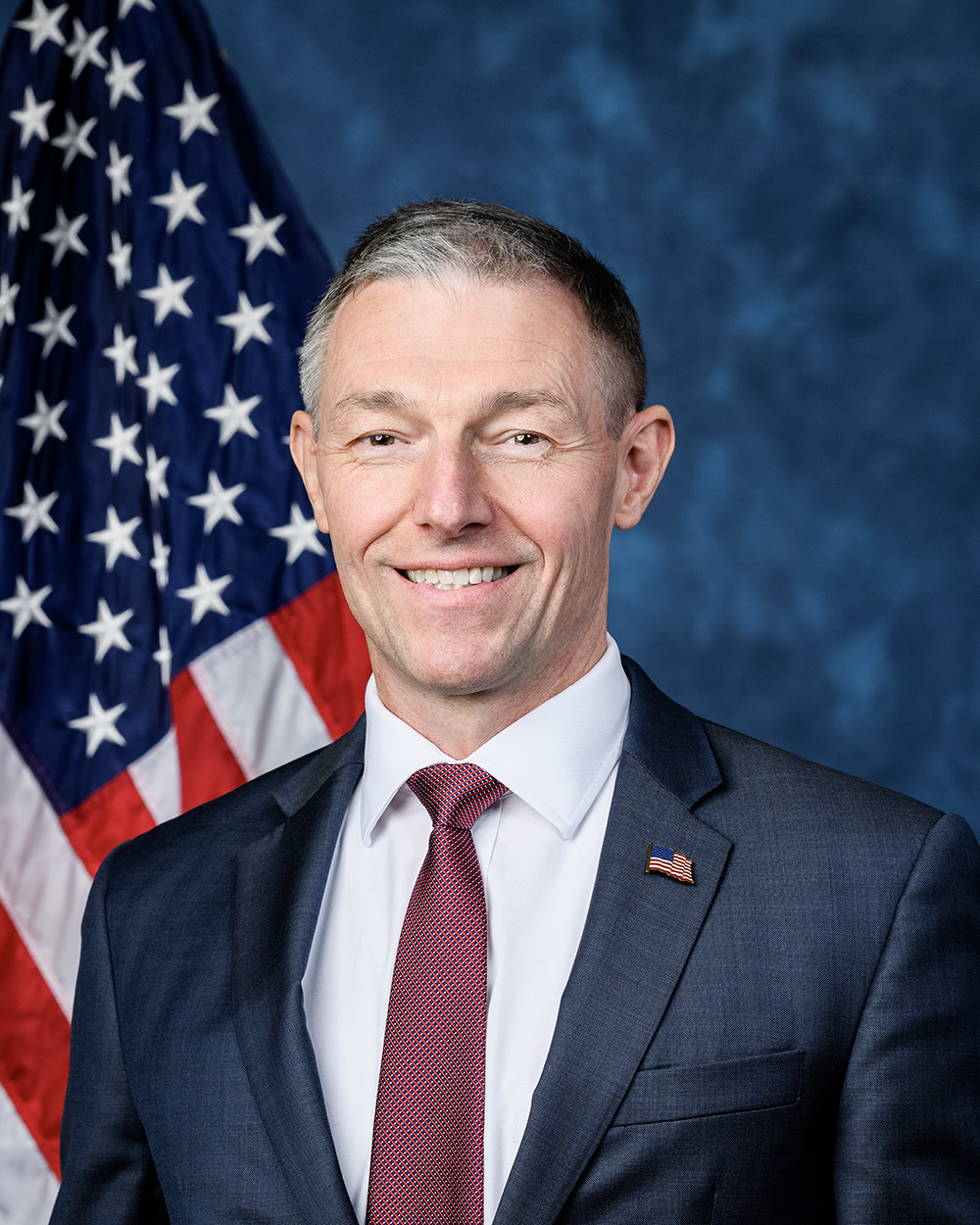
Rep. Mike Kennedy
Sponsored bills
Maddy summaryHR 685, the SAVE Moms and Babies Act of 2025, prohibits the FDA from approving new abortion drugs or allowing investigational use of existing ones. It restricts existing abortion drugs to in-person administration by certified healthcare providers in clinics or hospitals (not pharmacies), limits use to pregnancies under 70 days gestation, and requires providers to certify they can handle complications like severe bleeding or ectopic pregnancies. The bill mandates reporting of adverse events (such as hospitalizations or infections) to the FDA without patient identifiers and defines "abortion drug" broadly as any drug intended to terminate pregnancy, excluding specific medical exceptions. This directly affects FDA approval processes, healthcare providers prescribing these drugs, and drug manufacturers.
Maddy summaryHR 7 prohibits federal funds from being used for abortions or health insurance plans covering abortion, with exceptions for pregnancies resulting from rape, incest, or when a woman's life is endangered. It blocks federal premium tax credits under the Affordable Care Act for health plans covering abortion (except in specified cases) and requires clear disclosure of abortion coverage and related surcharges in plan materials. The bill allows individuals or employers to purchase separate abortion coverage using non-federal funds, such as out-of-pocket payments, without affecting federal subsidies. It directly affects federal health programs, ACA marketplace plans, and health insurance issuers offering coverage that includes abortion services.
Birthright Citizenship Act of 2025 This bill limits birthright citizenship by redefining what it means to be subject to the jurisdiction of the United States. Currently, a person born in the United States and subject to U.S. jurisdiction is entitled to citizenship. Under the bill, a person is subject to U.S. jurisdiction if he or she is born to a parent who is (1) a U.S. citizen or national, (2) a lawful permanent resident residing in the United States, or (3) a non-U.S. national ( alien under federal law) with a lawful immigration status who is performing active service in the Armed Forces. The bill does not affect the citizenship or nationality status of any person born before the bill's enactment date.
Maddy summaryThis bill amends U.S. immigration law to deny entry to noncitizens convicted of or admitting to certain violent crimes, and to make them deportable. It directly affects noncitizens who have been convicted of or admitted to sex offenses, domestic violence, stalking, child abuse/neglect, or violating protection orders involving threats of violence. Key provisions add these offenses as grounds for denying entry (inadmissibility) under Section 212(a)(2) and as grounds for deportation (deportability) under Section 237(a)(2). The law specifies that domestic violence and protection order violations are included regardless of whether the jurisdiction received specific federal grant funding.
Maddy summaryThis bill amends the Antiquities Act to require Congress, not the president, to authorize the creation or expansion of national monuments. It directly affects presidents and federal agencies by ending the current practice of presidentially designating monuments under the Antiquities Act. The key provision replaces the existing authority with a requirement for explicit congressional approval for any new monument or extension. This would change the legal process for establishing protected public lands, shifting decision-making power from the executive branch to Congress.
Maddy summaryHR 511 (AMERICANS Act) prevents the military from imposing new COVID-19 vaccine mandates without explicit congressional approval. It prohibits adverse actions like discharge or rank reduction against service members who refuse the vaccine based on personal reasons, and requires the military to reinstate separated members to their prior rank with back pay, expunge related records, and retain unvaccinated personnel equally. The bill also eliminates bonus repayment obligations for members separated over vaccine refusal and mandates equal professional development opportunities for unvaccinated service members. It directly affects military personnel impacted by prior vaccine mandates, focusing on policy changes rather than future outcomes.
Maddy summaryHR 404, the "Hearing Protection Act," reclassifies firearm silencers (devices that reduce gunfire noise) as firearms for federal tax and regulatory purposes. It imposes a 10% federal tax on silencers, requires the destruction of all existing federal silencer registration records within one year, and preempts state laws that tax or regulate silencers. The bill clarifies that silencers are treated as firearms under federal law, including for licensing and marking requirements, and defines "firearm silencer" to include specific components. Note: The bill’s title is misleading - it addresses firearm silencer regulation, not hearing protection for people.
Maddy summaryHR 376, the Historic Roadways Protection Act, prohibits the use of federal funds to finalize or implement specific travel management plans for certain areas in Utah during an ongoing legal period. The bill directly affects the Bureau of Land Management (BLM), blocking funding for 10 designated travel management areas (like the Henry Mountains and San Rafael Swell) and four specific plans (including the Indian Creek and San Rafael Desert plans) until all related R.S. 2477 legal cases are resolved. The restriction applies only to Utah lands and remains in effect from the bill's enactment until the Secretary of the Interior certifies the resolution of all 22 named legal cases. This is a funding prohibition, not a policy change to road access.
Maddy summaryHR 263, the Transnational Criminal Organization Illicit Spotter Prevention and Elimination Act, creates new federal criminal penalties for actions aiding criminal groups evading border controls. It makes it a crime to knowingly transmit law enforcement locations or movements to help with immigration, customs, or border-related crimes, punishable by fines or up to 10 years in prison. The bill also criminalizes damaging or tampering with border infrastructure like fences or sensors, with penalties increasing to 20 years if a firearm is involved. These provisions directly affect individuals assisting transnational criminal organizations in circumventing U.S. border security measures. The law aims to strengthen enforcement against those who undermine border control systems.