Maddy summaryThis bill cancels a 2016 rule requiring new truck drivers to complete specific training programs. It removes the Federal Motor Carrier Safety Administration's mandate for minimum training standards for entry-level commercial drivers. The repeal directly affects trucking companies and new drivers who would no longer need to follow these training requirements. The change eliminates a specific regulatory obligation without creating new policies or funding.
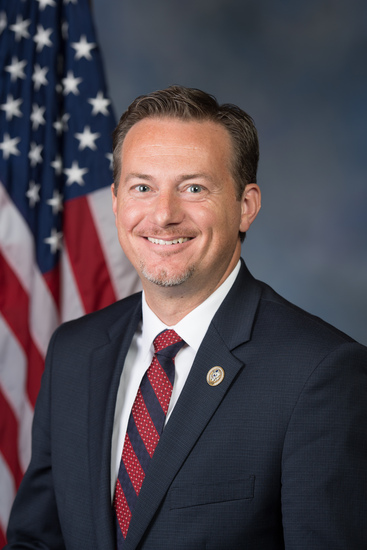
Rep. Michael Cloud
Sponsored bills
Maddy summaryThis bill prohibits the General Services Administration (GSA) from considering the legality or availability of abortion when acquiring, constructing, leasing, or entering into agreements for federal buildings or properties. It directly affects GSA's decisions regarding federal real estate, ensuring that such actions are not influenced by state abortion laws. The law amends specific sections of Title 40 (including building acquisition, construction, and leasing rules) to explicitly ban this consideration. It does not change abortion laws or apply to non-federal properties.
Maddy summaryThe Freeing Americans Detained Abroad Act requires the State Department to create a public website listing resources (like legal and medical assistance) for U.S. citizens detained or kidnapped overseas and their families. It mandates training for all overseas Foreign Service officers on identifying arbitrary detention cases, connecting families to aid, and coordinating with the Special Presidential Envoy for Hostage Affairs. Each diplomatic post must designate a "hostage affairs officer" to track cases, ensure monthly embassy meetings for detained citizens, provide legal/medical support, and manage a trust account for their needs. The bill also requires the State Department to report to Congress within 180 days on training completion, designated officers, and detention case numbers by country. This directly affects U.S. citizens held abroad and their families by standardizing and improving the government's response.
Maddy summaryHR 4398, the "Patriotism Not Pride Act," prohibits federal agencies from using taxpayer funds to support or promote Lesbian, Gay, Bisexual, Transgender, Queer, and Intersex (LGBTQ+) Pride Month activities, including events, communications, or educational programs. It also bans the display of any flag representing sexual orientation or gender identity on federal property or grounds. The bill applies to all federal agencies as defined in U.S. law and directly affects how agencies manage public communications and property. This is a procedural measure restricting specific federal activities, not a substantive policy change.
Maddy summaryHJRES 44 is a congressional resolution seeking to block a 2021 rule by the Bureau of Alcohol, Tobacco, Firearms, and Explosives (ATF). The rule classified firearms with stabilizing braces as "short-barreled rifles," which would have required additional licensing and regulation. This resolution uses a specific legal process (under Title 5, U.S. Code) to formally disapprove the ATF rule, meaning the rule would no longer be in effect. It directly affects firearm owners, manufacturers, and dealers who would have been subject to the rule’s requirements.
Maddy summaryHR 277 would require Congress to approve major federal regulations before they take effect. Major rules are defined as those with significant economic impact ($100 million+ annually), major cost increases for consumers or industries, or significant adverse effects on competition, employment, or innovation. Agencies must submit detailed information about these rules to Congress, including cost-benefit analyses, before they can take effect. Congress would have 70 session days to approve the rule with a joint resolution; if they don't act within that timeframe, the rule would not take effect. This would increase congressional oversight of federal regulations and require more detailed information about proposed rules before they become law.
Maddy summaryThis bill requires all U.S. flags displayed on federal property or purchased by federal agencies to be 100% made in the United States, meaning all materials and manufacturing must occur domestically. It directly affects federal agencies (including military departments, legislative/judicial branches, and U.S.-owned corporations) and their procurement of flags for display on government property. Key provisions include a 90-day implementation for new flag purchases and a 2-year phase-in for display requirements, with a separate mandate for the FTC to study and report on country-of-origin labeling enforcement for flags within one year. The bill does not apply to private entities or flags displayed off federal property.
Maddy summaryHR 1640, the Save Our Gas Stoves Act, prevents the Department of Energy from implementing energy efficiency standards for gas stoves that would make them unavailable in the U.S. market. It amends federal law to require that any new standard for gas stoves must not result in the unavailability of gas stove types, directly affecting gas stove manufacturers and consumers who rely on these appliances. The bill specifically blocks the implementation of the 2023 proposed rule (Energy Conservation Program: Energy Conservation Standards for Consumer Conventional Cooking Products) and any similar rule. This is a policy change focused on maintaining the availability of gas stoves by altering the criteria for energy standard approval.
Biden Time Act of 2023 This bill rescinds certain unobligated funds that were provided to address COVID-19 and for activities of the Internal Revenue Service (IRS). Specifically, the bill rescinds unobligated funds that were provided by the American Rescue Plan Act of 2021; the Coronavirus Preparedness and Response Supplemental Appropriations Act, 2020; the Families First Coronavirus Response Act; the Coronavirus Aid, Relief, and Economic Security Act (CARES Act); the Paycheck Protection Program and Health Care Enhancement Act; and Divisions M and N of the Consolidated Appropriations Act, 2021. The bill also rescinds specified unobligated funds that were provided for activities of the IRS by the Inflation Reduction Act of 2022.
Maddy summaryHR 3612, the "No ESG at TSP Act," prohibits the Thrift Savings Plan (TSP) - the federal retirement plan for government employees - from offering investment funds that use environmental, social, or governance (ESG) criteria in their investment decisions. It specifically bans mutual funds, ETFs, or other vehicles marketed with ESG criteria (such as climate policies, diversity metrics, or gun industry focus) from the TSP's "mutual fund window." The bill requires the TSP Board to remove existing ESG-linked funds within 90 days, notify participants about switching to non-ESG options, and automatically move unselected funds to a government securities fund. This directly affects federal employees and retirees who use the TSP for retirement savings.