

Maddy summaryHR 1266, the Combating Illicit Xylazine Act, adds xylazine - a veterinary sedative increasingly found in illicit drug mixtures - to Schedule III of the Controlled Substances Act, regulating its use and trafficking. It directly affects veterinarians, animal owners, and manufacturers by allowing xylazine to be legally dispensed for animal use under specific veterinary prescriptions, while prohibiting non-veterinary human use. The bill includes transition periods (60 days for practitioners, 1 year for labeling) to ease compliance for manufacturers and practitioners, and requires the DEA and FDA to expedite necessary applications. It also mandates two congressional reports on xylazine's illicit use and trafficking patterns, and directs the Sentencing Commission to review penalties for offenses involving xylazine.
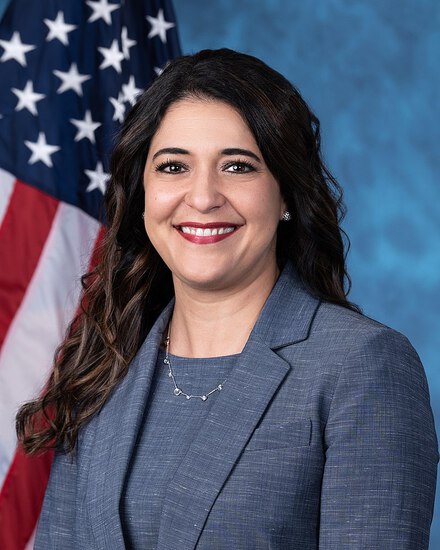
Rep. Stephanie I. Bice
Sponsored bills
Maddy summaryThis bill requires all new passenger vehicles manufactured for sale in the U.S. to include AM radio as standard equipment (not an optional add-on) by 2027-2028, depending on manufacturer size. It mandates that AM radio receivers must be easily accessible to drivers and allows compliance through digital AM broadcast technology. During a transition period, manufacturers must clearly label vehicles without AM radio but cannot charge extra for this feature. The bill also mandates a GAO study on AM radio's role in emergency alerts and includes a 10-year sunset provision for the rule. It preempts state laws regarding AM radio access in vehicles.
Maddy summaryThe Earth MRI Reauthorization Act of 2026 extends funding for the Earth Mapping Resources Initiative through fiscal year 2031. This program, managed by the U.S. Geological Survey, will support the collection and analysis of subsurface data using advanced technologies like modern sensing and digital geochemistry to map critical minerals and geothermal resources. The bill also updates the initiative's scope to include the 3D Hydrography Program and allocates $84 million for operations between 2027 and 2031.
Maddy summaryThe GPO Modernization Act of 2026 updates the operations and oversight of the Government Publishing Office to improve how federal documents are produced, distributed, and preserved. The bill redesigns the oversight committee from the Joint Committee on Printing to the Joint Committee on Publishing and expands the GPO's authority to manage digital content, accept gifts, and simplify procurement processes. It also establishes a National Collection of U.S. Government Public Information to ensure permanent, free public access to federal publications and modernizes rules for depository libraries to better serve communities with both physical and digital resources. Additionally, the legislation shifts the requirement for the Annotated Constitution from hardbound print versions to digital formats available online, starting after the October 2026 Supreme Court term.
Maddy summaryThis bill establishes a framework for the Department of the Interior to work with Indian Tribes and Tribal organizations to restore and manage buffalo populations on Indian lands. It authorizes the Secretary of the Interior to provide contracts, grants, and technical assistance to support tribal buffalo restoration programs, commercial buffalo activities, and mobile meat processing facilities. The legislation also requires ongoing consultation between the Department and tribes on buffalo management initiatives and ensures that culturally sensitive tribal information remains confidential. Additionally, the bill allows for the transfer of surplus buffalo from federal lands to Indian lands and explicitly preserves existing treaty rights of Indian Tribes, with all provisions set to expire seven years after enactment.
Maddy summaryThis bill changes federal permitting rules for oil and gas drilling on land where the federal government owns less than half the mineral rights beneath non-federal surface land. It requires operators to use a state permit instead of a federal drilling permit, removes federal environmental review requirements under NEPA and the Endangered Species Act, and allows operations to start 30 days after submitting the state permit. It does not affect royalty payments to the federal government or apply to Indian lands. The policy directly affects oil and gas operators working on non-federal surface estates with partial federal mineral ownership.
Maddy summaryHR 5267, the American Franchise Act, clarifies when franchisors can be considered joint employers of franchisee employees under federal labor laws. It defines "substantial direct and immediate control" over essential employment terms like wages, benefits, hours, hiring, and discipline - requiring franchisors to actively set these terms to be deemed joint employers. The bill explicitly excludes routine brand standards, training, or minimal safety requirements from constituting such control. This directly affects franchisors and franchisees by limiting joint employer liability to cases where franchisors exert significant, ongoing influence over core employment decisions. The law applies prospectively to new cases after enactment, not past disputes.
Maddy summaryThis House resolution commemorates the 50th anniversary of the first admission of women to the United States service academies in 1976. It specifically honors the pioneering female cadets and midshipmen of the Class of 1980 who entered West Point, Annapolis, the Air Force Academy, and the Coast Guard Academy. The bill recognizes the challenges these early women faced and their role in establishing gender integration within military training institutions. Additionally, it encourages the service academies to continue documenting and preserving the history of women's leadership in the Armed Forces.
Maddy summaryThis House resolution marks the 25th anniversary of the September 11, 2001 terrorist attacks by formally honoring the memory of the nearly 3,000 victims and recognizing the sacrifices made by first responders, military personnel, and the passengers of United Airlines Flight 93. The bill acknowledges the ongoing health challenges faced by survivors and responders, highlighting the role of the World Trade Center Health Program in providing long-term medical support. It also credits charitable organizations and community groups that have continued to assist victims' families and veterans over the past two decades. Finally, the resolution urges the American public to observe the anniversary with ceremonies and reaffirms Congress's commitment to remembering the events and lessons of that day.
Maddy summaryHR 10250, known as the No Preference Act, prohibits federal executive agencies and the Department of Defense from requiring or giving preference to contractors based on their use of union labor. The bill amends existing laws to ensure that government contract awards cannot be influenced by whether a company's workers are covered by collective bargaining agreements. This change directly affects federal procurement processes by mandating that offers be evaluated without regard to the labor status of the bidding firms.