

In committee Sep 24, 2026
1 co-sponsor
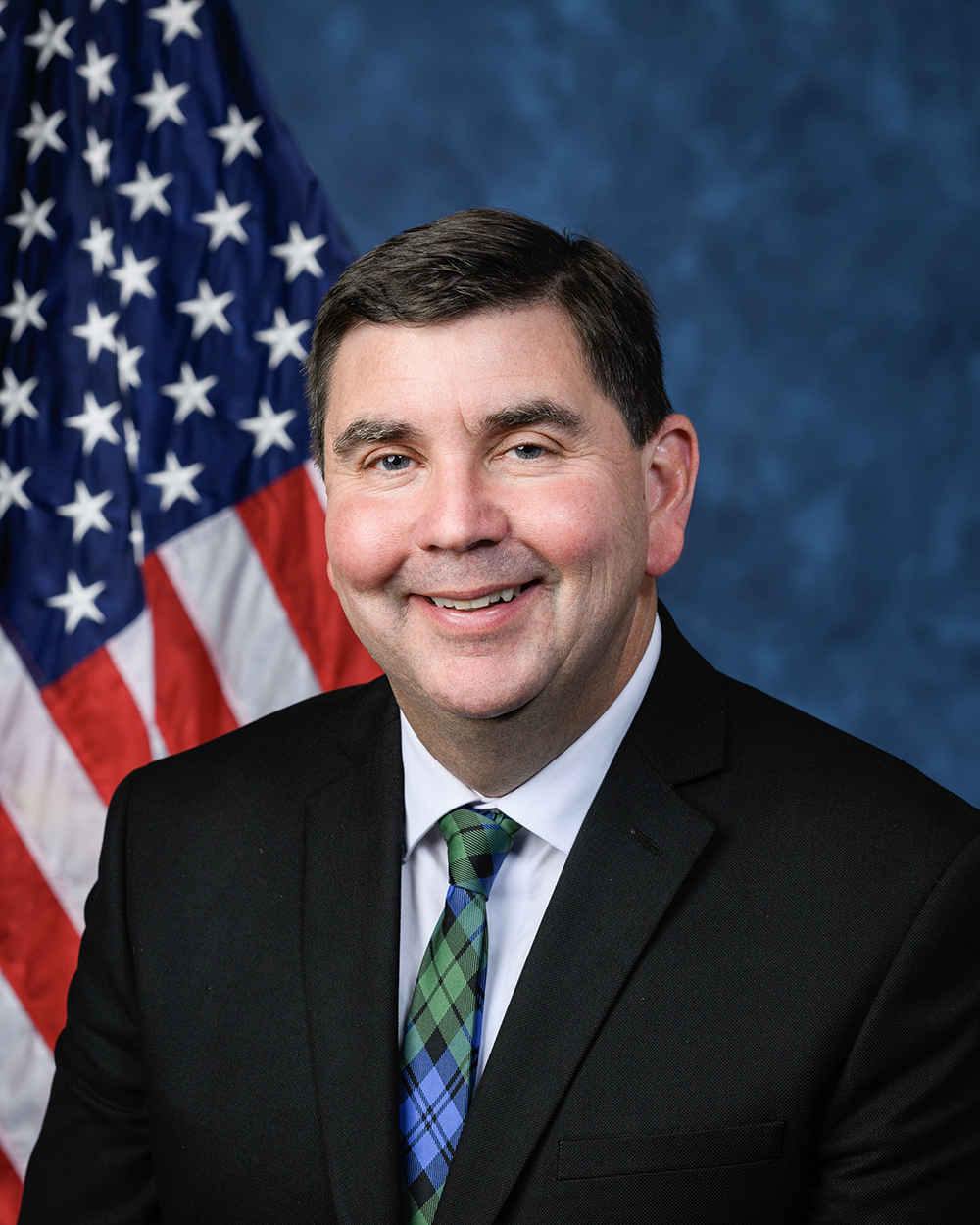
Rep. John W. Mannion
Total votes
669
all sessions
Attendance
99%
4 missed
Higher than 82% of chamber peers
With party
95%
of cast votes
Lower than 77% of chamber peers
Bipartisan score
3%
crosses aisle rarely
Higher than 76% of chamber peers
Sponsored
343
bills & resolutions
Near the chamber average
Committees
6
assignments
343 bills and resolutions
Sponsored bills
Total
343
Primary
10
Co-sponsor
333
This page
343
matching current filters
Science of Reading Act of 2026
Maddy summaryThe Science of Reading Act of 2026 amends the Elementary and Secondary Education Act to require states receiving federal literacy development grants to align their reading instruction with "science of reading" principles. It explicitly prohibits the use of the "three-cueing model" (a method teaching word recognition through pictures, context, or guessing) and defines science of reading as evidence-based instruction in phonics, phonemic awareness, vocabulary, and comprehension. States must describe this alignment in grant applications, and federal funds for literacy programs will only support initiatives meeting these standards. This directly affects states and school districts administering ESEA-funded literacy programs starting in 2026.
Passed Sep 17, 2026
1 co-sponsor
Expressing support for designation of the week of September 13 through 19, 2026, as "National Adult Education and Family Literacy Week".
Maddy summaryThis House resolution expresses support for designating the week of September 13 through 19, 2026, as National Adult Education and Family Literacy Week to raise public awareness about these programs. The bill cites data showing that a significant portion of U.S. adults lack basic literacy, numeracy, or English proficiency skills, which are described as essential for economic competitiveness and national security. It encourages partnerships among educators, employers, and community organizations to expand access to training in areas such as digital literacy and workforce preparation. Additionally, the resolution calls on public, private, and nonprofit entities to support these initiatives to help individuals achieve economic mobility and strengthen their families and communities.
In committee Sep 16, 2026
1 co-sponsor
Reverse Big Ugly Tax Breaks for Data Centers Act
Maddy summaryThe Reverse Big Ugly Tax Breaks for Data Centers Act removes specific tax incentives for large-scale data centers and artificial intelligence facilities. It excludes these facilities from bonus depreciation, a provision that currently allows businesses to deduct the full cost of certain equipment in the year it is purchased. Additionally, the bill prevents these properties from qualifying as opportunity zone business property, which would otherwise offer significant tax benefits for investments in designated areas. The legislation targets structures with a power capacity exceeding 50 megawatts that are dedicated to data storage, processing, or AI operations.
Budget & TaxesOpposes Budget & TaxesThe bill removes specific tax incentives for large-scale data centers and AI facilities, thereby limiting tax benefits for certain businesses.
TechnologyOpposes TechnologyThe bill removes tax incentives for data centers and AI facilities, which could hinder investment and development in the technology sector.
In committee Sep 16, 2026
1 co-sponsor
To require the Commissioner of U.S. Customs and Border Protection to link together applications of family members throughout the NEXUS application process, and for other purposes.
Maddy summaryThis bill requires the U.S. Customs and Border Protection Commissioner to connect applications for family members living in the same household during the NEXUS trusted traveler program process. Under the new rules, eligible relatives such as parents, children, and siblings can schedule interviews together and may choose to attend joint interviews, while children under 14 are exempt from appearing in person. The changes aim to streamline the application experience for families by allowing them to manage their travel credentials as a unit rather than submitting separate, disconnected requests.
Passed Sep 16, 2026
1 co-sponsor
Foreign Robocall Elimination Act
Maddy summaryHR 6152, the Foreign Robocall Elimination Act, establishes an interagency task force to address foreign robocalls entering the United States. The task force, composed of the FCC, FTC, DOJ, and private sector representatives, will study the origins, impacts, and potential solutions to foreign robocalls and must submit a report to Congress within 360 days. The bill also modifies existing law to require FCC notices about robocall mitigation every three years instead of annually, and introduces a bond requirement for providers using the Robocall Mitigation Database. This legislation affects telecommunications providers, federal agencies, and all U.S. telephone users who receive unwanted calls. The bill aims to improve coordination between U.S. agencies and foreign countries in combating illegal robocalls through concrete policy changes.
In committee Sep 16, 2026
1 co-sponsor
ASAP Act
Maddy summaryThis bill would require Medicare to cover early detection screening tests for Alzheimer's disease and related dementias starting January 1, 2028. It defines eligible tests as FDA-cleared genomic blood tests, blood product analyses, or equivalent medical imaging methods (like protein expression or whole genome sequencing) that detect pre-symptomatic or early-stage conditions. Medicare beneficiaries would receive this coverage without cost-sharing for these specific screenings. The bill amends Medicare coverage rules to explicitly include these tests under Section 1861(nnn) of the Social Security Act.
In committee Sep 16, 2026
1 co-sponsor
GUARD Act
Maddy summaryHR 2978, the GUARD Act, allows state, local, and tribal law enforcement agencies to use existing federal grant funds for investigating elder financial fraud, "pig butchering" investment scams, and general financial fraud. The bill directs these funds toward hiring specialized staff, training on blockchain tools and transnational fraud, purchasing investigative software, improving data collection, and creating financial sector liaisons to coordinate with banks. It requires annual reports from law enforcement on fund usage and outcomes, and mandates federal agencies to submit comprehensive reports to Congress on scam statistics, enforcement actions, and funding allocation. The legislation directly affects law enforcement agencies and aims to strengthen efforts against fraud targeting vulnerable populations, particularly elderly individuals.
Criminal JusticeSupports Criminal JusticeFunds specialized law enforcement for financial fraud investigations, strengthening investigative capacity within criminal justice enforcement.
TechnologySupports TechnologyFunds blockchain tools and cybersecurity training for fraud investigations, enhancing digital security measures.
Passed Sep 16, 2026
1 co-sponsor
AM Radio for Every Vehicle Act of 2025
Maddy summaryThis bill requires all new passenger vehicles manufactured for sale in the U.S. to include AM radio as standard equipment (not an optional add-on) by 2027-2028, depending on manufacturer size. It mandates that AM radio receivers must be easily accessible to drivers and allows compliance through digital AM broadcast technology. During a transition period, manufacturers must clearly label vehicles without AM radio but cannot charge extra for this feature. The bill also mandates a GAO study on AM radio's role in emergency alerts and includes a 10-year sunset provision for the rule. It preempts state laws regarding AM radio access in vehicles.
Passed Sep 16, 2026
1 co-sponsor
Critical Materials Future Act of 2025
Maddy summaryThe Critical Materials Future Act of 2025 directs the Department of Energy to establish a five-year pilot program that supports at least three domestic projects refining or recycling critical materials. The bill authorizes $750 million in funding and allows the use of innovative financial tools, such as price floors and contracts for difference, to stabilize markets and attract private investment. Projects are selected based on their potential to enhance national security and economic competitiveness, with priority given to those using domestic feedstock or sources from allied nations. The program includes a revolving fund to reinvest project revenues into new initiatives and requires the Department of Energy to publish a study evaluating the effectiveness of these financial mechanisms after the pilot concludes.
In committee Sep 15, 2026
1 co-sponsor
Ask Maddy
·
AI policy assistant
Ask Maddy about John W. Mannion
Scope: utah
Hi! I can help you understand John W. Mannion's legislative record. What would you like to know?
Try one of these
i
Maddy answers using official bill text and legislative records. Always verify before sharing.
Sources cited inline