

In committee Sep 24, 2026
1 co-sponsor
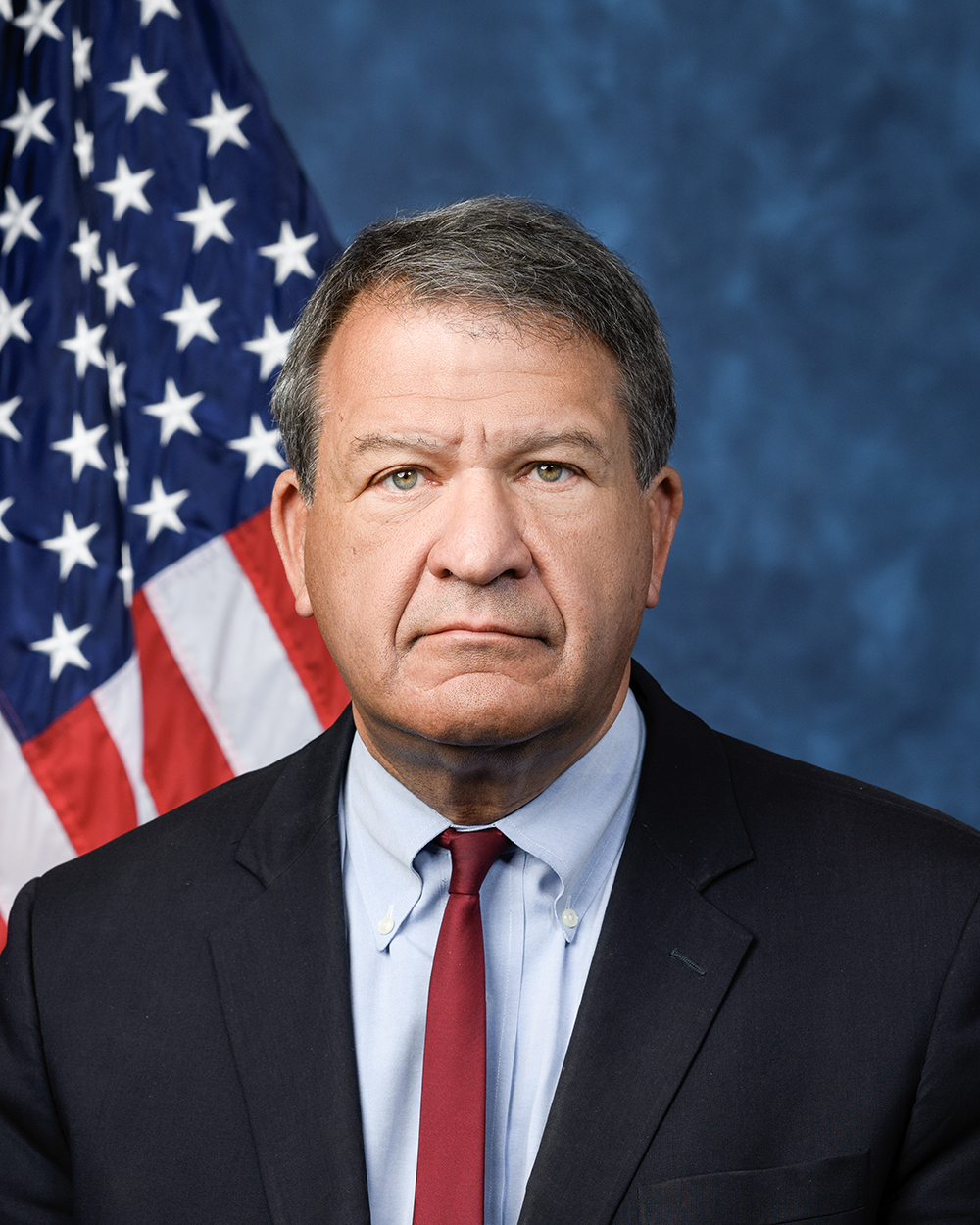
Rep. George Latimer
Total votes
669
all sessions
Attendance
98%
13 missed
Near the chamber average
With party
97%
of cast votes
Near the chamber average
Bipartisan score
2%
crosses aisle rarely
Near the chamber average
Sponsored
476
bills & resolutions
Higher than 79% of chamber peers
Committees
6
assignments
476 bills and resolutions
Sponsored bills
Total
476
Primary
10
Co-sponsor
466
This page
476
matching current filters
Environmental Health Restoration Act of 2026
Maddy summaryThe Environmental Health Restoration Act of 2026 mandates that the Environmental Protection Agency reinstate specific environmental regulations, including those governing greenhouse gas emissions from power plants and vehicles, within 60 days of enactment. The bill prohibits federal officials from delaying or weakening these protections without explicit congressional approval and requires the agency to base regulatory decisions on peer-reviewed science while restoring the use of a specific social cost of carbon value. Additionally, it directs the reinstatement of scientific advisory boards and environmental justice programs, requiring the agency to prioritize enforcement in communities facing disproportionate pollution burdens. To ensure compliance, the legislation authorizes approximately $10.9 billion in annual funding for enforcement activities and allows individuals adversely affected by non-compliance to sue the EPA administrator in federal court.
EnergySupports EnergyThe bill mandates the reinstatement of environmental regulations, including those governing greenhouse gas emissions from power plants and vehicles, which directly supports stricter energy-related environmental protections.
EnvironmentSupports EnvironmentThe bill mandates the reinstatement of environmental regulations, including those for greenhouse gas emissions, and prohibits weakening these protections without congressional approval, clearly advancing environmental protection.
In committee Sep 17, 2026
1 co-sponsor
Justice for Ukrainian Children Act
Maddy summaryThe Justice for Ukrainian Children Act directs the U.S. government to support efforts to locate and rescue Ukrainian children forcibly transferred by Russia, while imposing mandatory sanctions on foreign individuals who facilitate these transfers. The bill authorizes at least $15 million annually from fiscal years 2027 through 2032 to fund evidence collection, maintain a centralized database, and assist in the rehabilitation of affected children. It requires the President to block the assets and revoke the visas of any foreign person found to have knowingly participated in the abduction or indoctrination of Ukrainian minors, with limited exceptions for humanitarian aid and national security needs. Additionally, the legislation allocates $10 million annually to expand U.S. media broadcasting services in Ukraine and neighboring regions to counter disinformation.
Budget & TaxesSupports Budget & TaxesThe bill authorizes at least $15 million annually from fiscal years 2027 through 2032, directly impacting government spending and appropriations for a specific program.
Criminal JusticeSupports Criminal JusticeThe bill supports international efforts to address crimes against children, which aligns with broader criminal justice principles of accountability and victim support, although it is not domestic criminal justice reform.
In committee Sep 16, 2026
1 co-sponsor
Incentivizing Small Business Employee Retention Act of 2026
Maddy summaryThe Incentivizing Small Business Employee Retention Act of 2026 expands tax incentives for small businesses by extending the Work Opportunity Credit through September 30, 2030, and introducing a new multi-year credit structure. Under this enhanced provision, qualified small businesses can claim additional tax credits based on wages paid to employees in their second through fifth years of employment, with the credit percentage increasing from 50 percent to 100 percent over that period. The bill also doubles the annual deduction limit for expenditures made to remove architectural and transportation barriers for individuals with disabilities and older adults from $15,000 to $30,000, while explicitly including improvements to internet and telecommunications accessibility in this category. Additionally, the legislation requires the Treasury Department to submit annual reports to Congress through 2030 detailing the number of businesses using the new credit, their employee retention rates, and the overall fiscal impact of these changes.
Budget & TaxesSupports Budget & TaxesThe bill expands tax incentives for small businesses, which directly impacts the state budget and taxation policies by reducing the tax burden on these entities.
Labor & EmploymentSupports Labor & EmploymentThe bill incentivizes small businesses to retain employees through expanded tax credits, which indirectly supports stable employment and worker benefits by encouraging long-term hiring.
In committee Sep 16, 2026
0 co-sponsors
Cybersecurity for Small Businesses Act of 2026
Maddy summaryThe Cybersecurity for Small Businesses Act of 2026 directs the Small Business Administration, in partnership with federal cybersecurity agencies, to create and distribute resources that help small businesses improve their digital security practices. The bill specifically requires the administration to provide guidance on federal cybersecurity compliance standards to small companies seeking government contracts or subcontracting opportunities. This information must be made available through small business development centers, district offices, and the agency's website. Additionally, the Office of Advocacy is required to submit an annual report to Congress detailing how many small businesses have contacted them regarding cybersecurity issues.
In committee Sep 16, 2026
1 co-sponsor
Foreign Robocall Elimination Act
Maddy summaryHR 6152, the Foreign Robocall Elimination Act, establishes an interagency task force to address foreign robocalls entering the United States. The task force, composed of the FCC, FTC, DOJ, and private sector representatives, will study the origins, impacts, and potential solutions to foreign robocalls and must submit a report to Congress within 360 days. The bill also modifies existing law to require FCC notices about robocall mitigation every three years instead of annually, and introduces a bond requirement for providers using the Robocall Mitigation Database. This legislation affects telecommunications providers, federal agencies, and all U.S. telephone users who receive unwanted calls. The bill aims to improve coordination between U.S. agencies and foreign countries in combating illegal robocalls through concrete policy changes.
In committee Sep 16, 2026
1 co-sponsor
ASAP Act
Maddy summaryThis bill would require Medicare to cover early detection screening tests for Alzheimer's disease and related dementias starting January 1, 2028. It defines eligible tests as FDA-cleared genomic blood tests, blood product analyses, or equivalent medical imaging methods (like protein expression or whole genome sequencing) that detect pre-symptomatic or early-stage conditions. Medicare beneficiaries would receive this coverage without cost-sharing for these specific screenings. The bill amends Medicare coverage rules to explicitly include these tests under Section 1861(nnn) of the Social Security Act.
In committee Sep 16, 2026
1 co-sponsor
TRAPS Act
Maddy summaryThe TRAPS Act establishes a federal Task Force on Payment Scams, chaired by the Treasury Secretary, to coordinate efforts across agencies like the FTC, Federal Reserve, and consumer groups. The Task Force will study current scam tactics (such as fake text messages or fraudulent payment platforms), evaluate prevention strategies, and develop recommendations to help consumers avoid and report scams. It must submit an initial report within one year and annual updates, focusing on improving federal-state coordination and education programs. This bill directly affects government agencies and stakeholders participating in the Task Force, with the goal of protecting consumers from evolving payment scams.
In committee Sep 16, 2026
1 co-sponsor
GUARD Act
Maddy summaryHR 2978, the GUARD Act, allows state, local, and tribal law enforcement agencies to use existing federal grant funds for investigating elder financial fraud, "pig butchering" investment scams, and general financial fraud. The bill directs these funds toward hiring specialized staff, training on blockchain tools and transnational fraud, purchasing investigative software, improving data collection, and creating financial sector liaisons to coordinate with banks. It requires annual reports from law enforcement on fund usage and outcomes, and mandates federal agencies to submit comprehensive reports to Congress on scam statistics, enforcement actions, and funding allocation. The legislation directly affects law enforcement agencies and aims to strengthen efforts against fraud targeting vulnerable populations, particularly elderly individuals.
Criminal JusticeSupports Criminal JusticeFunds specialized law enforcement for financial fraud investigations, strengthening investigative capacity within criminal justice enforcement.
TechnologySupports TechnologyFunds blockchain tools and cybersecurity training for fraud investigations, enhancing digital security measures.
Passed Sep 16, 2026
1 co-sponsor
AM Radio for Every Vehicle Act of 2025
Maddy summaryThis bill requires all new passenger vehicles manufactured for sale in the U.S. to include AM radio as standard equipment (not an optional add-on) by 2027-2028, depending on manufacturer size. It mandates that AM radio receivers must be easily accessible to drivers and allows compliance through digital AM broadcast technology. During a transition period, manufacturers must clearly label vehicles without AM radio but cannot charge extra for this feature. The bill also mandates a GAO study on AM radio's role in emergency alerts and includes a 10-year sunset provision for the rule. It preempts state laws regarding AM radio access in vehicles.
Passed Sep 16, 2026
1 co-sponsor
Ask Maddy
·
AI policy assistant
Ask Maddy about George Latimer
Scope: utah
Hi! I can help you understand George Latimer's legislative record. What would you like to know?
Try one of these
i
Maddy answers using official bill text and legislative records. Always verify before sharing.
Sources cited inline