

Black History is American History Act This bill requires entities (e.g., institutions of higher education, libraries, and museums), in order to be eligible for certain grants administered by the Department of Education (ED), to include Black history in their teaching of American history. It also requires Black history to be included in tests administered by the National Assessment of Educational Progress (NAEP). Specifically, the bill mandates the inclusion of Black history as a required component of American history for such entities to be eligible for American History and Civics Academies' competitive grants. These grants support the establishment of (1) Presidential Academies for Teachers of American History and Civics, which offer workshops to teachers of American history and civics to strengthen their knowledge and prepare them to teach in these subjects; and (2) Congressional Academies for Students of American History and Civics, which support high school students in developing an understanding of these subjects. (Currently, Black history is not a required component of American history for either academy.) In addition, ED must give priority to grant applicants that align their activities with programs and resources of the Smithsonian Institution's National Museum of African American History and Culture. The bill also requires the inclusion of Black history in tests administered by the NAEP, which measures student academic achievement in various subjects.
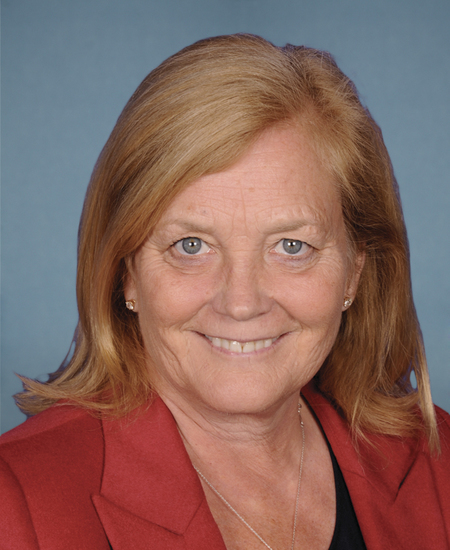
Rep. Chellie Pingree
Sponsored bills
Clean School Bus Act of 2021 This bill directs the Department of Energy (DOE) to establish the Clean School Bus Grant Program in the Office of Energy Efficiency and Renewable Energy. Under the program, DOE must award grants for the replacement of existing diesel school buses with electric buses.
Juneteenth National Independence Day Act This bill establishes Juneteenth Independence Day as a federal holiday.
Protecting LGBTQ Youth Act This bill expands programs that prevent and treat child abuse and neglect to address issues facing lesbian, gay, bisexual, and transgender youth. Specifically, these programs include (1) research and reporting requirements, (2) providing technical assistance, (3) grants to states and local agencies to train child-welfare personnel, and (4) community-based prevention-service grants, among others.
New Markets Tax Credit Extension Act of 2021 This bill makes the new markets tax credit permanent. It also modifies the credit to (1) provide for an inflation adjustment to the limitation amount for the credit after 2021, and (2) allow an offset against the alternative minimum tax for the credit (determined with respect to qualified equity investments initially made after 2020).
Living Donor Protection Act of 2021 This bill prohibits certain insurance carriers from discriminating against, and provides other protections for, living organ donors. Specifically, carriers may not deny, cancel, or otherwise impose conditions on policies for life insurance, disability insurance, or long-term care insurance based on an individual's status as a living organ donor. The bill also expressly specifies that recovery from organ-donation surgery constitutes a serious health condition that entitles eligible employees to job-protected medical leave. In addition, the Department of Health and Human Services must update educational materials on live organ donation to include information about the benefits of live organ donation and about access to insurance for living organ donors.
Electric Vehicles for Underserved Communities Act of 2021 This bill requires the Department of Energy (DOE) to support the deployment of electric vehicle charging infrastructure in underserved or disadvantaged communities. Specifically, DOE must establish an EV Charging Equity Program. Under the program, DOE must provide technical assistance and award grants to increase the deployment and accessibility of electric vehicle charging infrastructure in such communities. If practicable, DOE must ensure that relevant programs promote electric vehicle charging infrastructure, support clean and multimodal transportation, provide improved air quality and emissions reductions, and prioritize the needs of such communities.
Assuring You Uniform Dietary Assistance (AYUDA) Act of 2021 This bill makes the Commonwealth of the Northern Mariana Islands eligible to participate in the Supplemental Nutrition Assistance Program (SNAP, formerly known as the food stamp program).
Ending Corporal Punishment in Schools Act of 2021 This bill prohibits the Department of Education (ED) from providing funding to any educational agency or institution that allows its school personnel to inflict corporal punishment upon a student as a form of punishment or to modify undesirable behavior. First, the bill requires each state educational agency (SEA), in order to receive education funds, to submit to ED a state plan for eliminating the use of corporal punishment in schools. Additionally, the bill authorizes ED to award three-year grants to SEAs and, through them, subgrants to local educational agencies (LEAs) to assist them with improving school climate and culture. Grants must be used to implement school-wide positive behavioral intervention and support programs. Further, LEAs that receive subgrants must ensure that private school personnel are able to participate in grant activities. ED may also allocate funds to the Department of the Interior for schools operated or funded by Interior. Next, the bill directs ED to carry out a national assessment to determine compliance with the requirements of the bill and identify best practices for professional development and training programs. Finally, the bill gives protection and advocacy systems the authority to investigate, monitor, and enforce protections for students that are provided by the bill.
ABLE Age Adjustment Act This bill increases from 26 to 46 the age threshold for tax-favored ABLE (Achieving a Better Life Experience) accounts. (ABLE accounts are designed to enable individuals with disabilities to save for and pay for disability-related expenses. To establish an account, an individual must have a qualifying impairment that began before the individual attained the age threshold.)