Issue · Technology

Technology

Every technology bill, vote, and legislator stance in Utah, automatically classified by Maddy, our AI policy reader.

Total bills
12
2026 General Session
Top supporter
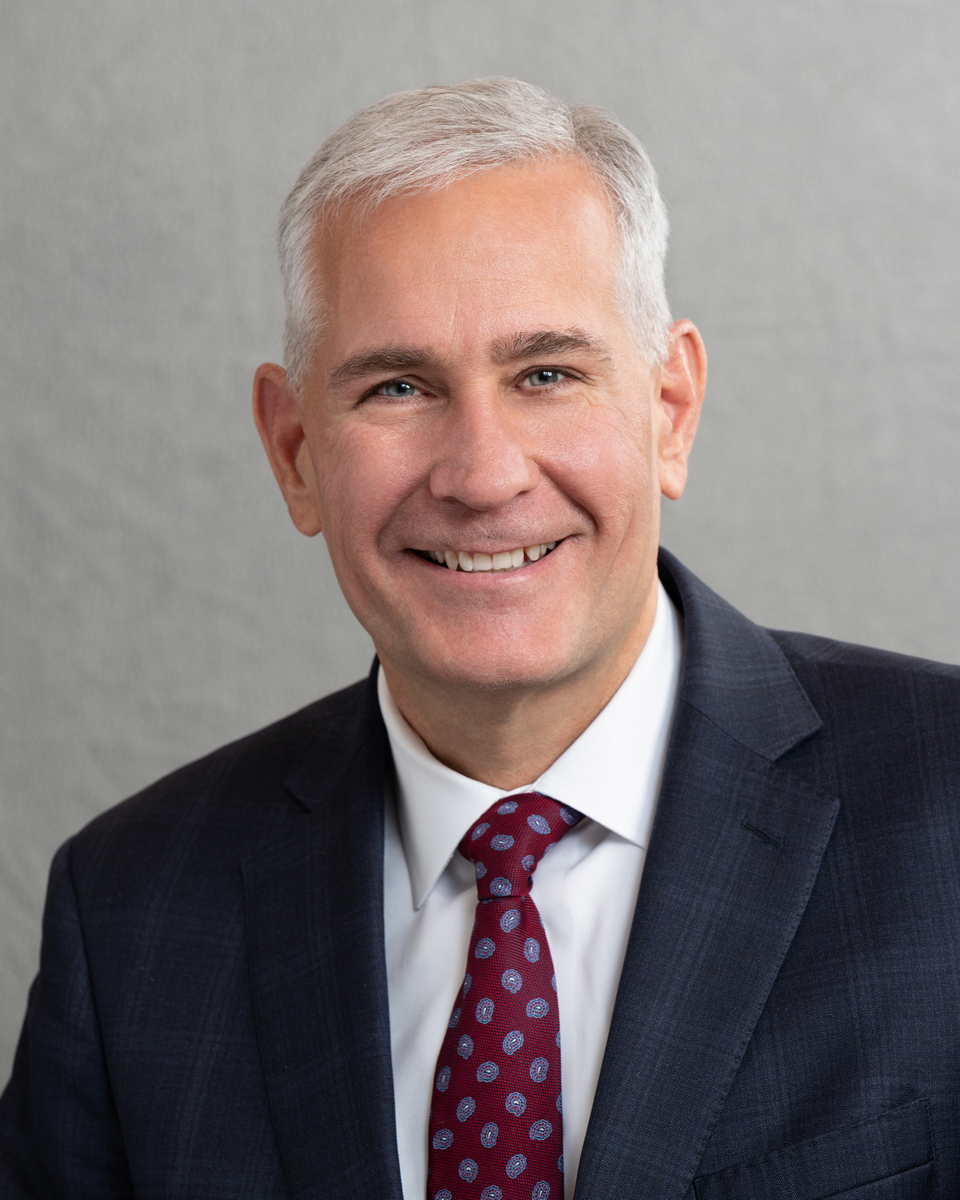
Nelson Abbott
83% support rate
Top opponent
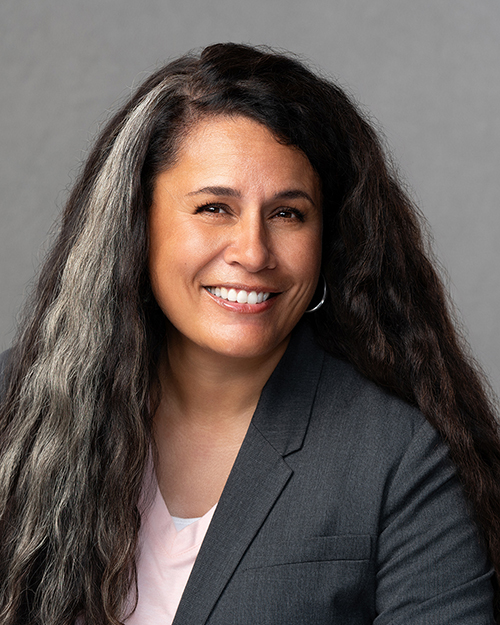
Leah Hansen
25% support rate
Ranked legislators
10
5 support · 5 oppose
Key legislators

Who's moving technology in Utah

Legislators moving technology in Utah
Legislator Party Stance Support rate Votes
Nelson Abbott
Nelson Abbott House · District 57
R
Strong +
83% 42
Jerry Stevenson
Jerry Stevenson Senate · District 6
R
Support
77% 62
Jake Sawyer
Jake Sawyer House · District 9
R
Support
75% 51
Tiara Auxier
Tiara Auxier House · District 4
R
Support
75% 48
Paul Cutler
Paul Cutler House · District 18
R
Support
75% 53
Leah Hansen
Leah Hansen House · District 51
R
Oppose
25% 51
Kathleen Riebe
Kathleen Riebe Senate · District 15
D
Oppose
27% 71
Grant Miller
Grant Miller House · District 24
D
Oppose
29% 53
Angela Romero
Angela Romero House · District 25
D
Oppose
29% 52
David Hinkins
David Hinkins Senate · District 26
R
Oppose
31% 74
Showing 11–12 of 12 bills

All technology bills

signed · Utah · Senate Mar 23, 2026

SB 162: Online Sales Tax Amendments

SB 162 adds a sales tax to online digital content, including subscription-based streaming services like Netflix or Spotify. It affects companies providing digital video/audio services and their customers who purchase these subscriptions. The bill clarifies that transactions already subject to a multi-channel video service tax remain exempt from this new tax. These changes update Utah's sales tax rules for digital services without requiring new state spending.
signed · Utah · Senate Mar 18, 2026

SB 88: School Technology Amendments

SB 88 amends Utah's public school internet policies to require school boards to adopt specific procedures. It directly affects public schools, parents, and students by mandating that school boards: (1) adopt policies restricting obscene content, (2) implement a parent-accessible monitoring system for student device activity, and (3) use a preapproved content filtering system when parents request it. The bill also requires school boards to review policies every three years and post them visibly in schools. It takes effect July 1, 2026, and does not appropriate new funding.
Showing 11 to 12 of 12 bills