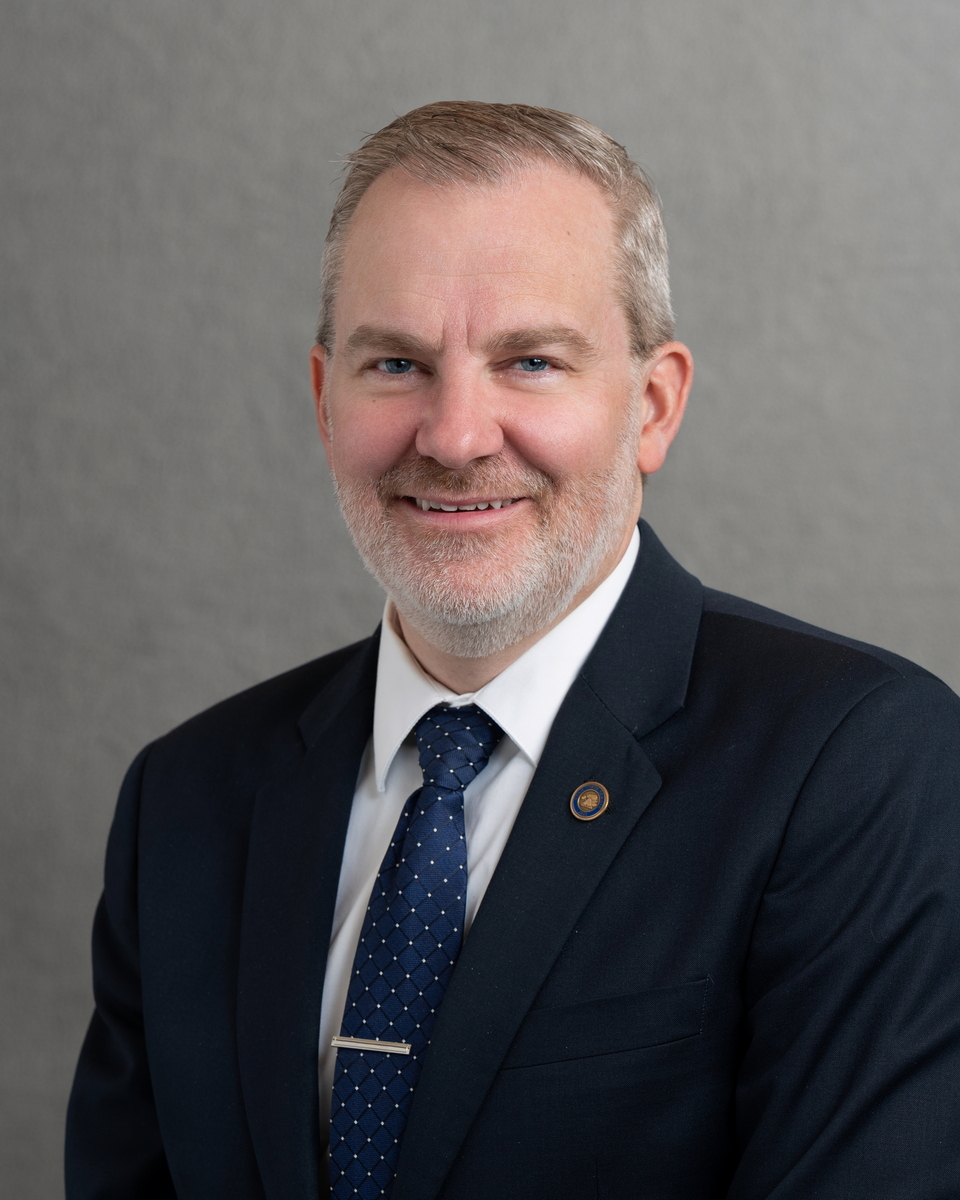
SB 174 allows health care providers, institutions, and payers in Utah to refuse participation in certain medical services (like pregnancy termination disposal) based on religious, moral, or ethical beliefs. It requires providers who refuse such services to notify their institution and prohibits retaliation, discrimination, or adverse actions against them for exercising this right. The bill also shields these individuals from civil, criminal, or administrative liability and mandates health care payers to disclose services they won’t cover due to conscience objections. It defines key terms like "conscience" and "adverse action" to clarify protections and enforcement mechanisms. The bill makes no changes to funding and applies to all covered health care entities under Utah law.
HB 471 amends Utah's Medicaid and SNAP programs to implement work requirements for certain adults (ages 19-64, not pregnant or disabled), stricter verification for income, residency, and citizenship, and new citizenship eligibility rules. It requires documented proof (not self-attestation) for enrollment and annual redeterminations, and mandates hospitals to collect immigration status during applications. The bill directly affects Medicaid applicants and recipients who do not qualify for existing exemptions, beginning October 1, 2026, for citizenship rules and January 1, 2027, for work requirements. It also requires annual reports on compliance rates and exemptions to state legislators.
HB 329 increases state employee paid leave for childbirth, adoption, and foster care. It extends postpartum recovery leave from 3 to 9 weeks and adds 9 weeks of paid leave for adopting children under six, plus 3 weeks for fostering children under six. School districts (LEAs) can apply for reimbursement through a new program if they implement similar paid leave policies for their employees, with $3 million appropriated for fiscal year 2027. The bill also updates the Breastfeeding Protection Act to include breast pump use and requires the Department of Human Resource Management to establish rules for administering these leave provisions.
HB 174 prohibits health care providers in Utah from administering cross-sex hormones or puberty blockers to minors after January 28, 2027, unless the minor was diagnosed with gender dysphoria before January 28, 2023. The bill amends Utah Code Section 58-1-603.1 to establish this ban, directly affecting minors seeking these treatments who do not meet the pre-2023 diagnosis requirement. It repeals a prior requirement for medical evidence reviews (Section 26B-1-239) and takes effect on May 6, 2026. The law applies to all minors under Utah's definition, with violations classified as unprofessional conduct for providers.
HB 193 prohibits Utah government entities from using public funds to pay for certain surgical procedures related to transitioning from one's biological sex (defined as primary or secondary sex characteristic procedures). It requires government insurance plans that previously covered such transition procedures before May 6, 2026, to offer equivalent coverage for procedures to reverse those changes ("detransitioning"), to the extent possible. The bill takes effect on May 6, 2026, and does not appropriate new funds or affect private insurance. It directly impacts state and local government agencies, school districts, and other public entities using public money for health coverage.