Issue · Criminal Justice

Criminal Justice (Law Enforcement)

Every criminal justice bill, vote, and legislator stance in Utah, automatically classified by Maddy, our AI policy reader.

Total bills
38
2026 General Session
Top supporter
Jen Dailey-Provost
100% support rate
Top opponent
Cheryl Acton
33% support rate
Ranked legislators
10
5 support · 5 oppose
Key legislators

Who's moving law enforcement in Utah

Legislators moving law enforcement in Utah
Legislator Party Stance Support rate Votes
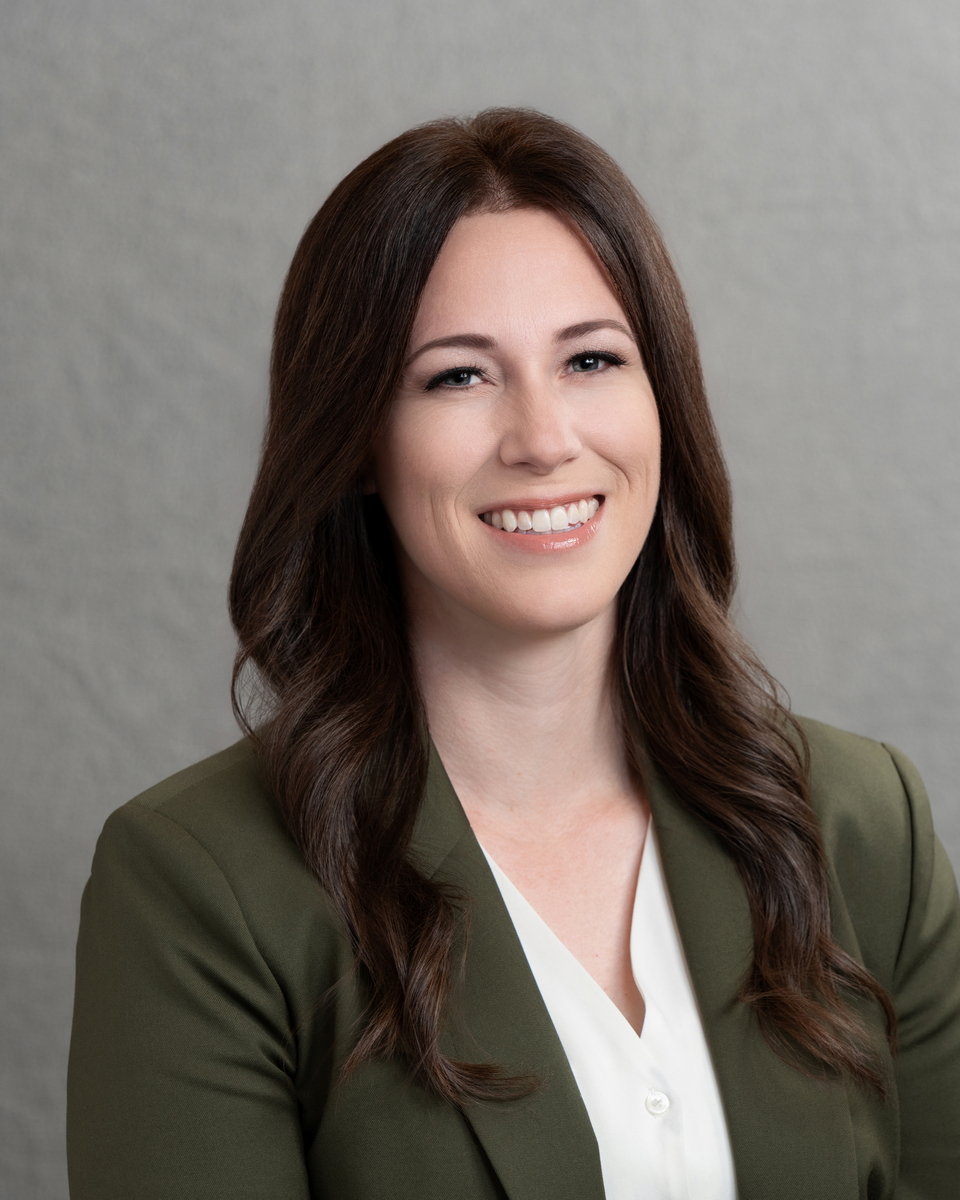
Jen Dailey-Provost
Jen Dailey-Provost House · District 22
D
Strong +
100% 3
Kirk Cullimore
Kirk Cullimore Senate · District 19
R
Strong +
100% 3
Lincoln Fillmore
Lincoln Fillmore Senate · District 17
R
Strong +
100% 3
Stephanie Pitcher
Stephanie Pitcher Senate · District 14
D
Strong +
80% 5
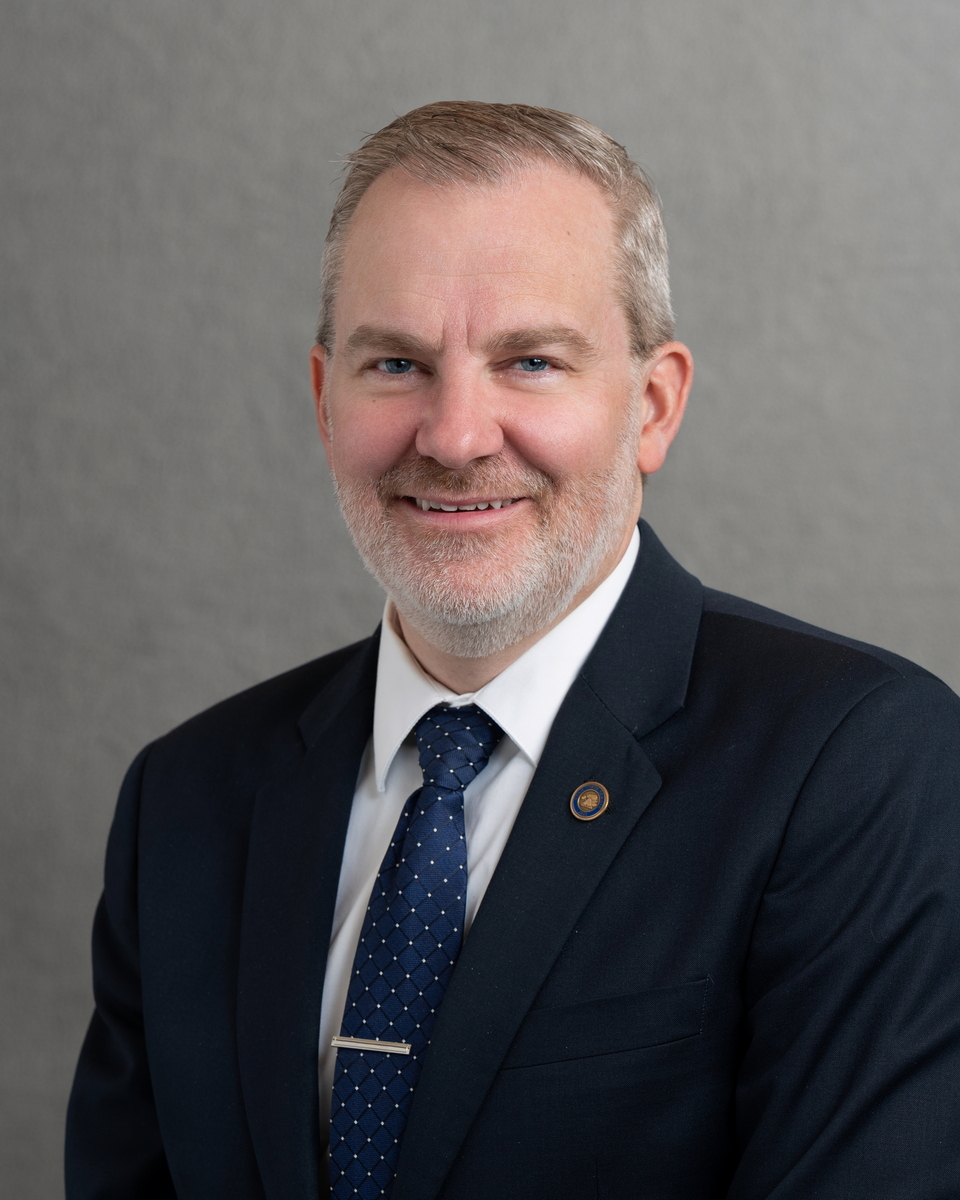
Dan McCay
Dan McCay Senate · District 18
R
Support
75% 4
Cheryl Acton
Cheryl Acton House · District 38
R
Oppose
33% 3
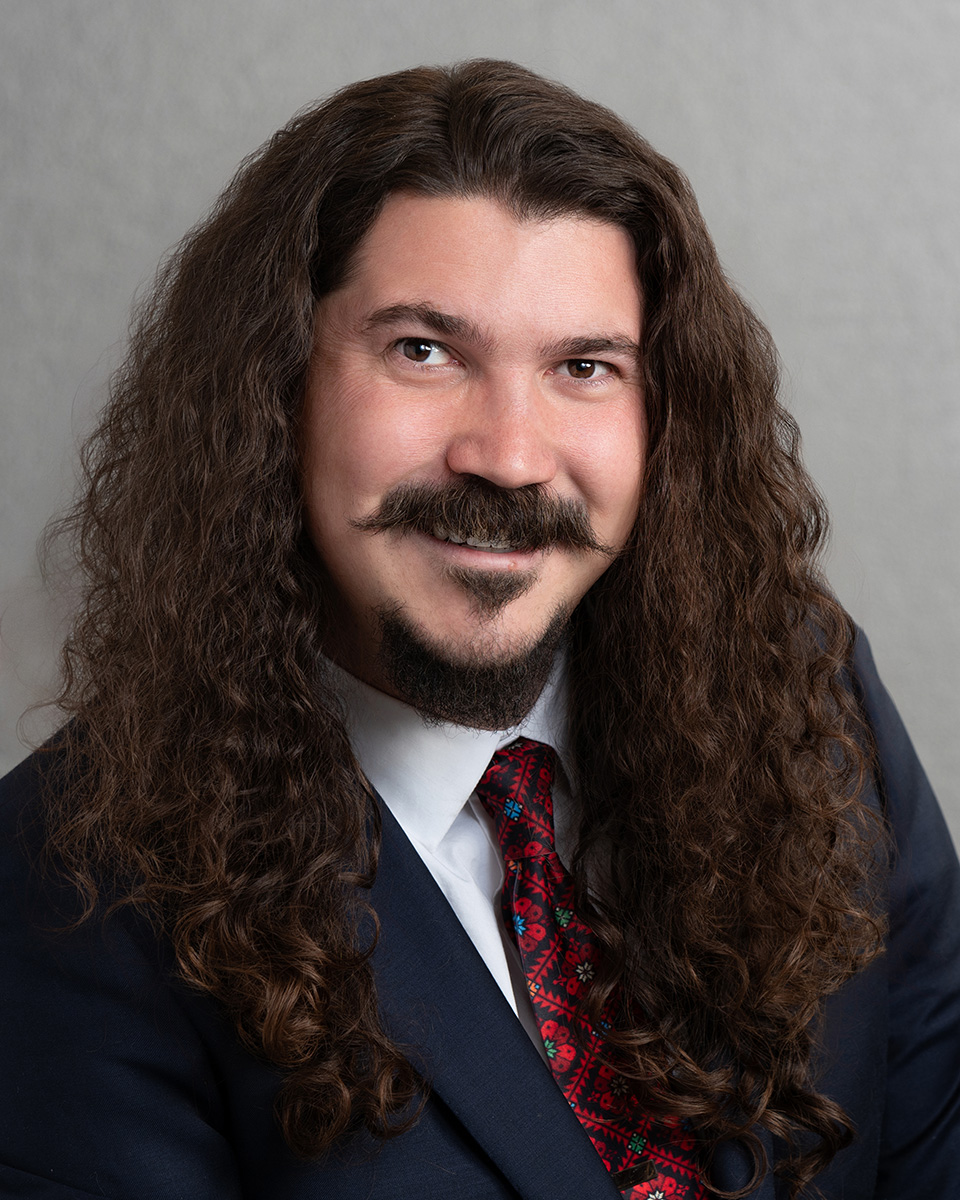
Grant Miller
Grant Miller House · District 24
D
Oppose
33% 3
Karianne Lisonbee
Karianne Lisonbee House · District 14
R
Oppose
33% 3
Leah Hansen
Leah Hansen House · District 51
R
Oppose
33% 3
Mike Petersen
Mike Petersen House · District 2
R
Oppose
33% 3
Showing 31–38 of 38 bills

All criminal justice bills

in committee · Utah · Senate Mar 7, 2026

SB 182: Attorney Admission to Jail Facilities Amendments

SB 182 requires Utah county sheriffs to permit licensed attorneys to enter jails for client meetings under specific conditions. Attorneys must be licensed in good standing and inform the sheriff of their intent to meet a prisoner who is their current/former client, prospective client, or someone relevant to a criminal case. Sheriffs must provide a private meeting space during standard hours (8 a.m.-5 p.m., Monday-Friday, excluding holidays), though special circumstances may allow exceptions. The bill also allows sheriffs to designate staff to handle these requests and mandates public posting of designee contact details. This directly affects attorneys seeking jail access and sheriffs managing facility entry protocols.
passed · Utah · House Mar 7, 2026

HB 49: Law Enforcement Salary Amendments

HB 49 requires the salary ranges and pay progression for law enforcement officers in Utah's Division of Natural Resources (DNR) to match those of peace officers in the Department of Public Safety, with similar experience and qualifications. This directly affects DNR law enforcement officers, ensuring their compensation aligns with comparable state law enforcement roles. The bill includes an exception allowing DNR leadership (majors and division directors) to have lower salary ranges than other division directors within the department. It makes technical updates to Utah Code Section 63A-17-110 and takes effect on May 6, 2026, with no new funding required.
Sub-Topics Law Enforcement
passed · Utah · House Mar 7, 2026

HB 39: Prison and Jail Standards Amendments

HB 39 requires county sheriffs and Utah's Department of Corrections to implement independent oversight systems for all county jails and state correctional facilities. Specifically, it mandates that every county jail under a sheriff's jurisdiction must operate under independently administered standards and undergo regular independent inspections, with the same requirement applying to state facilities managed by the Department of Corrections. These provisions apply directly to county sheriffs, jail operators, and the Department of Corrections, adding new inspection requirements on top of existing standards. The bill makes technical updates to Utah law without appropriating new funds or creating new programs.
signed · Utah · House Mar 25, 2026

HB 34: Victim Rights Amendments

HB 34 updates Utah's victim rights complaint procedures by creating a coordinator role within the State Commission on Criminal and Juvenile Justice. The coordinator receives and processes complaints about alleged violations of victim rights, forwards complaints to the appropriate judicial district committee, and ensures timely notifications to victims. Criminal justice agencies must now provide written policies for handling such complaints. This bill directly affects victims reporting rights violations, victim rights committees, and agencies like law enforcement, prosecutors, and corrections. No new funding is required for these administrative changes.
signed · Utah · House Mar 26, 2026

HB 89: Use of Polygraph Amendments

HB 89 prohibits law enforcement, prosecutors, and courts in Utah from requiring victims of sexual offenses to take polygraph exams during criminal investigations or prosecutions. The bill explicitly states that victims cannot be forced to undergo such exams, and their refusal cannot block an investigation or case from moving forward. It defines "polygraph examination" as any lie detector test measuring physiological responses to assess truthfulness. This law directly affects sexual offense victims in Utah by protecting them from potentially retraumatizing interrogation tactics during criminal proceedings. The policy change takes effect on May 6, 2026.
signed · Utah · Senate Mar 23, 2026

SB 27: Assault or Threat of Violence Amendments

SB 27 amends Utah law to expand protections for peace officers and military service members against assault or threats of violence. It separates offenses into two distinct categories: one for peace officers (including off-duty officers and their families if the attack was due to their status) and another for military members (including off-duty members, those not in uniform, and their families under similar circumstances). The bill clarifies definitions, such as "family member" and "peace officer," and updates related code sections to reflect these changes. These amendments aim to strengthen legal safeguards for these groups without altering existing penalty structures.
signed · Utah · House Mar 26, 2026

HB 110: Offender Modifications

HB 110 modifies Utah's Board of Pardons and Parole procedures to clarify how the board handles parole and pardon decisions. It requires the board to notify law enforcement, prosecutors, courts, and victims about hearings; prohibits considering prison capacity or bed availability when deciding parole; and mandates offenders complete required treatment programs before parole. The bill also sets specific time limits for sex offenders seeking pardons (10 years for 10-year registrations, 20 years for lifetime registrations) and bars re-paroling offenders charged with violent felonies during prior parole. Additionally, it restricts offenders from reproducing victim statements while requiring them to view such statements in designated locations.
signed · Utah · House Feb 27, 2026

HB 11: Dyed Diesel Fuel Search Amendments

HB 11 amends Utah’s law regarding searches for dyed diesel fuel violations. It clarifies that government officials (including law enforcement) may only inspect a vehicle’s fuel for such violations if they have probable cause, the vehicle owner’s consent, or are conducting a search at a port-of-entry. Crucially, the bill states that simply observing a diesel-powered vehicle on a highway does not create sufficient probable cause for an inspection. This change directly affects law enforcement officers and vehicle owners by setting clear limits on when fuel inspections can occur. The amendment does not alter the underlying prohibition on using dyed diesel on highways or the associated penalties.
Sub-Topics Law Enforcement
Showing 31 to 38 of 38 bills
Previous 1 2 3 4