Issue · Criminal Justice

Criminal Justice (Corrections)

Every criminal justice bill, vote, and legislator stance in Utah, automatically classified by Maddy, our AI policy reader.

Total bills
24
2026 General Session
Top supporter
Anthony Loubet
100% support rate
Top opponent
Carol Moss
0% support rate
Ranked legislators
10
5 support · 5 oppose
Key legislators

Who's moving corrections in Utah

Legislators moving corrections in Utah
Legislator Party Stance Support rate Votes
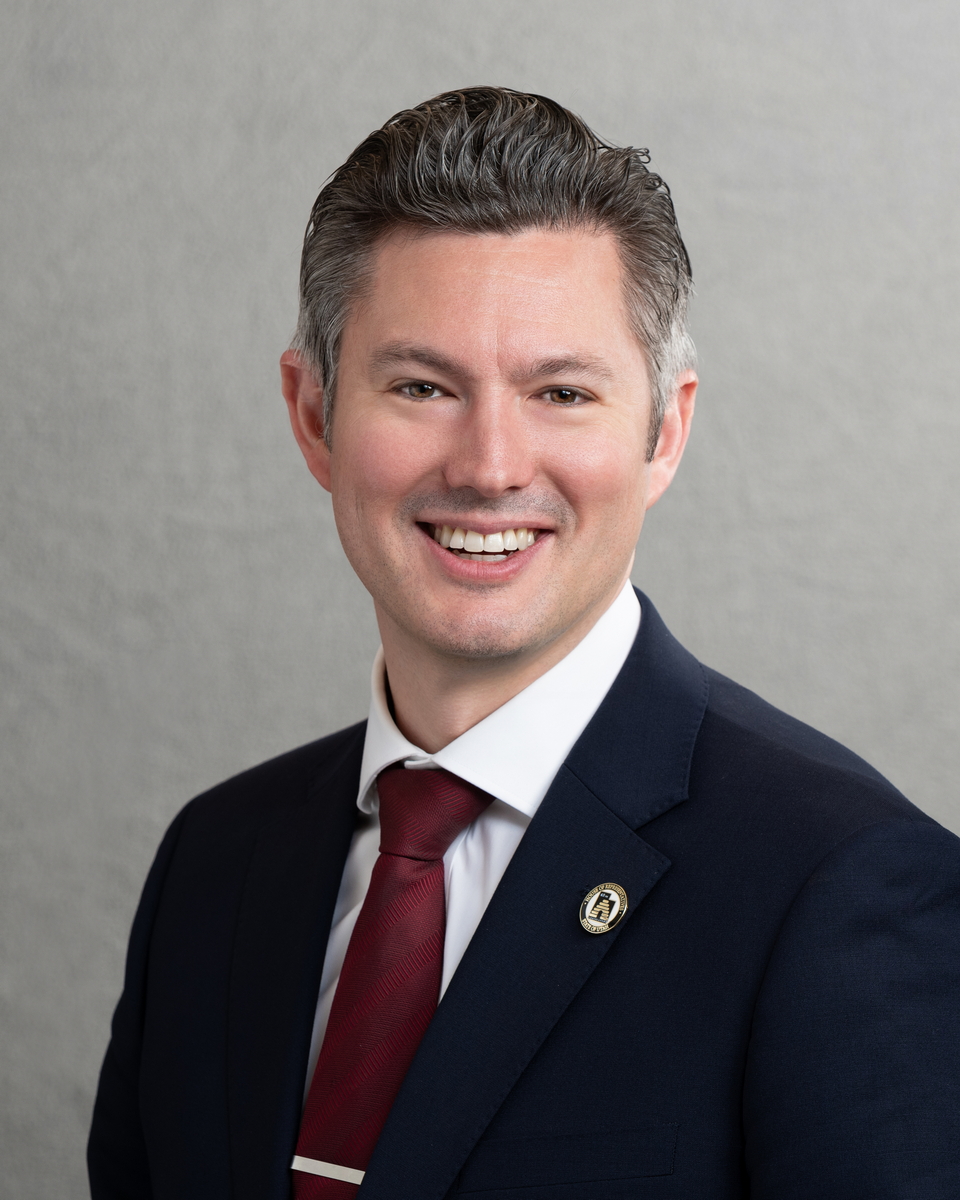
Anthony Loubet
Anthony Loubet House · District 27
R
Strong +
100% 4
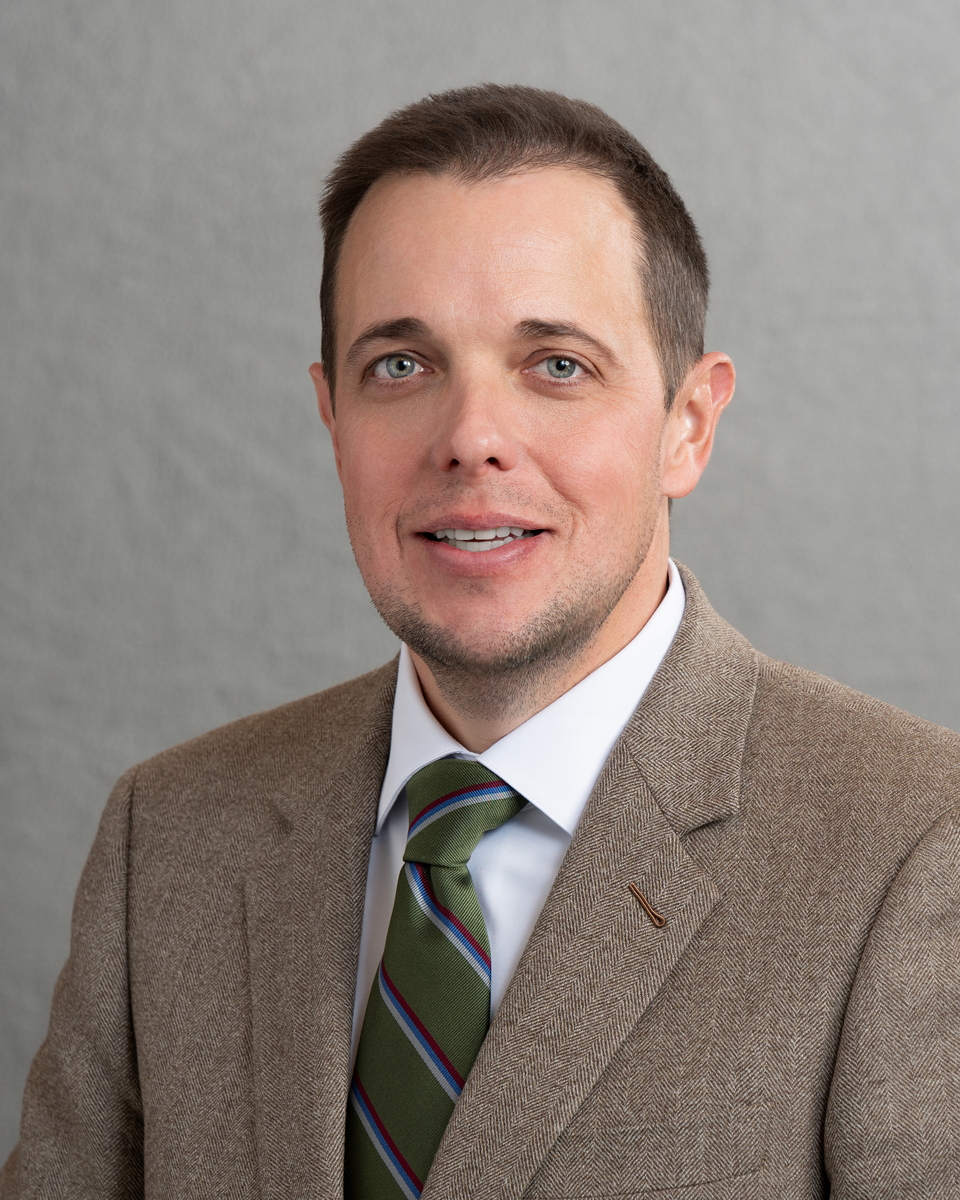
Bridger Bolinder
Bridger Bolinder House · District 29
R
Strong +
100% 4
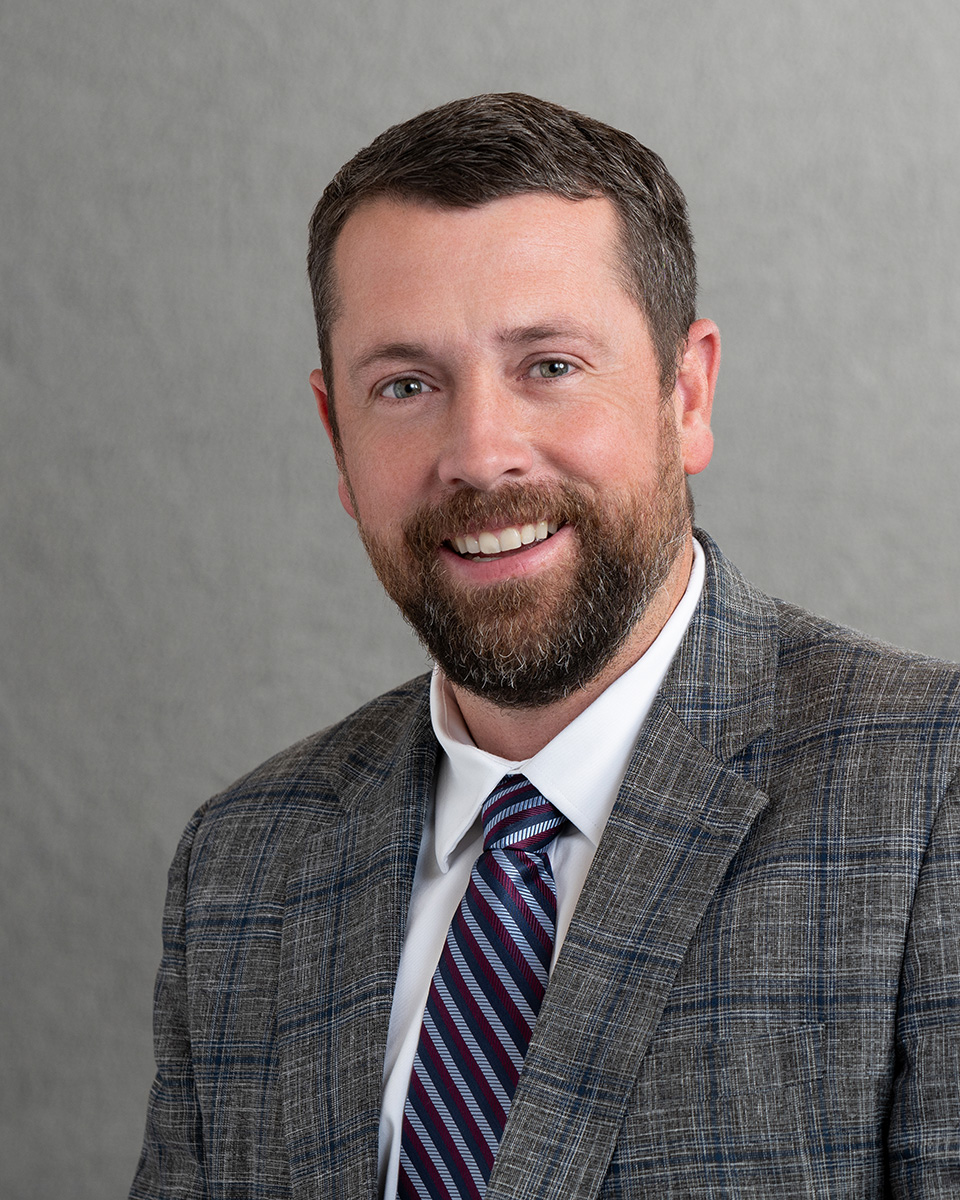
Casey Snider
Casey Snider House · District 5
R
Strong +
100% 4
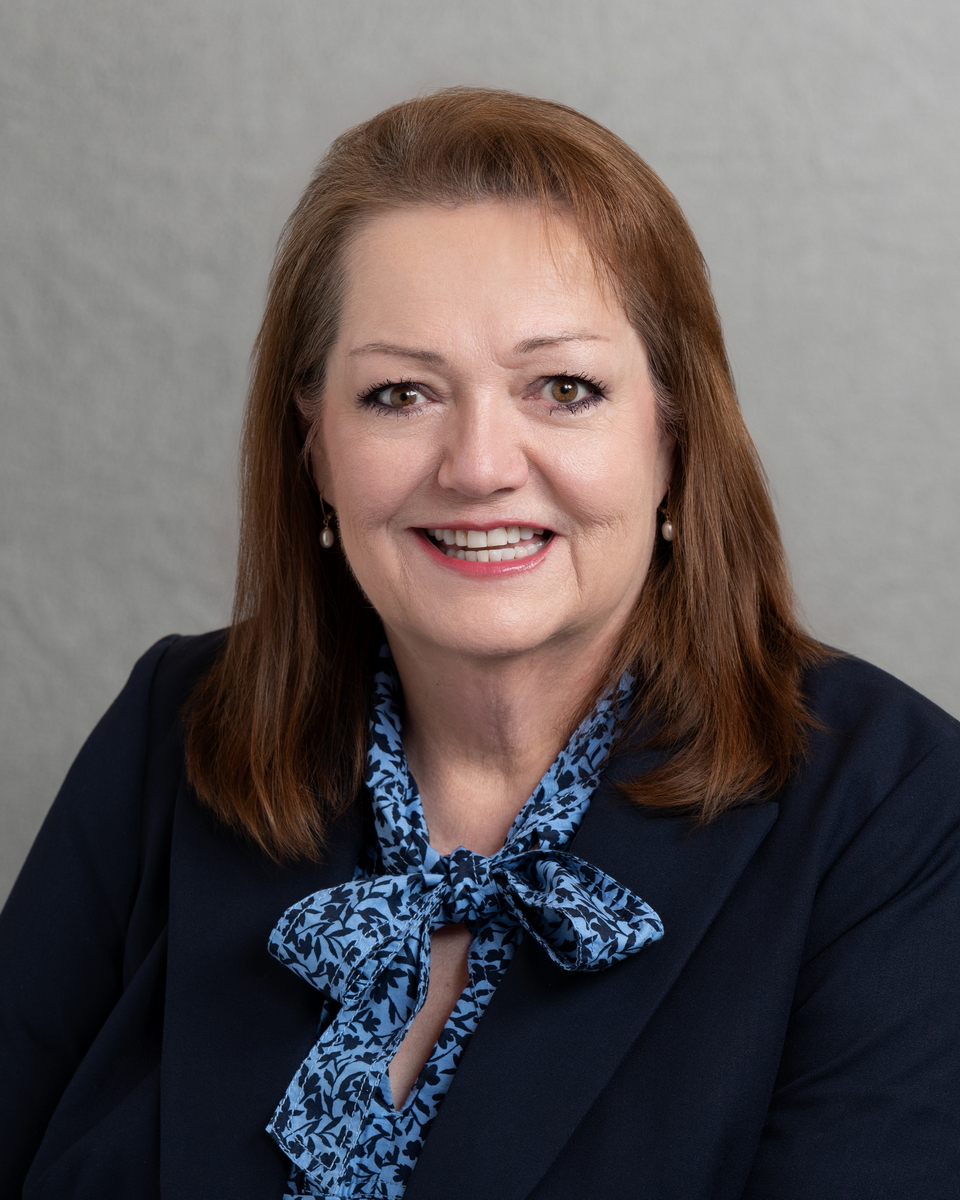
Cheryl Acton
Cheryl Acton House · District 38
R
Strong +
100% 4
Christine Watkins
Christine Watkins House · District 67
R
Strong +
100% 4
Carol Moss
Carol Moss House · District 34
D
Strong −
0% 4
Doug Owens
Doug Owens House · District 33
D
Strong −
0% 4
Grant Miller
Grant Miller House · District 24
D
Strong −
0% 4
Hoang Nguyen
Hoang Nguyen House · District 23
D
Strong −
0% 4
Jake Fitisemanu
Jake Fitisemanu House · District 30
D
Strong −
0% 4
Showing 21–24 of 24 bills

All criminal justice bills

signed · Utah · House Mar 25, 2026

HB 48: Criminal and Juvenile Justice Changes

HB 48 updates Utah's definitions and reporting requirements for recidivism in both adult and juvenile justice systems. It broadens how "recidivism" is measured to include misdemeanor arrests involving force (not just prison returns) and defines juvenile recidivism for data reporting. The bill removes the ban on placing minors in adult correctional facilities as an alternative to detention and allows prosecutors to request changes to where minors tried as adults are housed. These changes affect the State Commission on Criminal and Juvenile Justice, the Department of Corrections, and juvenile justice programs by requiring updated data collection methods and reporting standards.
signed · Utah · House Mar 26, 2026

HB 122: Pregnant and Postpartum Inmate Amendments

HB 122 requires Utah correctional facilities to report the number of pregnant inmates and inmates who are parents of minor children. It extends postpartum recovery care to 12 weeks, prohibits restraints during this period without specific security justification, and increases social worker access from six to 12 weeks to help inmates arrange childcare, plan family reunification, and access substance abuse treatment if needed. The bill also clarifies that facilities must provide postpartum medical care for 12 weeks after childbirth. These changes directly affect pregnant and postpartum incarcerated individuals in Utah state prisons and county jails.
passed · Utah · House Mar 7, 2026

HB 114: Adult-oriented Performance and Material Amendments

HB 114 reorganizes Utah's laws on adult performances and materials by creating new standalone criminal offenses. It moves conduct like presenting pornographic performances in public places, aiding minors in such performances, and harmful performances near minors into separate charges, rather than grouping them under existing "distributing material" offenses. Penalties now vary by the actor's age (third-degree felony for adults, misdemeanors for minors), with specific fines and jail terms. The bill clarifies existing prohibitions - such as on school property or harmful material - without introducing new restrictions.
Sub-Topics Corrections
signed · Utah · House Mar 26, 2026

HB 110: Offender Modifications

HB 110 modifies Utah's Board of Pardons and Parole procedures to clarify how the board handles parole and pardon decisions. It requires the board to notify law enforcement, prosecutors, courts, and victims about hearings; prohibits considering prison capacity or bed availability when deciding parole; and mandates offenders complete required treatment programs before parole. The bill also sets specific time limits for sex offenders seeking pardons (10 years for 10-year registrations, 20 years for lifetime registrations) and bars re-paroling offenders charged with violent felonies during prior parole. Additionally, it restricts offenders from reproducing victim statements while requiring them to view such statements in designated locations.
Showing 21 to 24 of 24 bills