Issue · Criminal Justice

Criminal Justice (Corrections)

Every criminal justice bill, vote, and legislator stance in Utah, automatically classified by Maddy, our AI policy reader.

Total bills
24
2026 General Session
Top supporter
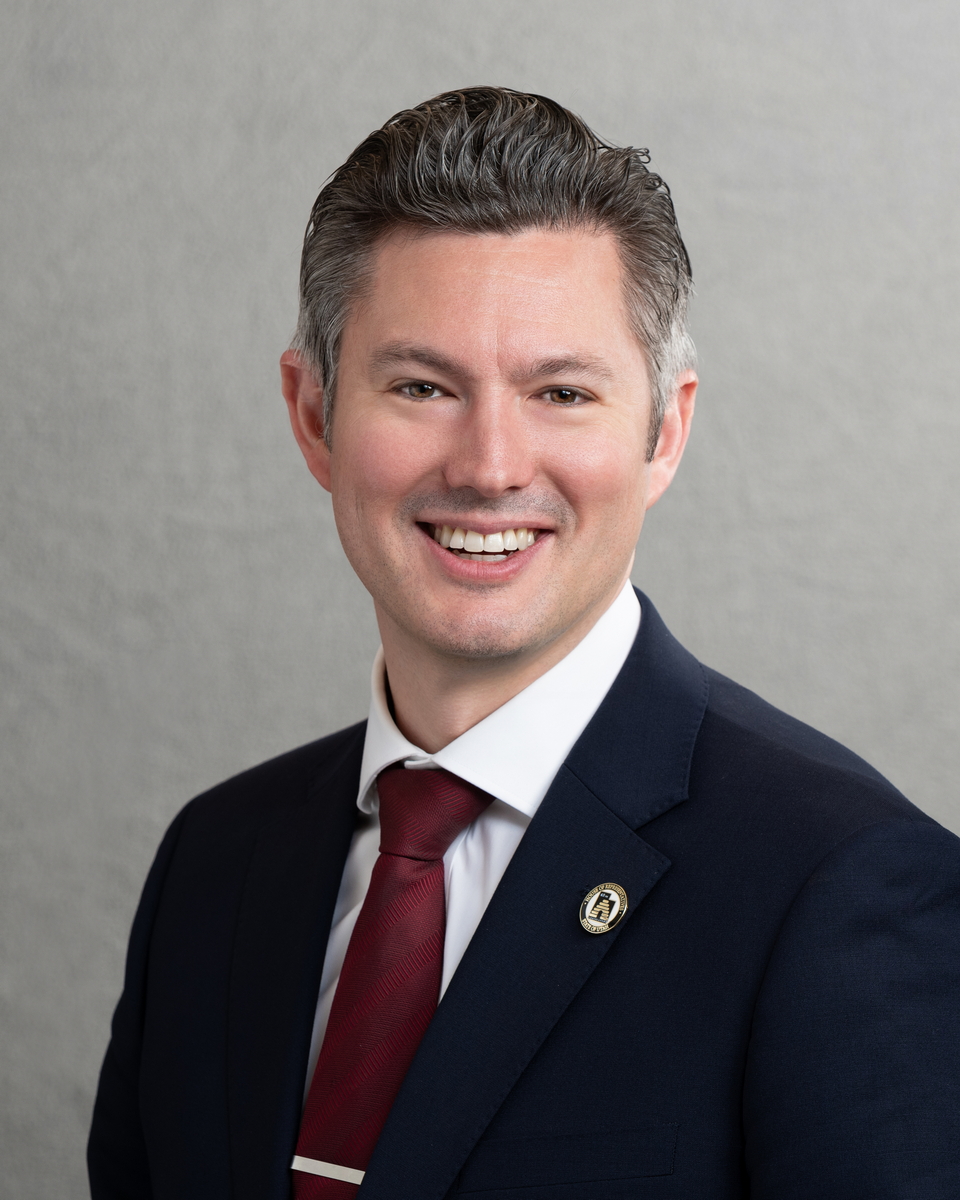
Anthony Loubet
100% support rate
Top opponent
Carol Moss
0% support rate
Ranked legislators
10
5 support · 5 oppose
Key legislators

Who's moving corrections in Utah

Legislators moving corrections in Utah
Legislator Party Stance Support rate Votes
Anthony Loubet
Anthony Loubet House · District 27
R
Strong +
100% 4
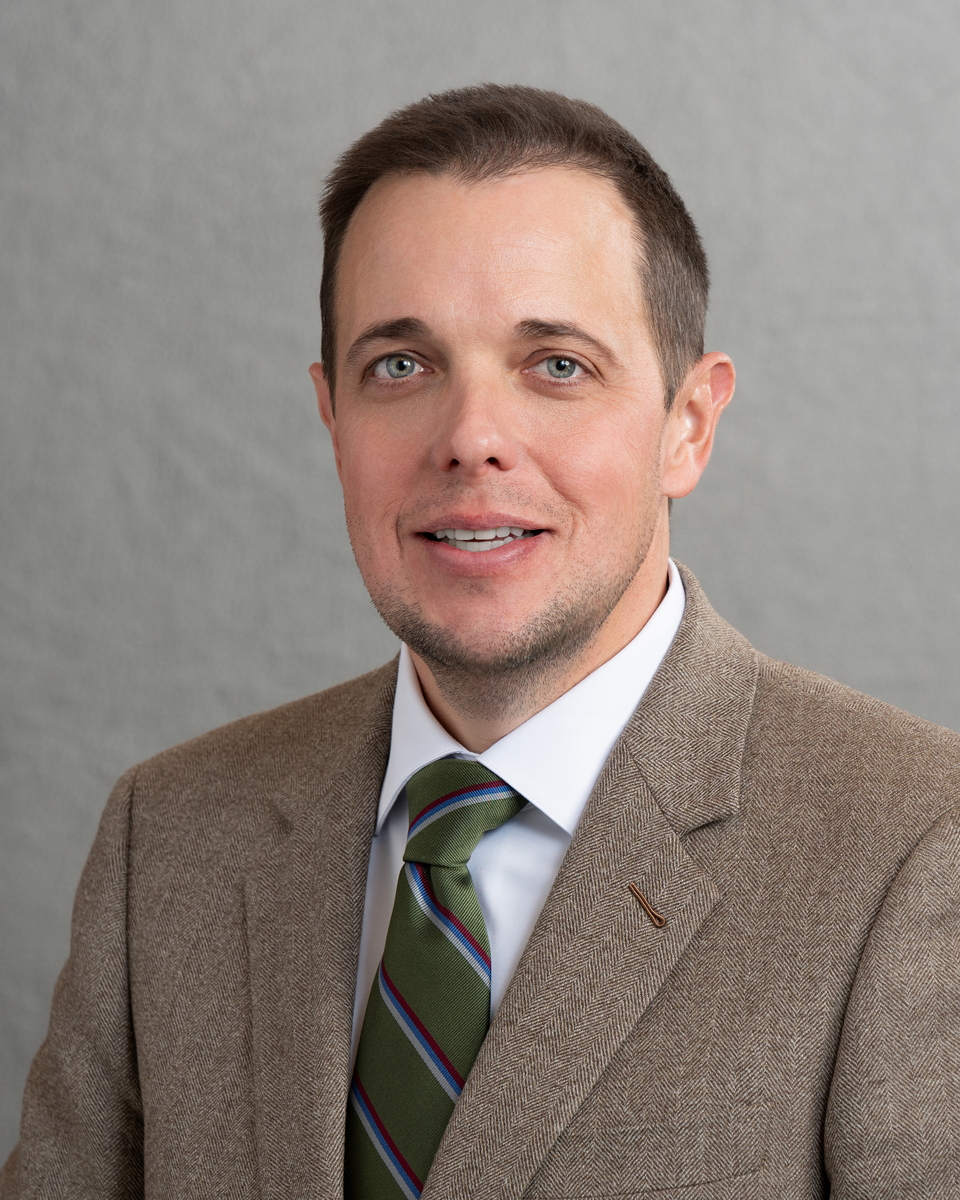
Bridger Bolinder
Bridger Bolinder House · District 29
R
Strong +
100% 4
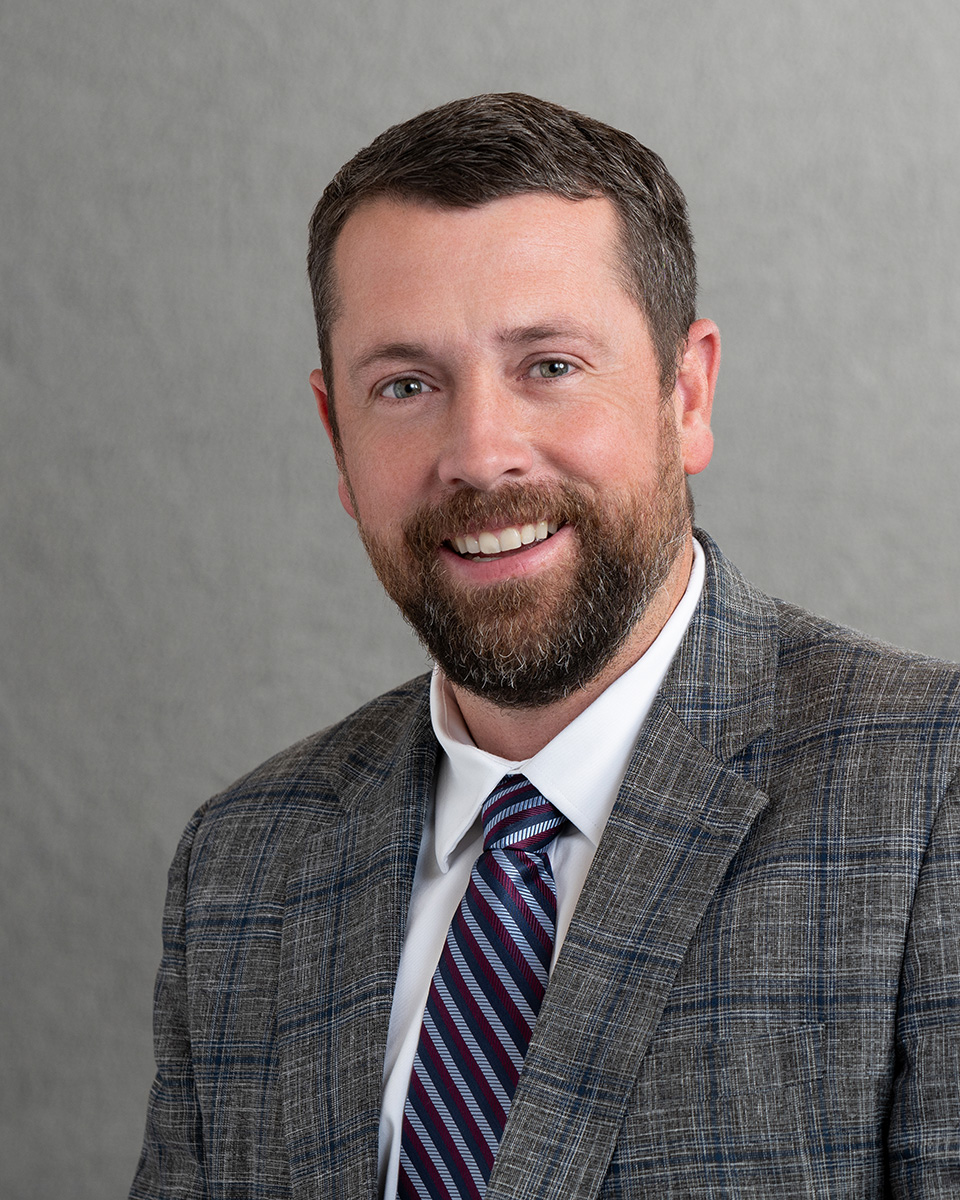
Casey Snider
Casey Snider House · District 5
R
Strong +
100% 4
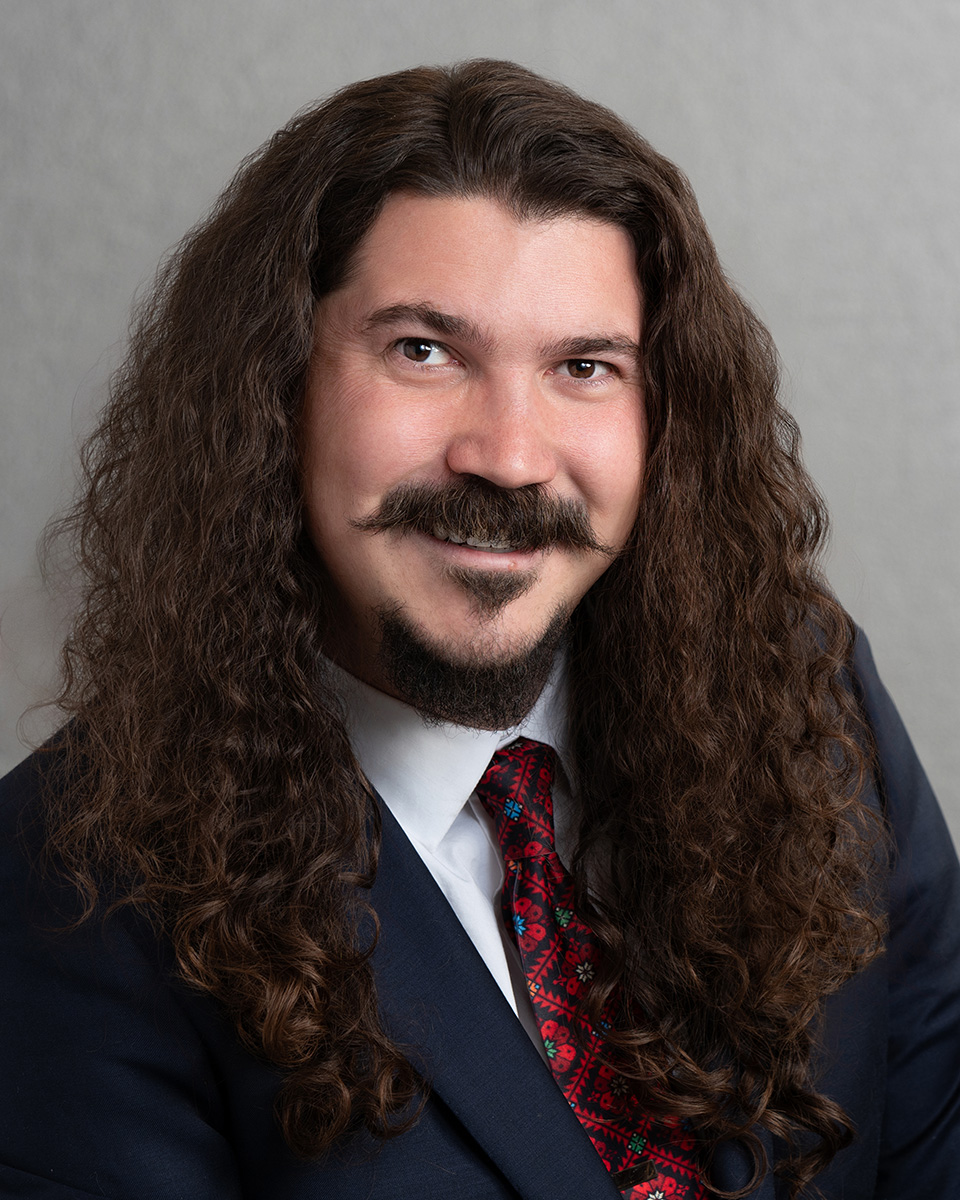
Cheryl Acton
Cheryl Acton House · District 38
R
Strong +
100% 4
Christine Watkins
Christine Watkins House · District 67
R
Strong +
100% 4
Carol Moss
Carol Moss House · District 34
D
Strong −
0% 4
Doug Owens
Doug Owens House · District 33
D
Strong −
0% 4
Grant Miller
Grant Miller House · District 24
D
Strong −
0% 4
Hoang Nguyen
Hoang Nguyen House · District 23
D
Strong −
0% 4
Jake Fitisemanu
Jake Fitisemanu House · District 30
D
Strong −
0% 4
Showing 11–20 of 24 bills

All criminal justice bills

signed · Utah · House Mar 24, 2026

HB 230: Offender Amendments

HB 230 requires Utah county jails to help inmates serving six months or more obtain driver’s licenses or state ID cards before release, including coordinating with the Driver License Division and providing payment vouchers. It also mandates substance abuse treatment programs to share drug test results with probation/parole officers when inmates provide written consent, and directs the Department of Corrections to provide post-release housing resources, a secure online tool for attorney communications, and annual data on inmate incentives. The bill adds requirements for tracking parole housing and updates health information disclosure rules for probationers. These provisions directly affect inmates, county jails, probation/parole officers, and state correctional agencies.
signed · Utah · Senate Mar 23, 2026

SB 93: Corrections Amendments

SB 93 amends Utah's correctional laws to affect offenders under supervision and correctional facilities. It eliminates unpaid probation and parole supervision fees from offenders' debt records, directing these fees to the state debt collection office instead. The bill also prohibits removing any item from within a correctional facility's property (a change related to drone-related offenses) and updates definitions for direct supervision and correctional facility operations. These changes make technical adjustments to existing statutes without new funding.
in committee · Utah · House Mar 7, 2026

HB 226: Alternative Incarceration Program Amendments

HB 226 allows Utah county sheriffs to create "sheriff's work programs" where eligible prisoners complete supervised public works projects (like park cleanups or community repairs) instead of serving jail time. It directly affects non-violent offenders sentenced to 30 days or less who voluntarily agree to participate, excluding those with prior convictions for certain offenses or under court orders. Key provisions require sheriffs to establish program rules covering eligibility, work assignments, safety, fees, and disciplinary measures, while granting participants one day of jail credit for every eight hours worked. The bill clarifies that participants remain under the sheriff’s official custody during the program and updates existing laws to align with these changes. No new funding is appropriated, and the bill takes effect in May 2026.
signed · Utah · House Mar 24, 2026

HB 354: Rescue Tracking Equipment Offense Amendments

HB 354 creates a new criminal offense for damaging or interfering with public emergency alert devices designed to notify law enforcement during emergencies and help locate individuals needing assistance. The bill defines "rescue tracking equipment" as public devices that alert authorities and track locations for emergency response, and prohibits destroying, disabling, or tampering with them if it hinders their function. Violations are classified as class B misdemeanors, punishable by up to 180 days in jail and/or fines. This law directly affects anyone who intentionally damages or disrupts these emergency devices, ensuring they remain functional for life-saving assistance. The bill amends Utah Code Section 76-6-106.4 and takes effect May 6, 2026.
signed · Utah · House Mar 26, 2026

HB 220: Public Safety Data Amendments

HB 220 amends reporting requirements for public safety data in Utah, shifting where certain reports are submitted. It removes mandated reports about domestic violence firearm restrictions, sexual assaults in detention facilities, and other crime data from being sent to a legislative committee, instead directing these reports to the State Commission on Criminal and Juvenile Justice for inclusion in a public safety portal. The bill also adds new requirements for institutions of higher education, strike forces, and agencies like the Department of Corrections to submit specific crime and safety data to this portal. These changes streamline data collection for public access but do not alter underlying laws or create new funding.
passed · Utah · Senate Mar 7, 2026

SB 94: Inmate Financial Literacy Amendments

SB 94 requires Utah's Department of Corrections to offer an optional financial literacy class to all inmates. The class must teach strategies for saving and managing money earned through employment, including income earned while incarcerated. This applies directly to every inmate in Utah state correctional facilities. The bill amends existing law (Utah Code 64-13-48) to add this specific requirement, building on current educational program mandates without additional funding.
Sub-Topics Corrections
in committee · Utah · Senate Mar 7, 2026

SB 182: Attorney Admission to Jail Facilities Amendments

SB 182 requires Utah county sheriffs to permit licensed attorneys to enter jails for client meetings under specific conditions. Attorneys must be licensed in good standing and inform the sheriff of their intent to meet a prisoner who is their current/former client, prospective client, or someone relevant to a criminal case. Sheriffs must provide a private meeting space during standard hours (8 a.m.-5 p.m., Monday-Friday, excluding holidays), though special circumstances may allow exceptions. The bill also allows sheriffs to designate staff to handle these requests and mandates public posting of designee contact details. This directly affects attorneys seeking jail access and sheriffs managing facility entry protocols.
passed · Utah · House Mar 7, 2026

HB 70: Correctional Health Services Amendments

HB 70 requires Utah's Department of Health and Human Services to implement a new electronic health record system for inmate care by 2026, based on a working group's recommendations. It makes funds for unexpected high-cost correctional health care non-lapsing (meaning they won't expire if unused), and mandates a treatment plan for all inmates with substance use disorders, including medication-based treatment. The bill also sets accreditation standards for correctional health facilities and allows parole boards to consider health examiner reports when deciding parole conditions. These changes directly affect inmates in Utah's correctional facilities, the Department of Health and Human Services, and the Department of Corrections.
in committee · Utah · House Mar 7, 2026

HB 91: Presumption of Indigency Amendments

HB 91 creates a legal presumption that individuals are indigent ( eligible for free legal representation) if they are incarcerated for 10 or more consecutive days. This applies directly to people facing criminal charges who are currently held in jail, prison, or a similar facility. The bill requires courts to automatically treat these individuals as indigent without needing to assess their income, assets, or family circumstances under existing rules. It streamlines access to court-appointed defense counsel for this specific group of incarcerated defendants, while maintaining other existing criteria for indigency determinations. The law takes effect on May 6, 2026.
Sub-Topics Corrections Courts
passed · Utah · House Mar 7, 2026

HB 39: Prison and Jail Standards Amendments

HB 39 requires county sheriffs and Utah's Department of Corrections to implement independent oversight systems for all county jails and state correctional facilities. Specifically, it mandates that every county jail under a sheriff's jurisdiction must operate under independently administered standards and undergo regular independent inspections, with the same requirement applying to state facilities managed by the Department of Corrections. These provisions apply directly to county sheriffs, jail operators, and the Department of Corrections, adding new inspection requirements on top of existing standards. The bill makes technical updates to Utah law without appropriating new funds or creating new programs.
Showing 11 to 20 of 24 bills