Issue · Budget & Taxes

Budget & Taxes

Every budget & taxes bill, vote, and legislator stance in Utah, automatically classified by Maddy, our AI policy reader.

Total bills
111
2026 General Session
Top supporter
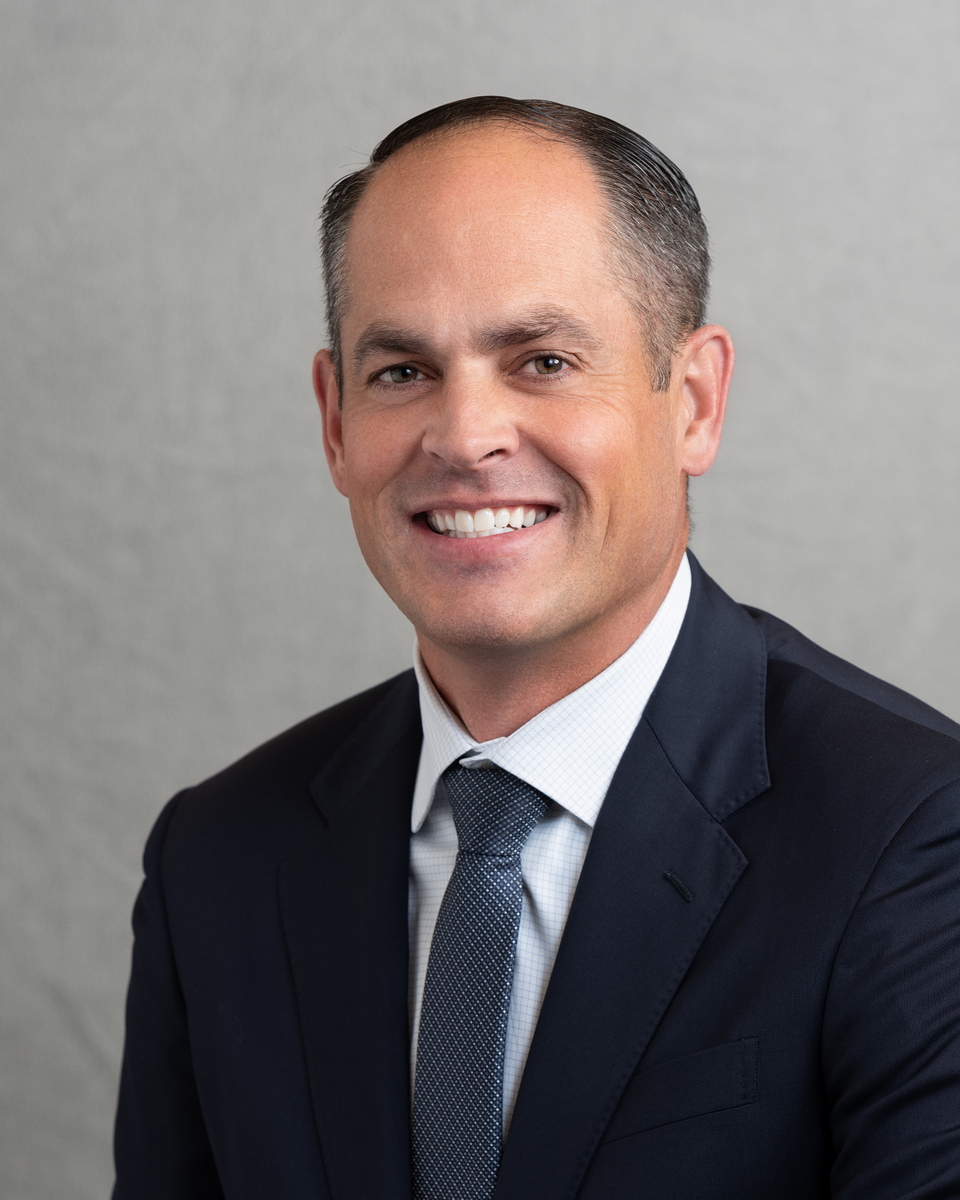
Mike McKell
95% support rate
Top opponent
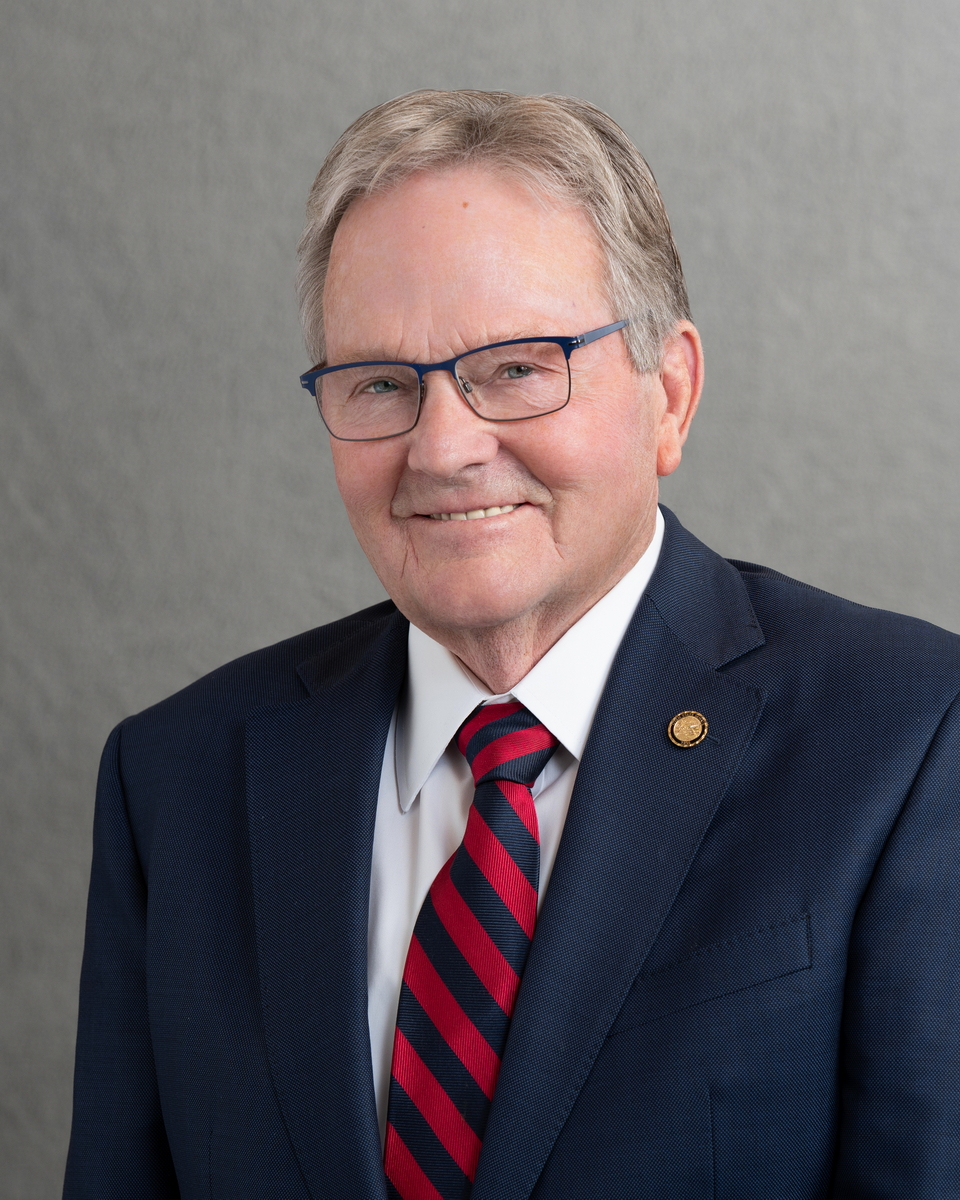
Leah Hansen
21% support rate
Ranked legislators
10
5 support · 5 oppose
Key legislators

Who's moving budget & taxes in Utah

Legislators moving budget & taxes in Utah
Legislator Party Stance Support rate Votes
Mike McKell
Mike McKell Senate · District 25
R
Strong +
95% 94
Todd Weiler
Todd Weiler Senate · District 8
R
Strong +
93% 109
Jerry Stevenson
Jerry Stevenson Senate · District 6
R
Strong +
91% 88
Verona Mauga
Verona Mauga House · District 31
D
Strong +
89% 83
Doug Welton
Doug Welton House · District 65
R
Strong +
88% 81
Leah Hansen
Leah Hansen House · District 51
R
Oppose
21% 82
Rex Shipp
Rex Shipp House · District 71
R
Oppose
33% 82
Norm Thurston
Norm Thurston House · District 62
R
Oppose
39% 74
Tiara Auxier
Tiara Auxier House · District 4
R
Oppose
40% 74
Kathleen Riebe
Kathleen Riebe Senate · District 15
D
Mixed −
42% 108
Showing 81–90 of 111 bills

All budget & taxes bills

signed · Utah · Senate Mar 25, 2026

SB 217: Local Food Amendments

SB 217 simplifies regulations for local food producers by redefining raw milk and raw milk products as "homemade food" under Utah's Home Consumption and Homemade Food Act. It removes signage requirements for direct-to-sale farmers markets, clarifies when producers can sell homemade foods at such locations, and exempts these sales from state sales tax. The bill also ensures producers retain ownership of their products sold through representatives and repeals previous Department of Agriculture regulations governing raw milk. These changes primarily affect small-scale food producers, farmers markets, and local direct-to-consumer food businesses.
Sub-Topics Sales Tax
signed · Utah · House Feb 1, 2026

HB 6: Criminal Justice Base Budget

HB 6 is a state budget bill that allocates funding for Utah's criminal justice system for fiscal years 2026 and 2027. It appropriates $1.35 billion for 2027 (including $949 million from the General Fund) and $27.8 million for 2026 to support agencies like the Governor's Office, Attorney General's Office, and Board of Pardons and Parole. Key provisions include funding for factual innocence payments ($95,000), jail reimbursements ($412,900), indigent defense services ($283,400), and non-lapsing funds for casework acceleration ($5 million) and children's justice centers ($1 million). The bill specifies how funds may be used and includes intent language to prevent certain appropriations from expiring at year-end.
in committee · Utah · Senate Mar 7, 2026

SB 118: Mental Health Services in Higher Education

SB 118 creates a $1.5 million grant for Utah public universities to improve student mental health services. It requires institutions to either establish peer coaching programs - where trained student volunteers provide non-clinical support - or use funds for other mental health services. Peer coaches, defined as student volunteers (not licensed professionals), can offer support like mentoring or resource referrals but cannot diagnose or provide clinical therapy. The grant, funded by reallocating existing income tax revenue, takes effect July 2026 and exempts peer coaches from liability for their non-clinical support.
passed · Utah · House Mar 7, 2026

HB 141: International Money Transmission Amendments

HB 141 imposes a 2% tax on international money transfers processed by licensed businesses (like Western Union or MoneyGram) starting January 1, 2027. Customers can avoid the tax by presenting valid ID (e.g., passport, driver’s license) at the time of transfer. Licensed transmitters must collect the tax separately on receipts, remit it quarterly to Utah’s State Tax Commission, and submit annual reports detailing transactions and tax collection. The bill also requires the Department of Financial Institutions to provide the Tax Commission with a list of all licensed transmitters each year.
introduced · Utah · House Mar 7, 2026

HB 162: Local Sales Tax Modifications

HB 162 allows certain Utah municipalities to impose a local sales tax specifically to fund infrastructure improvements for their local law enforcement agencies. It requires municipalities to hold a public hearing before approving the tax and mandates that all revenue be deposited into a separate special fund, not the general municipal fund. The bill also establishes procedures for reauthorizing the tax after its initial period and permits the State Tax Commission to retain a small administrative fee from collected revenue. This legislation modifies existing tax code provisions to create a structured framework for this targeted local funding mechanism, affecting only qualifying municipalities seeking to fund law enforcement infrastructure.
signed · Utah · House Mar 25, 2026

HB 185: Carbon Credit Amendments

HB 185 establishes new rules and funds for carbon credit transactions in Utah. It creates a Carbon Credit Investment Fund funded by a 19% assessment on carbon credit sales (administered by the State Tax Commission) and a Carbon Credit Litigation Fund. The bill requires carbon credit brokers to hold licenses, imposes criminal penalties for unlicensed sales, and gives the Office of Energy Development a right of first refusal to purchase in-state carbon credits. State agencies must report carbon credit details and deposit sale revenue into the General Fund, while 5% of the Investment Fund’s annual earnings go to rural counties and eligible rural colleges meeting specific enrollment and completion rate criteria.
Sub-Topics State Budget
in committee · Utah · Senate Mar 7, 2026

SB 106: Educator Compensation Amendments

SB 106 preserves current educator salary adjustments by removing a legal dependency on the Utah Fits All Scholarship Program's status. It ensures educators (including teachers, counselors, librarians, and specialists) receive a fixed $10,350 salary adjustment for fiscal year 2026, regardless of litigation affecting the scholarship program. The bill makes this change to prevent potential pay reductions if the scholarship program faces legal challenges. No new funding is appropriated, and the amendment applies to all school districts, charter schools, and Utah Schools for the Deaf and the Blind.
failed · Utah · House Mar 7, 2026

HB 210: Tax Penalties Amendments

HB 210 modifies Utah's Individual Income Tax Act to reduce tax burdens for certain filers. It removes marriage penalties by setting half the income phaseout limits for single, head of household, and married filing separately filers compared to joint filers, and creates a new nonrefundable tax credit for married filers. The bill directly affects Utah taxpayers with these filing statuses, particularly married couples who file separately. It applies retroactively to prior tax years, requires no new state funding, and amends multiple tax code sections to implement these changes.
Sub-Topics Income Tax Tax Credits
signed · Utah · House Mar 25, 2026

HB 376: Land Management Funding Amendments

HB 376 creates the Utah Forest Restoration Institute at Utah State University to improve forest and watershed health. The institute will conduct research, develop wildfire risk mitigation strategies, and coordinate with the existing Watershed Restoration Initiative to fund projects, including emergency requests after natural disasters. The bill appropriates $3.8 million from the Income Tax Fund for fiscal year 2027 to support these efforts. It requires the institute to monitor project effectiveness, review funding requests, and submit annual reports to legislative committees.
signed · Utah · House Mar 25, 2026

HB 247: Great Salt Lake Related Amendments

HB 247 redirects $125,000 annually from brine shrimp tax revenue to the Sovereign Lands Management Account instead of the Species Protection Account. This change affects how funds from brine shrimp harvesting are allocated, specifically directing a portion toward Great Salt Lake management projects under the Sovereign Lands Account. The bill does not create new funding but modifies existing revenue streams, with the remainder of brine shrimp tax revenue continuing to fund species protection efforts as before. It makes technical adjustments to Utah code sections governing these accounts.
Sub-Topics Revenue
Showing 81 to 90 of 111 bills
Previous 1 8 9 10 12 Next