Issue · Budget & Taxes

Budget & Taxes

Every budget & taxes bill, vote, and legislator stance in Utah, automatically classified by Maddy, our AI policy reader.

Total bills
15
2026 General Session
Top supporter
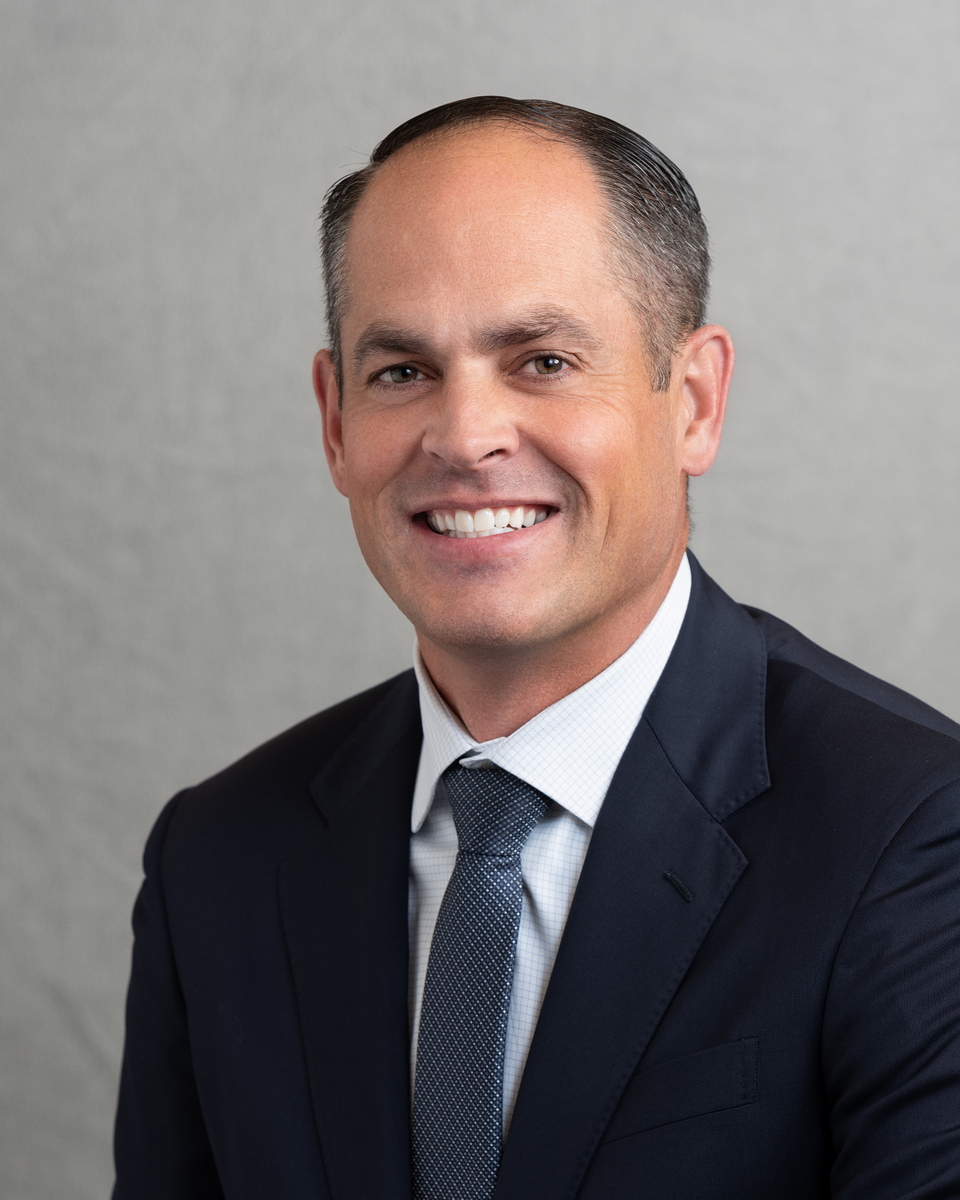
Mike McKell
95% support rate
Top opponent
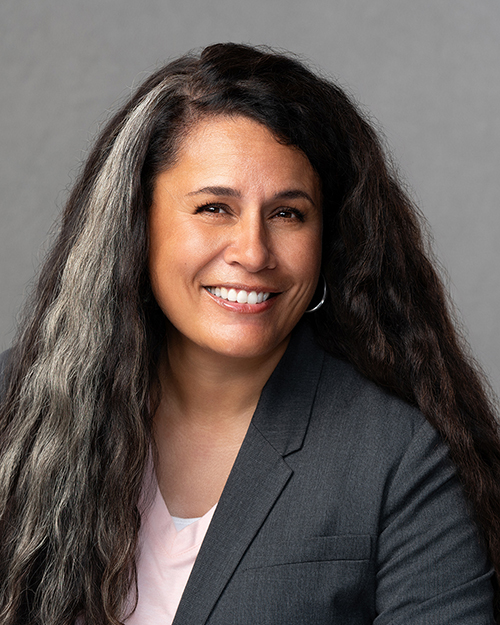
Leah Hansen
21% support rate
Ranked legislators
10
5 support · 5 oppose
Key legislators

Who's moving budget & taxes in Utah

Legislators moving budget & taxes in Utah
Legislator Party Stance Support rate Votes
Mike McKell
Mike McKell Senate · District 25
R
Strong +
95% 94
Todd Weiler
Todd Weiler Senate · District 8
R
Strong +
93% 109
Jerry Stevenson
Jerry Stevenson Senate · District 6
R
Strong +
91% 88
Verona Mauga
Verona Mauga House · District 31
D
Strong +
89% 83
Doug Welton
Doug Welton House · District 65
R
Strong +
88% 81
Leah Hansen
Leah Hansen House · District 51
R
Oppose
21% 82
Rex Shipp
Rex Shipp House · District 71
R
Oppose
33% 82
Norm Thurston
Norm Thurston House · District 62
R
Oppose
39% 74
Tiara Auxier
Tiara Auxier House · District 4
R
Oppose
40% 74
Kathleen Riebe
Kathleen Riebe Senate · District 15
D
Mixed −
42% 108
Showing 11–15 of 15 bills

All budget & taxes bills

passed · Utah · House Mar 7, 2026

HB 235: Income Tax Revisions

HB 235 reduces Utah's corporate and individual income tax rates from 4.5% to 4.45% for tax years beginning on or after January 1, 2026. It directly affects Utah corporations and residents who pay state income tax, lowering their tax burden slightly. The bill amends three key tax code sections (59-7-104, 59-7-201, and 59-10-104) to reflect the new rate, with no new state funding required. The change applies retroactively to 2026 tax years and takes effect on May 6, 2026.
failed · Utah · House Mar 7, 2026

HB 170: School Board Referendum Amendments

HB 170 amends Utah's laws to establish a clearer process for school district residents to hold referendums on certain school board decisions. Specifically, it allows voters who live within a school district to petition for a vote on laws passed by their local school board that increase taxes or create new taxes, subject to limited exceptions. The bill defines key terms related to referendums and makes technical updates to existing statutes, but does not appropriate new funding or create new financial obligations. This directly affects school district residents seeking to challenge tax-related decisions through a voter referendum.
passed · Utah · House Mar 7, 2026

HB 157: Department of Natural Resources Amendments

HB 157 amends various Utah laws related to the Department of Natural Resources (DNR). It changes how the DNR handles employee work periods, allows water rights records to be kept electronically or physically, and adjusts rules for water rights after contract issues. The bill removes a cap on low-interest loans for water metering, ends the Alternative Energy Development Tax Credit Act, and repeals funding rules for a watershed program. It appropriates $5 million from the General Fund for DNR operations in fiscal year 2027. The changes primarily affect DNR staff, water rights holders, and entities managing water resources in Utah.
introduced · Utah · House Mar 7, 2026

HB 232: Medicaid Abortion Payment Amendments

Utah's HB 232 (Medicaid Abortion Payment Amendments) restricts Medicaid funding for abortion providers by prohibiting those with over $500 million in annual revenue from qualifying as eligible Medicaid providers, effective May 6, 2026. The bill directly affects abortion clinics or providers meeting the revenue threshold, excluding hospitals from this restriction. Key provisions amend Utah Code Sections 26B-3-114 and 76-7-301 to define "elective abortion" and clarify that Medicaid funds cannot cover abortions unless the mother's life is endangered, excluding cases like rape, incest, or fatal fetal defects. This is a funding restriction, not an abortion ban, as it only impacts Medicaid reimbursement for specific providers.
failed · Utah · Senate Mar 7, 2026

SB 97: Tax Revenue Amendments

SB 97 limits how much surplus funds cities and counties can accumulate in their general funds (capping it at 25% of annual revenue) and changes residential property tax rules. It restricts property tax exemptions to one primary residence per household, requires homeowners to reapply for exemptions if ownership changes or eligibility is questioned, and creates a presumption that business-owned property doesn't qualify for residential exemptions. The bill also prohibits using property tax revenue for capital improvement reserves after a set date and adjusts how property value increases are counted for tax calculations. These changes directly affect local governments managing tax revenues and homeowners seeking property tax exemptions.
Showing 11 to 15 of 15 bills