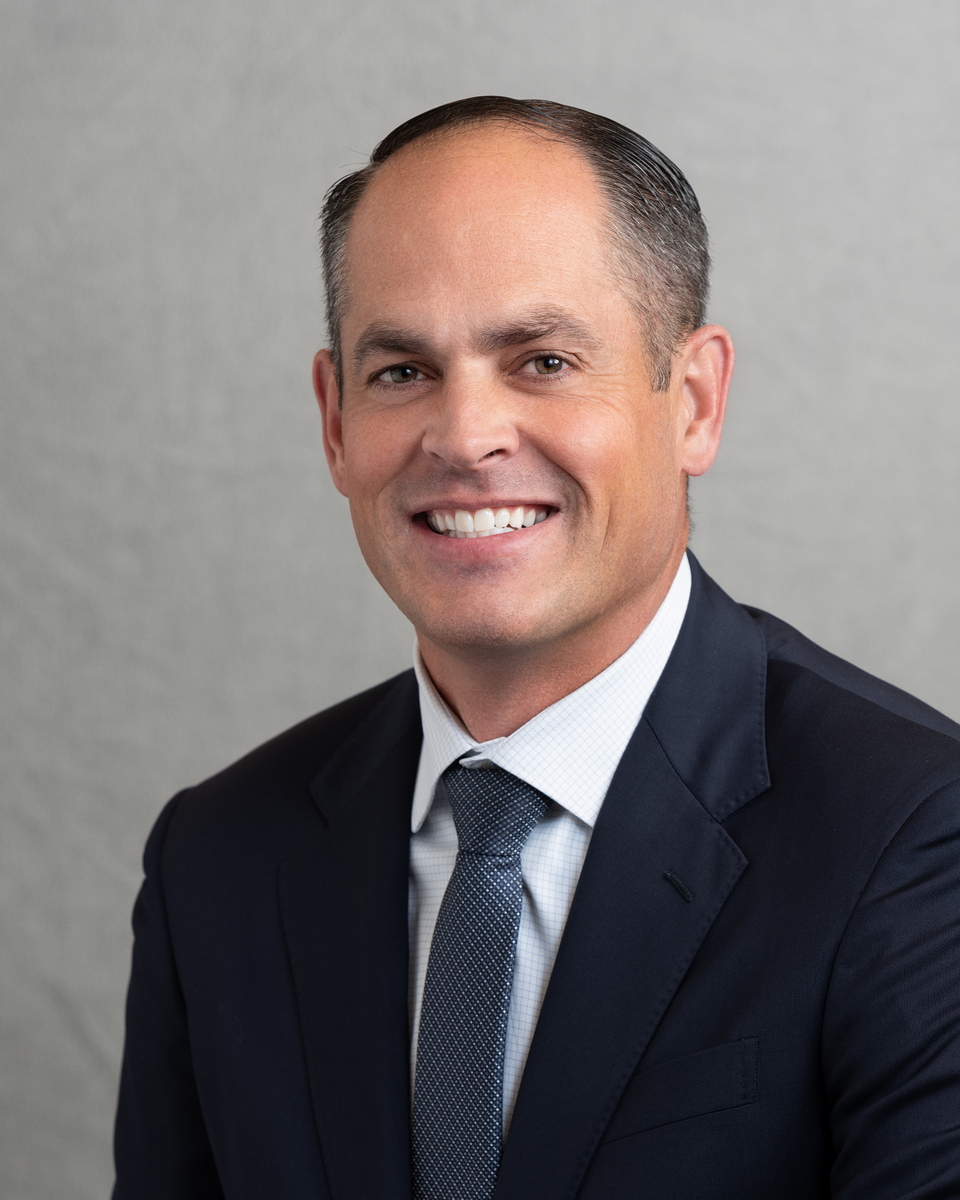
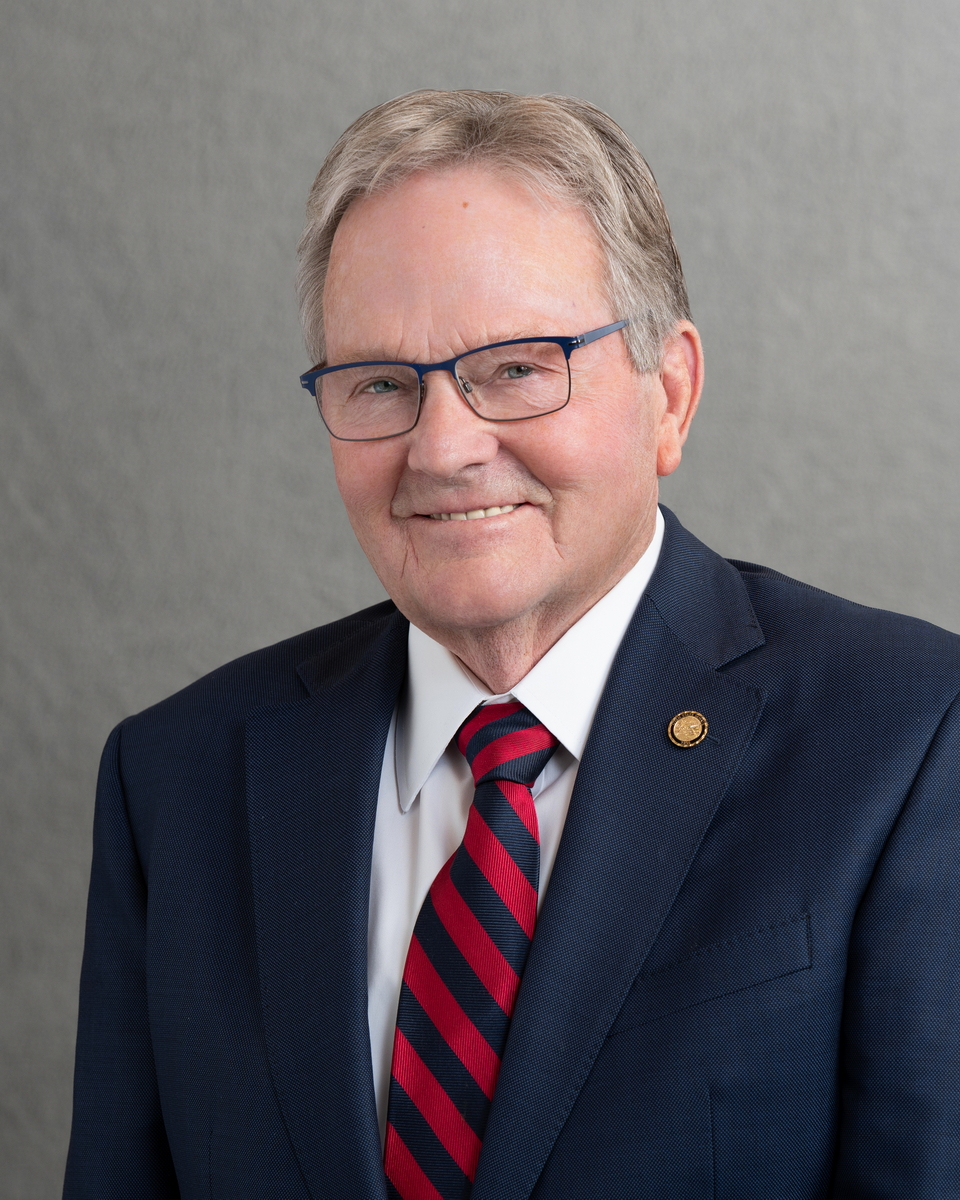
HB 416 creates the Firefighter Cancer Benefit Trust Fund to provide financial support for firefighters diagnosed with cancer presumed to be work-related. The bill redirects existing revenue from property and life insurance premiums (specifically 50% of the first $4 million from property insurance tax and 10% of the first $1 million from life insurance tax) to fund this trust, replacing prior allocations. The trust fund, administered by an 11-member board (including firefighters, fire chiefs, medical experts, and officials), will cover benefits for affected firefighters and their families, with assets protected from creditor claims. This bill modifies tax distribution rules without new appropriations, directly affecting Utah firefighters with presumptive cancer diagnoses under existing law.
HB 7 is the Social Services Base Budget for Utah’s fiscal years 2026 and 2027, providing $8.6 billion in total funding to state agencies, primarily the Department of Health and Human Services. It directly affects programs like Child and Family Services, Medicaid, mental health services, and health care administration by allocating specific funds - such as $1.588 billion from the General Fund for 2027 and $53.38 million for legal cost reporting. Key provisions include requiring the Health and Human Services Department to report to lawmakers by May 2026 on attorney fees for child welfare services, including historical costs and funding gaps. The bill establishes concrete budget allocations for operations, capital projects, and specific initiatives without changing program eligibility or creating new requirements.
HB 290 expands Utah's child tax credit by raising income thresholds where the credit begins to phase out. It increases the phaseout limits to $30,500 for married filing separately, $49,000 for single/head of household, and $61,000 for joint filers (up from $27,000, $43,000, and $54,000, respectively). This change directly affects Utah taxpayers with qualifying children who previously saw their credit reduced due to higher income. The bill maintains the $1,000-per-child credit amount but allows more families to claim the full credit, with retrospective effect for 2026 tax years. The change takes effect May 6, 2026, and requires no new state funding.
HB 37 amends Utah's Used Oil Management Act to increase the recycling fee on lubricating oil sales starting July 1, 2026, and grants the Division of Waste Management rulemaking authority to set future fees beginning July 1, 2027. The bill requires the Division to notify the State Tax Commission 90 days before any fee change takes effect and clarifies that grant funds can be used to hire permitted transporters for curbside used oil collection programs. It directly affects lubricating oil vendors who must collect and remit the fees, and supports used oil collection programs through updated incentive payment rules. The changes take effect May 6, 2026, with the new fee structure beginning July 1, 2026.
SB 60 lowers Utah's corporate and individual income tax rates from 4.5% to 4.45% for tax years beginning on or after January 1, 2026. It directly affects corporations operating in Utah and residents filing state income taxes. The bill reduces the tax rate on both corporate franchise income and individual state taxable income, with the change applying retroactively to the 2026 tax year. No new state spending is involved, as the bill only adjusts existing tax rates.
HB 46 allows Utah's Driver License Division to share specific driver license information - such as a person's name, license number, and current residential address - with county assessors. This data can only be used to verify whether property owners qualify for residential property tax exemptions. The bill strictly prohibits county assessors from using this information for any other purpose. It makes technical updates to existing laws governing data sharing between the Driver License Division and county assessors.
HB 115 exempts sales of motorcycles and passenger vehicles with a model year at least 10 years older than the current calendar year from Utah's sales and use tax. This directly affects buyers and sellers of older vehicles who would previously have paid the tax on these transactions. The bill amends Utah Code Section 59-12-104 to add this exemption while making minor technical corrections to existing tax law. The change takes effect immediately upon enactment with no new state funding required.
SB 16 amends the process for agricultural businesses to claim tax refunds on motor fuel used for nonhighway farming activities. It requires claimants to retain original invoices as proof and limits each business to one annual refund claim. The bill specifies that refunds are processed only after commission approval of the claim. This directly affects farmers and agricultural operations purchasing fuel for off-highway use, streamlining their existing refund procedure without creating new tax credits.
HB 107 creates a sales tax exemption for the purchase price of a lower-priced vehicle when a person buys and sells two vehicles in separate transactions. It requires buyers to pay registration fees by the end of the month following expiration (with late penalties) and makes new registrations effective in the same month as the previous registration. The bill eliminates the "cure period" for tax violations and redirects penalties from vehicle tax violations to the state General Fund. It primarily affects Utah residents who trade vehicles, simplifying tax treatment for such transactions without adding new state spending.
HB 99 exempts corrective eyeglasses and contact lenses from Utah's sales and use tax by reclassifying them as "prosthetic devices" under existing tax law. This change directly affects consumers purchasing these items, removing a tax burden that previously applied. The bill amends Utah Code Section 59-12-102 to include eyewear in the definition of prosthetic devices, which already qualify for tax exemption. The policy change takes effect immediately upon enactment, with no additional state funding required.