Maddy summaryThis bill raises the debt thresholds for qualifying for certain bankruptcy protections under U.S. law. It increases the small business bankruptcy limit (Chapter 11) from $750,000 to $7.5 million in total debts, allowing more small business owners to file. For consumer bankruptcy (Chapter 13), it raises the individual debt limit from $1 million to $2.75 million (or $2.75 million for a couple), excluding stockbrokers and commodity brokers. The changes apply to cases filed after the bill's enactment, directly affecting small business owners and consumers with higher debt levels who previously couldn't qualify.
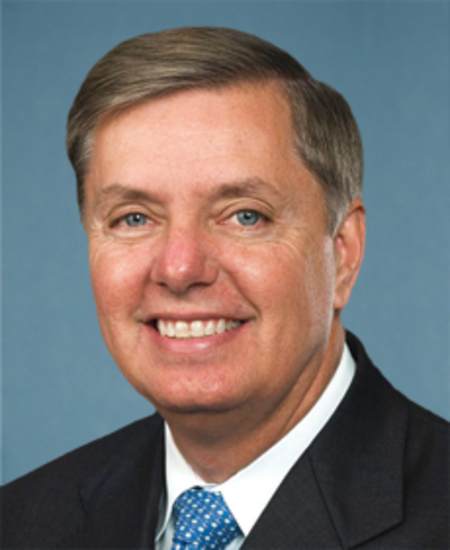
Sen. Lindsey Graham
Sponsored bills
Maddy summaryThis bill amends the Public Safety Officers' Benefit Program to improve processing of claims for officers injured or killed in the line of duty. It establishes clear timelines for the Bureau to notify claimants about missing information (90 days) and make determinations (270 days), with automatic interim benefits issued if deadlines aren't met. The bill requires regular outreach to public safety officers and underserved agencies, mandates annual audits of backlogged claims, and strengthens subpoena authority to obtain necessary information. It also creates a pathway for expedited processing when claims are approved by the 9/11 Victim Compensation Fund or World Trade Center Health Program. The bill does not change benefit amounts but aims to make the claims process more efficient and transparent for public safety officers and their families.
Maddy summaryThe Kids Online Safety Act (S 1748) requires major social media platforms, online video games, and other "covered platforms" to implement specific safety features for minors (under 17). These features include default privacy settings that limit harmful design features like infinite scrolling and auto-play, parental controls for managing minors' accounts, and restrictions on advertising illegal products to minors. The bill also mandates annual transparency reports about how platforms are used by minors and requires platforms to provide clear notices about their content algorithms. It creates a Kids Online Safety Council to advise Congress on online safety issues for children. The law applies to platforms with more than 10 million monthly users in the U.S. and takes effect 18 months after enactment.
Maddy summaryThis Senate resolution commemorates the fourth anniversary of the 2022 Supreme Court decision in Dobbs v. Jackson Women's Health Organization, which overturned the previous federal right to abortion. The document expresses the Senate's support for state authority to regulate abortion and acknowledges the work of pregnancy centers that assist expectant mothers. It formally declares the Senate's commitment to protecting unborn life and supporting families, while noting the ongoing policy challenges related to abortion access. As a symbolic measure, the bill does not create new laws or alter existing regulations but serves to record the Senate's stance on the issue.
Maddy summaryThis resolution designates July 15, 2026, as Glioblastoma Awareness Day to raise public attention about this aggressive and deadly form of brain cancer. The bill honors patients and families affected by the disease while encouraging greater awareness of the urgent medical needs and research opportunities surrounding it. It also expresses support for collaborative efforts among government, private, and nonprofit organizations to develop better treatments and invests in ongoing research initiatives.
Maddy summaryThis bill restricts how nonmilitary foreign assistance funds can be used by prohibiting organizations from supporting abortion, gender ideology, or discriminatory equity ideology outside the United States. It requires recipients of these funds to agree not to provide or promote these specific activities, mandates that U.S. organizations keep their foreign aid programs physically and financially separate from such work, and allows the Secretary of State to require foreign governments to place funds in segregated accounts to prevent misuse. The legislation defines prohibited concepts narrowly, such as defining sex strictly by biological classification and limiting exceptions for abortion to cases where a woman's life is in immediate danger. While the rules apply to foreign and international organizations receiving U.S. aid, U.S.-based nonprofits are exempt from the ban on providing these services domestically but must still ensure their foreign-funded projects do not engage in them.
Maddy summaryThe America the Beautiful Act reauthorizes the National Parks and Public Land Legacy Restoration Fund through 2033, increasing its annual funding from $1.9 billion to $2 billion. It requires that projects funded by the Legacy Restoration Fund must secure at least 15% of their costs from public donations, which will be solicited through public awareness campaigns, donation locations at recreation sites, and during the purchase of recreation passes. The bill also mandates new reporting requirements for deferred maintenance and disposal of assets no longer serving public interest, while ensuring donations are credited to the Fund and allocated to specific projects.
Maddy summaryThe Promoting Police Leadership Act directs the Attorney General to create and certify specialized training programs for police commanders, focusing on leadership, community trust, and data-driven policing. This initiative requires the training to be primarily in-person and include practical problem-solving exercises where officers develop and refine solutions for real-world challenges. The bill mandates that the Attorney General consult with local agencies and universities to design these curricula and publish a list of law enforcement units that successfully complete the courses. Additionally, the legislation requires periodic reports to Congress and a review by the Government Accountability Office to assess the program's effectiveness and implementation barriers. Importantly, the act does not override state or local authority to set their own certification standards for law enforcement officers.
Maddy summaryThe Tribal Warrant Fairness Act amends two federal laws to explicitly include Indian Tribes in existing law enforcement and security protocols. It requires the U.S. Marshals Service to consider "Tribal fugitive matters" upon request by an Indian Tribe and updates the Presidential Threat Protection Act to include "Indian Tribes" and "Tribal law" alongside local and state entities. These changes ensure Tribal governments are treated equally with local and state authorities in federal processes. The bill directly affects Indian Tribes, the U.S. Marshals Service, and agencies under the Presidential Threat Protection Act by modifying how they handle Tribal matters. This is a technical update to existing statutes without creating new programs or funding.
Maddy summaryS 825 requires the Justice Department to develop a report within 150 days on programs providing evidence-based mental health care for public safety officers, including police, firefighters, EMTs, and 911 dispatchers. The report must outline how to deliver trauma-informed care, peer support, and family services through in-person or telehealth options, while ensuring confidentiality for officers seeking help. It also needs to detail administrative efficiency across states and territories, draft necessary grant conditions, and estimate annual funding needs. This bill does not fund programs but sets a framework for future action based on the high rates of PTSD and suicide among these frontline workers.