

Maddy summaryThe Title VIII Nursing Workforce Reauthorization Act of 2025 reauthorizes federal funding for nursing education programs through 2030, increasing annual appropriations to support nurse training and workforce development. It expands grant eligibility to include nurse practitioner, nurse-midwifery, nurse anesthesia, and clinical nurse specialist programs, while requiring funds to cover clinical education costs like preceptor fees. The bill directs grants toward technology such as simulation labs, telehealth, and virtual training to modernize nursing education, and mandates partnerships with healthcare facilities to create clinical training opportunities. Additionally, it updates program requirements to include support for survivors of sexual assault and focuses on increasing nursing faculty and student enrollment to address nationwide nursing shortages.
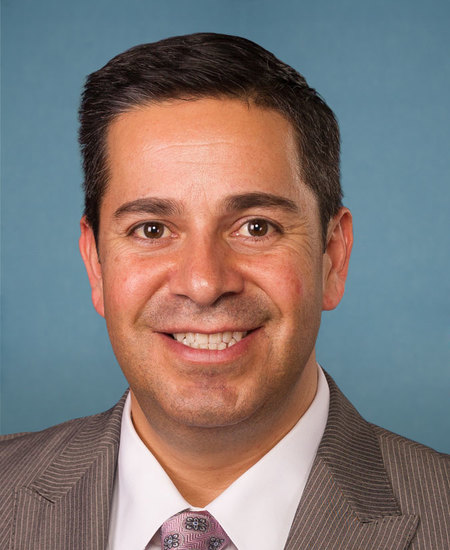
Sen. Ben Ray Luján
Sponsored bills
Maddy summaryThis bill simplifies the approval process for biosimilar drugs - medicines that are highly similar to, but not identical to, existing biologic drugs. It amends the Public Health Service Act to clarify when biosimilars are deemed "interchangeable" with the original drug (allowing pharmacists to substitute them without a doctor's specific order), adjusts exclusivity periods for existing biosimilars, and sets a 60-day transition period after enactment. The bill also requires the FDA to update its guidance documents within 18 months to reflect these changes. This directly affects pharmaceutical companies developing biosimilars, the FDA in its review process, and ultimately patients seeking more affordable treatment options.
Maddy summaryThe Local Input Act requires the Secretary of the Interior to actively engage with the public, state and local governments, and federally recognized tribes before offering federal land for oil or gas leasing. This process mandates that officials publicly disclose leasing proposals and analyze potential impacts on land resources and other uses, while also providing a specific opportunity for community comment. The bill empowers the Secretary to decide against leasing a parcel if the gathered input suggests it should not be offered. These changes directly affect federal land management decisions and increase the role of local stakeholders in energy development on public lands.
Maddy summaryThe Right to IVF Act of 2026 establishes federal protections to ensure individuals can access assisted reproductive technology and intrauterine insemination without state-imposed restrictions, while also mandating that health insurance plans, Medicare, Medicaid, and the Federal Employees Health Benefits program cover these services. The bill defines these procedures broadly to include treatments like egg and embryo freezing and requires coverage regardless of whether a patient has been diagnosed with infertility. It further directs the Department of Defense and the Department of Veterans Affairs to provide fertility preservation and reproductive assistance to uniformed service members and veterans, including funding for egg or sperm retrieval and storage. Additionally, the legislation grants federal courts the authority to challenge and block any state laws that limit access to these reproductive treatments or discriminate against providers and patients based on protected characteristics.
Continental Divide National Scenic Trail Completion Act This bill directs the Department of Agriculture (USDA) and the Department of the Interior to seek to complete the Continental Divide National Scenic Trail no later than 10 years after the enactment of this bill. USDA and Interior must establish a joint Forest Service and Bureau of Land Management trail completion team to work in coordination with the administrator of the trail to facilitate its completion and optimization. USDA must complete a comprehensive development plan for the trail within three years. USDA and Interior must also seek to enter into agreements with volunteer and nonprofit organizations to facilitate the completion and administration of the trail.
Maddy summaryThis bill establishes a process for New Mexico land grant communities (descendants of historic Spanish/Mexican land grants) to maintain traditional, noncommercial uses on federal land. It requires the Secretary of Agriculture or Interior to create a memorandum of understanding (MOU) with the New Mexico Land Grant Council, outlining procedures for permits, fee reductions based on community socioeconomic conditions, and coordination for activities like grazing, water access, cemetery maintenance, and small-scale gathering. The MOU must address routine infrastructure maintenance and include input from affected tribes when planning decisions impact traditional uses. The bill does not create new rights but streamlines existing processes for qualified land grant-merced communities to continue historical uses under federal land management rules.
Maddy summaryThe Small Tax Case Threshold Modernization Act raises the monetary limit for small tax disputes from $50,000 to $100,000, allowing cases within this range to be heard in a more streamlined court setting. This change directly affects taxpayers and the Internal Revenue Service by expanding the scope of cases eligible for expedited proceedings. The bill also establishes an automatic inflation adjustment mechanism that will increase the $100,000 threshold annually starting in 2027 to maintain its real value over time. Additionally, the legislation updates the official title of the relevant tax code section to "Small disputes" to reflect the new higher limit.
Maddy summaryThe Tax Complexity and Fraud Prevention Review Act requires the IRS to submit annual reports to Congress detailing its efforts to identify, prevent, and resolve various types of tax fraud. These reports must include specific data on fraud amounts, timelines of security actions, and recommendations for improving information sharing with tax filing providers and other government agencies. The legislation also mandates that certain redacted data from these reports be made available on the IRS public website to increase transparency. Additionally, the bill clarifies that a separate complexity report is required to remain distinct from the new fraud-focused reporting obligations.
Maddy summaryThe Taxpayer Transparency and Notice Act requires the IRS to send quarterly notices to taxpayers with unpaid tax debts, rather than just once a year. These notices must include an estimate of future penalties and interest if the debt is not paid, along with information on assistance programs available to the taxpayer. The law exempts taxpayers who already have payment agreements, accepted offers in compromise, or who are deemed unable to pay from these quarterly reminders. The changes will not take effect until 24 months after the bill is enacted.
Maddy summaryThis bill, the Accelerating Broadband Permits Act of 2026, aims to speed up the permitting process for broadband internet projects by requiring federal agencies to create better tracking tools and reporting systems. It mandates the creation of a public dashboard to monitor how grant funds are spent and where broadband service has been established, as well as a tool to help local groups identify and track federal permit requirements. The legislation also requires federal agencies to analyze and report on factors causing delays in processing communications applications and to alert staff when projects are at risk of missing deadlines. Additionally, it clarifies that large-scale broadband construction projects involving over $5 million must undergo environmental reviews under the National Environmental Policy Act.