

Maddy summaryThe Lebanon Sanctions, Stabilization, and Support Act authorizes the President to impose financial penalties and visa bans on foreign individuals or entities that support Hezbollah, impede Lebanese government disarmament efforts, or obstruct banking reforms in Lebanon. To promote stability, the bill directs federal funding for humanitarian aid, infrastructure reconstruction, and the salaries of Lebanese security forces, with a specific requirement that half of these funds be released only after the Lebanese government declares Hezbollah’s military activities illegal. Additionally, the legislation authorizes significant security assistance to the Lebanese Armed Forces over five years, contingent on progress in countering Iranian proxy forces and implementing state control over weapons.
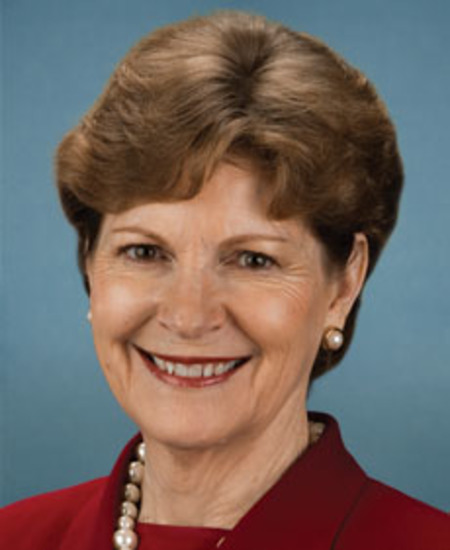
Sen. Jeanne Shaheen
Sponsored bills
Maddy summaryThe Strengthening Coast Guard Communities Act of 2026 transfers specific intergovernmental support agreement authorities from the Secretary of Defense to the Commandant of the Coast Guard. This change allows the Commandant to directly manage agreements that provide services and infrastructure support to Coast Guard communities, rather than requiring approval through the Department of Defense. To ensure transparency, the bill requires the Commandant to notify the relevant Senate and House committees in writing within 60 days of exercising this new authority.
Maddy summaryThe Constructing the Path to Suicide Prevention Act directs the Centers for Disease Control and Prevention to conduct a study analyzing suicide risk factors among construction workers who have died by suicide. The investigation will examine specific variables such as employment status, union membership, health insurance coverage, substance use history, financial stress, and prior mental health diagnoses. To protect privacy, all collected data must adhere to applicable federal and state laws. Within three years of the bill’s enactment, the agency is required to submit a report to Congress containing policy recommendations for addressing these identified risk factors.
Maddy summaryThe HCBS Access Act would require states to cover home and community-based services (HCBS) as a mandatory benefit under Medicaid, effectively eliminating waiting lists for individuals with disabilities and older adults who need support to live in their communities rather than institutions. To fund this expansion, the bill provides a 100% federal matching rate for these services if states meet specific requirements, such as improving workforce wages, removing access barriers, and establishing infrastructure to support self-directed care models. Additionally, the legislation creates a national technical assistance center and authorizes grants to recruit, train, and retain direct care workers, while also prohibiting states from placing liens on the assets of Medicaid recipients for medical assistance correctly paid.
Maddy summaryThis bill prohibits the Department of Defense from reclassifying or renaming ongoing military contingency operations if troops are still engaged in hostilities against the same enemy, even during ceasefires or diplomatic negotiations. It requires that casualty records and statistics remain permanently attributed to the original operation, preventing administrative changes from obscuring the human cost of war or resetting cumulative counts. Additionally, the legislation ensures that service members and civilian employees retain eligibility for deployment-related benefits, awards, and leave based on the original operation designation rather than any subsequent administrative redesignation. The bill also mandates the immediate restoration of casualty records and benefits for personnel involved in operations against Iran since February 28, 2026, and requires written notice to affected families and individuals regarding these restorations.
Maddy summaryThe Protecting Pentagon Press Access Act directs the Secretary of Defense to restore physical access for credentialed journalists to the Pentagon, specifically returning them to the Correspondents' Corridor and other designated workspaces that were accessible prior to May 2025. The bill mandates that reporters regain unescorted entry to these areas and establishes a security credentialing process managed by career officials within the Pentagon Force Protection Agency, explicitly prohibiting political interference or delays in the review. Additionally, it requires the Department of Defense to consult with congressional Armed Services Committees before making any future changes to press access policies, workspaces, or credential requirements.
Maddy summaryThe Supporting Disabled Entrepreneurs Act establishes a new position within the Small Business Administration’s Office of Diversity, Inclusion and Civil Rights to coordinate support for businesses owned by individuals with disabilities. This Coordinator is tasked with developing strategies, facilitating outreach, and creating training programs to help these businesses access capital, counseling, and federal contracting opportunities. The bill requires the SBA to voluntarily collect data on the disability status of small business owners through intake forms and to publicly report on services provided to this group. Additionally, the Coordinator must hold semi-annual public meetings with stakeholders and submit a report to Congress within two years detailing program effectiveness and recommendations for further support.
Maddy summaryThis legislation directs the United States Postal Service to create unique ZIP Codes for 75 specific communities located across multiple states. The bill requires the Postal Service to finalize these designations within one year after the law is enacted. Communities affected by this requirement include towns and neighborhoods in states such as California, Colorado, Florida, and others. Ultimately, the measure ensures that each listed location has its own distinct postal code for mailing purposes.
Maddy summaryThis bill expands access to workers' compensation for injured federal employees by adding nurse practitioners and physician assistants to the list of healthcare providers eligible to treat them under the Federal Employees' Compensation Act. It amends the law to define "other eligible provider" as these professionals practicing within their state-authorized scope, replacing outdated references to "physician" with "physician or other eligible provider" throughout the relevant sections. The changes ensure injured federal workers can receive care from these providers without requiring a physician referral, streamlining access to treatment. The Secretary of Labor must finalize implementing regulations within six months of the bill's enactment.
Maddy summaryThis bill requests the Office of Management and Budget to add a new occupational code for "direct support professionals" within the federal Standard Occupational Classification system. It directly affects how the government tracks and analyzes data on this workforce, which supports people with intellectual and developmental disabilities in daily living, community inclusion, and independence. The key provision requires revising the classification system to recognize these workers as a distinct category - different from home health aides - addressing high turnover rates (39% nationally) that disrupt care. The bill does not create new programs or funding, solely aiming to improve data collection for workforce planning.