

Maddy summaryThis bill requires Medicare Advantage plans to implement electronic pre-approval systems for medical services by 2028 and meet transparency reporting standards starting in 2027. Plans must publicly report data on approval/denial rates, appeal outcomes, response times, and technology use for pre-approval requests, including details on how denials relate to clinical criteria. It establishes a 24-hour response timeframe for certain requests and mandates annual reviews of pre-approval requirements based on data and input from seniors and providers. The law directly affects Medicare Advantage plans, seniors enrolled in these plans, and healthcare providers who submit pre-approval requests. These changes aim to make the pre-approval process faster, more transparent, and more accountable for seniors seeking covered medical services.
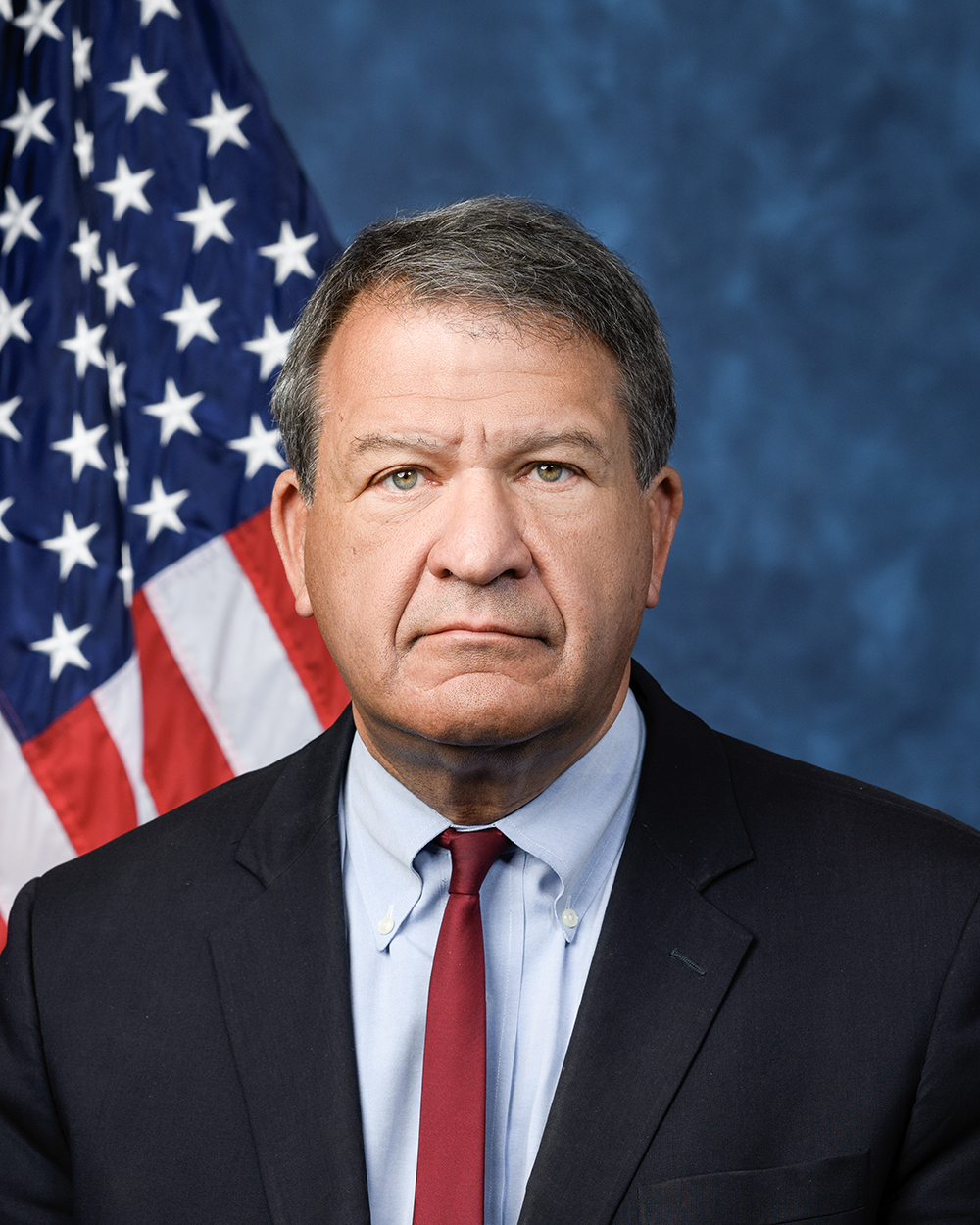
Rep. George Latimer
Sponsored bills
Maddy summaryThis bill creates a new tax credit for homeowners who pay interest on loans used to buy, build, or improve their primary residences. The credit allows taxpayers to directly reduce their federal income tax liability by up to $2,000 annually, or $1,000 for married individuals filing separately, provided their modified adjusted gross income does not exceed specific thresholds that vary by filing status. The amount of the credit is reduced by $20 for every $1,000 that a taxpayer's income exceeds these limits, and the provision includes an automatic inflation adjustment mechanism starting in 2028. This legislation applies to taxable years beginning after December 31, 2026, and excludes nonresident aliens from claiming the benefit.
Maddy summaryThe Senior Accessible Housing Tax Credit Act of 2026 creates a new tax credit for individuals aged 60 or older to help cover the costs of home modifications that improve accessibility and safety. This credit allows eligible taxpayers to claim up to $10,000 for expenses related to installing features such as wheelchair ramps, widening doorways, adding grab bars, and replacing bathroom fixtures. The amount of the credit is reduced based on the taxpayer's income, with the full benefit available to those earning less than $100,000 annually, and the law also authorizes $500 million in federal grants to the Department of Housing and Urban Development to fund additional home modification projects for older adults from 2027 through 2031.
Maddy summaryThe Jewish American Security Act aims to combat antisemitism by strengthening protections for Jewish students, securing Jewish communities, and increasing transparency regarding online hate speech. For educational institutions receiving federal funds, the bill mandates the creation of specific coordinators to handle discrimination complaints, requires annual training on handling antisemitism, and establishes a new federal clearinghouse to share best practices for campus safety. To support physical security, the legislation expands grant funding for nonprofit organizations and directs the Attorney General to provide resources for law enforcement agencies protecting houses of worship. Additionally, the act requires major online platforms with over 50 million monthly users to submit detailed reports to the Federal Trade Commission on how they detect, remove, and moderate antisemitic content.
Maddy summaryThe DHS Release Transparency Act requires the Department of Homeland Security to inform a designated contact person when a detained individual is released from Customs and Border Protection or Immigration and Customs Enforcement custody, provided the person was held for more than 12 hours. Under this bill, individuals in custody can choose to name a contact and provide their information, with the government obligated to attempt notification at least twice. The law also mandates that translation services be available in the detainee's preferred language for both selecting a contact and receiving release notifications. Additionally, the act specifies that any information gathered under this process cannot be used for law enforcement purposes.
Maddy summaryThis joint resolution directs Congress to disapprove a specific foreign military sale of defense articles and services to Turkey. The measure targets the provision of engines, technical data, and related support for the TF-X aircraft, which was proposed for sale in June 2026. By prohibiting this transaction, the bill prevents the transfer of these specific defense capabilities to the Turkish government. It directly affects the proposed sale and the entities involved in supplying the F110-GE-129E/F engines.
Maddy summaryThis bill redesignates the existing National Parks and Public Land Legacy Restoration Fund as the America's Legacy Restoration Fund to address deferred maintenance on federal lands. It directs revenue from recreation fees and a portion of energy development income into the fund, which must be used primarily for repairing critical infrastructure like roads, trails, and buildings managed by agencies such as the National Park Service and the Forest Service. The legislation establishes strict rules requiring that most funds go toward non-transportation projects, mandates transparency through public dashboards tracking project status, and sets aside a small percentage for matching private donations. Additionally, the bill increases entrance fees for foreign visitors to ensure they contribute to the fund, while prohibiting the use of these specific funds for land acquisition or employee bonuses.
Maddy summaryThe SBA Artificial Intelligence Utilization Act of 2026 requires the Small Business Administration to submit annual reports detailing its use of artificial intelligence and machine learning. These reports must cover the benefits and risks of this technology, including how it impacts operations, and outline strategies to maintain human oversight in important decisions. Additionally, the bill mandates that the SBA Administrator provide a briefing to congressional committees within 30 days of submitting each report. This legislation directly affects the SBA by establishing a formal process for evaluating and managing the adoption of AI tools within the agency.
Maddy summaryHR 2978, the GUARD Act, allows state, local, and tribal law enforcement agencies to use existing federal grant funds for investigating elder financial fraud, "pig butchering" investment scams, and general financial fraud. The bill directs these funds toward hiring specialized staff, training on blockchain tools and transnational fraud, purchasing investigative software, improving data collection, and creating financial sector liaisons to coordinate with banks. It requires annual reports from law enforcement on fund usage and outcomes, and mandates federal agencies to submit comprehensive reports to Congress on scam statistics, enforcement actions, and funding allocation. The legislation directly affects law enforcement agencies and aims to strengthen efforts against fraud targeting vulnerable populations, particularly elderly individuals.
COVID Fraud Transparency Act of 2026 This bill requires the Small Business Administration's Office of Inspector General to report quarterly to Congress about fraud cases involving certain COVID-19 loans (e.g., Paycheck Protection Program loans). The report must include the number and total dollar amount of such loans, number of new cases of fraud and suspected fraud, number of fraud cases resolved, and types of such cases of fraud. The reporting requirements terminate two years after this bill is enacted.