

Maddy summaryThe MARA Act of 2026 establishes a new Office of Aquaculture within the National Oceanic and Atmospheric Administration to oversee and promote commercial-scale offshore aquaculture projects in U.S. waters. This new office will coordinate with other federal agencies to streamline the permitting process, develop best management practices based on scientific data, and provide technical assistance and grants to industry stakeholders. The bill authorizes the issuance of permits for demonstration projects that must use native species, minimize environmental risks, and prioritize the safety of existing fishing and navigation activities. Additionally, the legislation mandates two major studies: one by the National Academies to evaluate the scientific basis for regulating offshore aquaculture and another by the Government Accountability Office to assess the economic and regulatory viability of the industry over time.
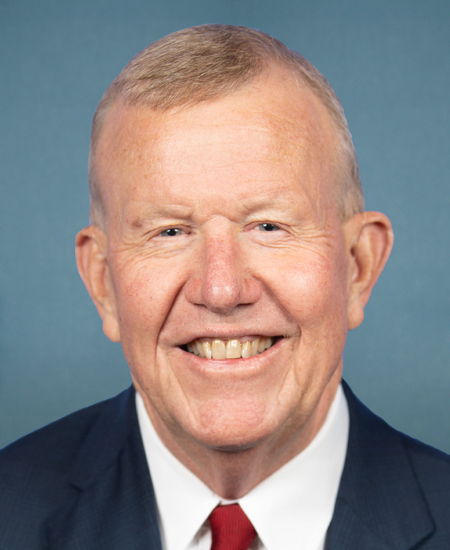
Rep. Mike Ezell
Sponsored bills
Maddy summaryThe Aquatic Invasive Species Control and Prevention Act of 2026 strengthens federal efforts to manage and prevent the spread of non-native aquatic organisms by updating existing laws and creating new funding opportunities. The bill establishes a competitive grant program to research and develop environmentally sound technologies for controlling these species, while also requiring a comprehensive study of federal regulations that might slow down rapid response actions when an invasion is detected. It mandates the creation of a national plan for inspecting and decontaminating watercraft at boat launches to stop the transfer of invasive species, and it authorizes funding to support regional panels and monitoring programs across various waterways. Additionally, the legislation updates the National Invasive Species Council's role to better coordinate federal actions and encourages the adoption of advanced ballast water management systems on ships.
Maddy summaryHR 2715, the *Destruction of Hazardous Imports Act*, expands the authority to destroy imported goods that pose public health risks. It amends the Federal Food, Drug, and Cosmetic Act to allow the Secretary of Health and Human Services to order the destruction of any refused import (not just drugs or devices) if it presents a significant health concern. The bill also prohibits the unauthorized movement, sale, or export of such refused goods. These changes apply to importers of hazardous refused articles 180 days after enactment, with the FDA required to finalize implementing regulations within 90 days.
Protecting Privacy in Purchases Act This bill prohibits payment card networks from using merchant codes that distinguish firearms retailers from general-merchandise retailers or sporting-goods retailers. The Department of Justice must enforce this bill and report annually on the resulting investigations and cases.
Maddy summaryThe Sunshine Protection Act of 2025 would make daylight saving time permanent across the United States, ending the current practice of changing clocks twice yearly. It repeals the 1966 law requiring seasonal time changes and adjusts time zone offsets to reflect permanent daylight saving time (e.g., shifting from "4 hours" to "3 hours" in historical references). States that currently opt out of daylight saving time (like Arizona and Hawaii) would retain their existing arrangements, while all other states would adopt permanent daylight saving time unless they choose to stay on standard time. This change would directly affect all U.S. residents by eliminating the need to reset clocks in spring and fall.
Maddy summaryThis bill establishes a three-year pilot program to create specialized corrosion control assistance teams within the U.S. Coast Guard, directly affecting field units and maritime assets. The program will deploy teams of qualified specialists to provide on-site technical advice, assess corrosion conditions, recommend maintenance actions, and train personnel while leveraging existing expertise from the Department of Defense. To ensure accountability, the Commandant is required to submit interim and final reports to Congress detailing the program's effectiveness, cost impacts, and recommendations for whether to make the initiative permanent.
Maddy summaryThe MARA Act of 2026 establishes a new Office of Aquaculture within NOAA to oversee and promote commercial-scale offshore aquaculture projects in U.S. waters. This bill authorizes the issuance of permits for demonstration projects that must use native species, adhere to strict environmental safety standards, and minimize impacts on existing fishing and navigation. To support industry growth, the legislation creates funding for workforce training programs, establishes Aquaculture Centers of Excellence at specific universities, and mandates a unified permitting process to streamline federal approvals. Additionally, the act requires comprehensive studies and reports to assess the long-term environmental viability, economic benefits, and regulatory effectiveness of offshore aquaculture operations.
Maddy summaryThe Vessel Identification Protection Act of 2026 strengthens federal laws against tampering with boat identification numbers by making it a crime to knowingly remove, alter, or forge these marks on vessels involved in interstate commerce. This legislation directly affects boat owners, manufacturers, and dealers by prohibiting the use of unauthorized identification numbers and imposing penalties of up to five years in prison or fines for violations. Additionally, the bill increases the maximum prison sentence to ten years for anyone who buys or possesses a vessel knowing its identification number has been illegally altered or removed. Exceptions are made for damage caused by accidents like collisions or fires, and for actions authorized by the Coast Guard.
Maddy summaryThe Securing Agriculture's Workforce Act of 2026 modernizes the H-2A visa program by transferring administrative authority to the Department of Homeland Security and introducing a unified online platform to streamline applications for employers and workers. Key provisions include establishing new housing standards with mandatory inspections, creating a system for staggered worker entry and exit, and allowing workers to transfer between employers without losing their status. The bill also defines specific job classifications for wage calculations, expands the scope of covered agricultural activities, and provides legal protections for employers who document the employment of workers seeking visa status. Additionally, it requires agencies to develop a heat illness prevention plan and allows for contract termination due to natural disasters.
Maddy summaryThis bill, known as the NFIP Premium Transparency Act, requires the Federal Emergency Management Agency to provide homeowners with flood insurance policies with more detailed information about their premiums and risk factors. Under the new rules, insurance declaration pages will list current rates, explain any discounts, show claim history, and estimate how long it will take for premiums to reach full-risk levels. Additionally, the agency must create an online tool that allows the public and property owners to view specific rating factors, such as elevation and building type, and to simulate how changes like mitigation projects might lower future costs. The legislation also mandates annual reports on flood insurance rates by region and asks an independent government official to study ways to further improve the transparency and functionality of these insurance tools.