Maddy summaryThe Small Business and Consumer Credit Act of 2026 changes how certain financial institutions can use tax losses to offset future profits. It allows these banks to carry forward net operating losses for up to 20 years, with additional rules allowing them to carry losses back to previous years starting in 2028. The law specifically applies to independent banks and certain affiliated groups, requiring them to make an irrevocable election on their tax returns to use these new provisions.
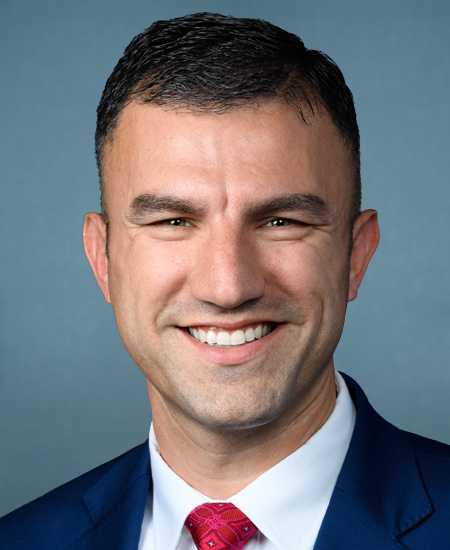
Rep. Rudy Yakym III
Sponsored bills
Repealing Big Brother Overreach Act This bill repeals the Corporate Transparency Act. The act requires existing companies and newly created companies to report beneficial ownership information to the Department of the Treasury’s Financial Crimes Enforcement Network for purposes of addressing the financing of terrorism and money laundering.
Maddy summaryHR 1468 establishes a new "CCP Initiative" within the Department of Justice's National Security Division to counter threats from the Chinese Communist Party. The initiative specifically targets intellectual property theft, economic espionage, and unauthorized technology transfers by Chinese entities, focusing on protecting U.S. businesses, academic institutions, and critical infrastructure. Key mechanisms include developing enforcement strategies, prioritizing cases involving trade secret theft and hacking, and requiring annual congressional reports on progress, resource use, and economic impacts. The initiative is designed to operate separately from other DOJ programs and will expire six years after enactment.
Maddy summaryThis bill, known as the Stopping Harmful and Outrageous Torts Act, expands legal protections for firearm manufacturers and sellers by strengthening their immunity from civil lawsuits. It requires courts to immediately dismiss any pending cases against these companies that are based on the criminal or unlawful misuse of a gun by a third party, while also clarifying that sellers are not liable for negligence in entrusting products to others. The legislation further restricts who can file such suits by prohibiting foreign governments from bringing these claims and adding a specific exception for victims under the age of 17, though it maintains immunity for cases involving design or manufacturing defects. Additionally, the bill allows companies to move these cases to federal court and grants them the right to appeal dismissal orders immediately, along with the ability to recover legal fees if they win. Finally, it preempts state and local laws that attempt to impose liability on these entities for the same types of misuse-related harms.
Maddy summaryThe Concrete Pump Tax Fairness Act introduces a new mileage-based fee for owners of mobile concrete boom pump vehicles that travel within the United States. This tax charges $0.05 per mile for vehicles weighing 60,000 pounds or less and $0.07 per mile for heavier vehicles, with payments due quarterly. The bill requires the government to create a system that uses existing vehicle technology to track mileage while protecting operator privacy and minimizing administrative burdens. Additionally, the law allows these vehicles to use existing fuel tax credits to offset the new fee and excludes them from certain existing highway use requirements. All collected fees will be deposited into the Highway Trust Fund to support road infrastructure.
Maddy summaryThe HAILEY Act of 2026 amends the PROTECT Act to update the criteria for issuing AMBER Alerts. It allows law enforcement to request these alerts for any missing person under 18 who is considered a high-risk individual, expanding the program beyond its previous focus on child abduction cases. This change applies to police agencies and the national AMBER Alert communication network, ensuring that alerts can be triggered for a broader range of endangered youth. The legislation does not alter the core requirements for issuing an alert but clarifies that the system covers all high-risk missing minors.
Maddy summaryThis resolution expresses support for designating the week of June 7 through June 13, 2026, as National Trailer Safety Week in the United States. It aims to educate American motorists about the importance of proper towing techniques and regular trailer maintenance to reduce road injuries and fatalities. The bill encourages partnerships between manufacturers, dealers, and consumers while promoting public participation in safety awareness events. As a symbolic measure, it does not create new laws or enforce specific regulations but rather highlights existing safety goals.
Maddy summaryThis bill, titled the Less Tax Paperwork for Digital Asset Owners Act, aims to simplify how individuals calculate taxes on digital assets by introducing three main changes. First, it allows taxpayers to ignore small network fees under $10 when paying for transactions, meaning they do not have to report the digital assets used to pay these fees as taxable events. Second, it creates an optional simplified accounting method for widely traded digital assets, enabling users to report gains and losses based on the total value of their holdings at the end of the year rather than tracking every single transaction. Third, it establishes specific tax rules for U.S. dollar stablecoins, treating them similarly to cash for basis and gain calculations if their value stays close to their redemption value. Additionally, the legislation updates broker reporting requirements to align with these new simplified methods and clarifies definitions for various types of digital assets to ensure consistent application of the rules.
Maddy summaryThe Abraham Accords Expansion Act of 2026 updates the legal framework for the Special Envoy to include Central Asia and the Caucasus in normalization efforts alongside existing regions. This change formally recognizes Kazakhstan as the first Central Asian nation to join the Abraham Accords and defines specific countries within the Caucasus and Central Asia regions. The bill requires the Special Envoy to coordinate with other federal agencies like Defense and Commerce while implementing these goals using existing authorities without requesting new funding. Additionally, the act allows the Special Envoy to appoint a Deputy Special Envoy with relevant regional expertise to assist in these expanded diplomatic activities.
Maddy summaryThe Protecting Kids from Creeps Act prohibits surrogacy agencies, their employees, and sex offenders from participating in surrogacy agreements, directly affecting fertility clinics, staff, and individuals required to register as sex offenders. The bill mandates severe criminal penalties, including fines and prison sentences of at least 10 to 20 years, for knowingly or recklessly facilitating such agreements, while also stripping convicted agencies of their tax-exempt status and eligibility for federal grants. Any surrogacy agreement formed in violation of these rules is declared legally void and unenforceable, meaning it cannot be used to establish parental rights. In cases where a child is born from an illegal agreement, custody decisions will be made solely based on the best interests of the child under the laws of the state where the surrogate lives, ignoring any prior contracts. Additionally, the Attorney General can pursue civil penalties equal to the compensation received or offered for prohibited conduct.