

Issue · Veterans
Veterans (Veteran Benefits)
Every veterans bill, vote, and legislator stance in United States, automatically classified by Maddy, our AI policy reader.
Total bills
428
119th Congress
Top supporter
Jefferson Van Drew
100% support rate
Top opponent
Jerrold Nadler
0% support rate
Ranked legislators
10
5 support · 5 oppose
Key legislators
Who's moving veteran benefits in United States
| Legislator | Party | Stance | Support rate | Decisive votes |
|---|---|---|---|---|
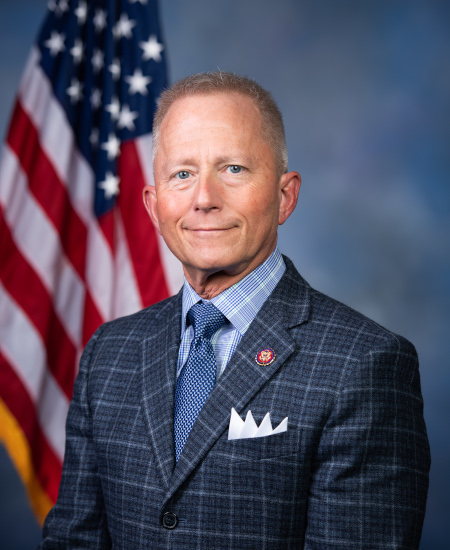
Jefferson Van Drew
House · District 2
|
R |
Strong +
|
100% | 4 |
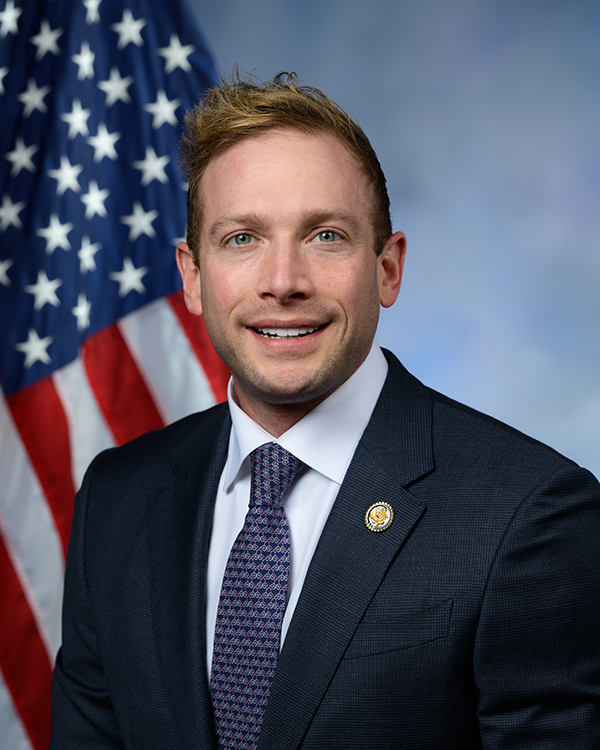
Max L. Miller
House · District 7
|
R |
Strong +
|
100% | 4 |
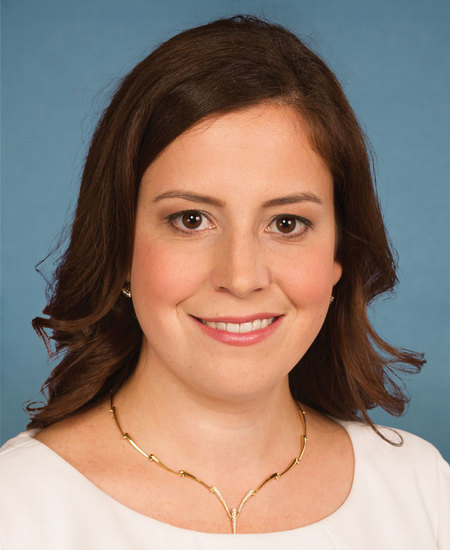
Elise M. Stefanik
House · District 21
|
R |
Strong +
|
100% | 3 |
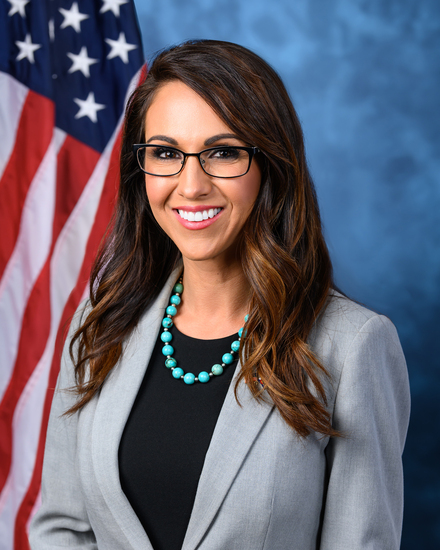
Lauren Boebert
House · District 4
|
R |
Strong +
|
100% | 3 |
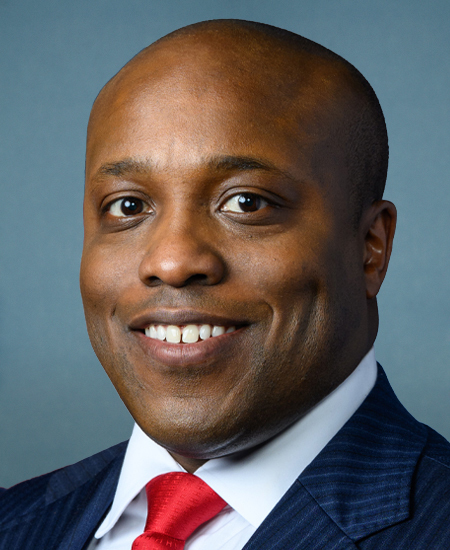
Wesley Hunt
House · District 38
|
R |
Strong +
|
100% | 3 |
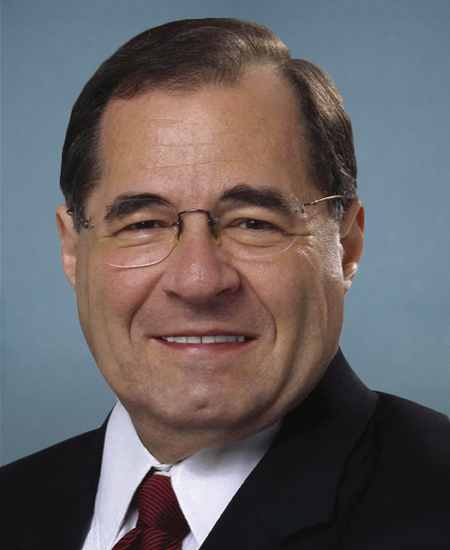
Jerrold Nadler
House · District 12
|
D |
Strong −
|
0% | 3 |

Mike Quigley
House · District 5
|
D |
Strong −
|
0% | 3 |
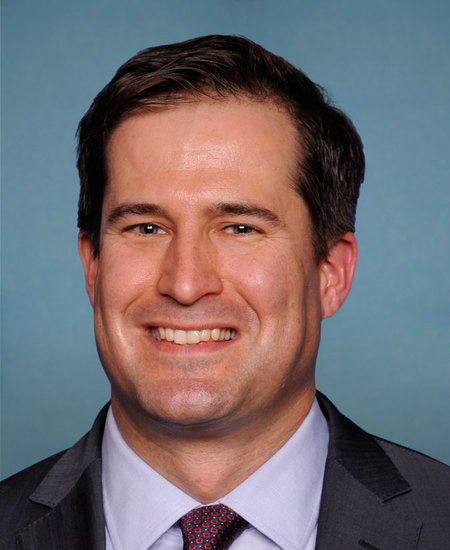
Seth Moulton
House · District 6
|
D |
Strong −
|
0% | 3 |
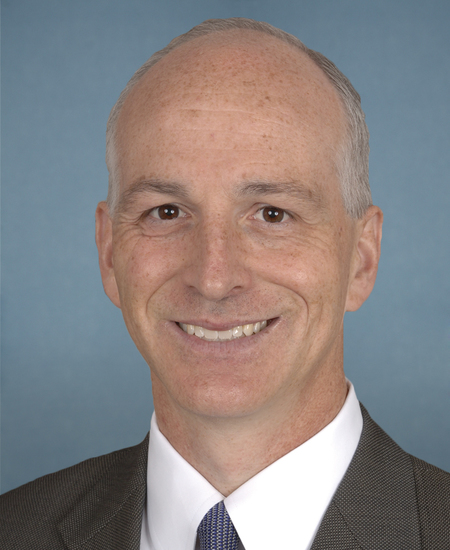
Adam Smith
House · District 9
|
D |
Oppose
|
25% | 4 |
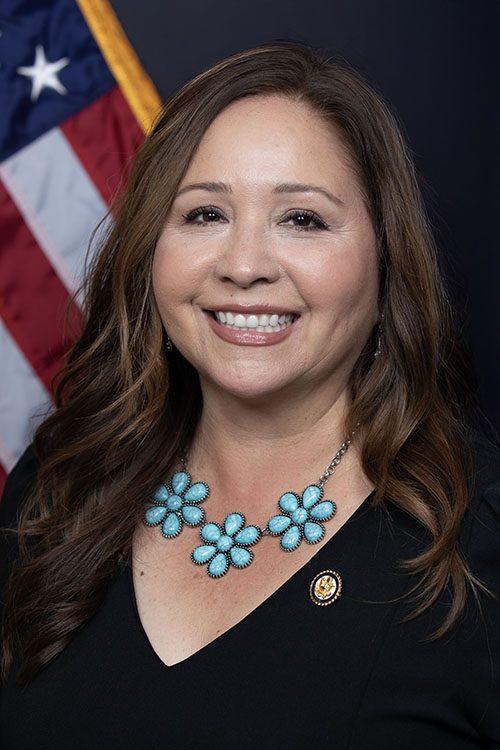
Adelita S. Grijalva
House · District 7
|
D |
Oppose
|
25% | 4 |
Showing 371–380 of 428
bills
All veterans bills
S 2493: Medical Disability Examination Improvement Act of 2025
Topics
✓ HealthcareSupports HealthcareBill improves veterans' disability exam process, enhances access to healthcare services, mandates rural access study, and requires staff training for exam adequacy.
✓ VeteransSupports VeteransBill improves veterans' disability exam process via VA facility pilot, rural access study, and staff training, directly strengthening healthcare access for veterans.
HR 2137: Review Every Veterans Claim Act of 2025
Topics
✓ HealthcareSupports HealthcarePrevents automatic denial of VA benefits for missed medical exams, improving veterans' access to healthcare services and protecting benefit rights.
✓ VeteransSupports VeteransPrevents VA from denying benefits due to missed exams, ensuring veterans' claims aren't automatically rejected. Directly protects access to benefits.
S 1308: VETS Opportunity Act of 2025
S 264: Improving Veterans’ Experience Act of 2025
Topics
✓ HealthcareSupports HealthcareBill improves VA healthcare service delivery through veteran feedback systems and experience metrics, enhancing access and satisfaction within healthcare services.
✓ VeteransSupports VeteransEstablishes VA office to collect feedback, mandate service metrics, and improve VA experience - directly advancing veterans' service delivery through enhanced oversight and data-driven improvements.
HR 5997: Helping Homeless Veterans Act of 2025
Topics
✓ Budget & TaxesSupports Budget & TaxesBill allocates $420M annual funding for veteran housing support, directly increasing government spending on public services.
✓ HousingSupports HousingIncreases annual funding for veteran housing support to $420M, directly addressing homelessness through expanded services for vulnerable veterans.
✓ VeteransSupports VeteransIncreases $420M annual funding for homeless veteran housing services, directly advancing veteran housing support and benefits through expanded funding and streamlined programs.
S 3653: Veterans’ Bill of Rights Act of 2026
Topics
✓ HealthcareSupports HealthcareBill mandates VA to protect veterans' healthcare rights, ensure transparent claims, access to community care, and prevent retaliation - directly advancing patient rights and access in VA healthcare services.
✓ VeteransSupports VeteransMandates VA to inform veterans of rights, ensure respectful treatment, transparent claims, and access to care, strengthening veteran services and healthcare protections.
S 668: SAFE STEPS for Veterans Act of 2025
Topics
✓ HealthcareSupports HealthcareCreates VA Office for falls prevention, mandates risk assessments, and sets care standards to improve veteran healthcare safety and quality within public health programs.
✓ VeteransSupports VeteransEstablishes VA Office for falls prevention, mandates assessments/training to improve veteran healthcare safety
HR 6017: Veterans Bill of Rights Act
Topics
✓ HealthcareSupports HealthcareBill mandates VA to provide written rights including healthcare access, mental health services, and Community Care options, improving veteran healthcare access and protections.
✓ VeteransSupports VeteransMandates VA to provide written rights detailing healthcare access, mental health services, and 120-day appeal resolution - directly strengthens veteran entitlements and service access.
S 2397: CARING for Our Veterans Health Act of 2025
Topics
✓ HealthcareSupports HealthcareRequires VA to improve community care coordination, set documentation standards, and mandate provider training - enhancing veteran healthcare access and quality.
✓ VeteransSupports VeteransBill mandates VA to improve coordination, set performance goals, and require training for community care providers to enhance veteran healthcare services, directly strengthening veterans' healthcare access.