

Issue · Veterans
Veterans
Every veterans bill, vote, and legislator stance in United States, automatically classified by Maddy, our AI policy reader.
Total bills
1,154
119th Congress
Top supporter
John Fetterman
88% support rate
Top opponent
Rand Paul
12% support rate
Ranked legislators
10
5 support · 5 oppose
Key legislators
Who's moving veterans in United States
| Legislator | Party | Stance | Support rate | Decisive votes |
|---|---|---|---|---|
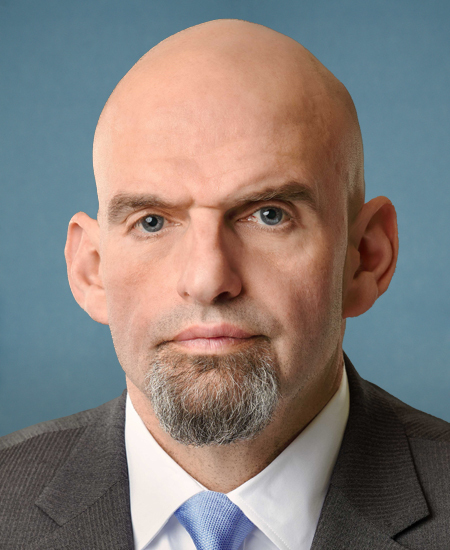
John Fetterman
Senate
|
D |
Strong +
|
88% | 40 |

Angus S. King, Jr.
Senate
|
I |
Strong +
|
83% | 42 |
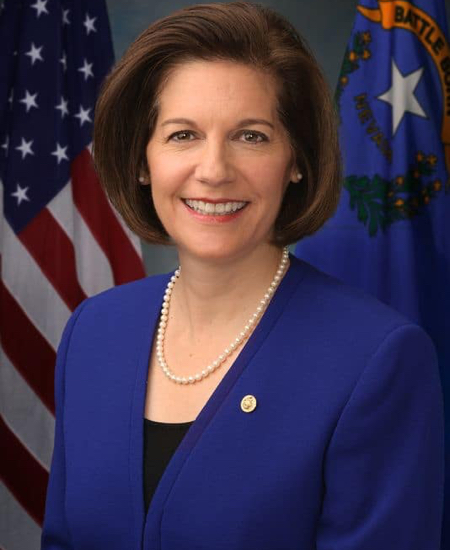
Catherine Cortez Masto
Senate
|
D |
Strong +
|
83% | 42 |
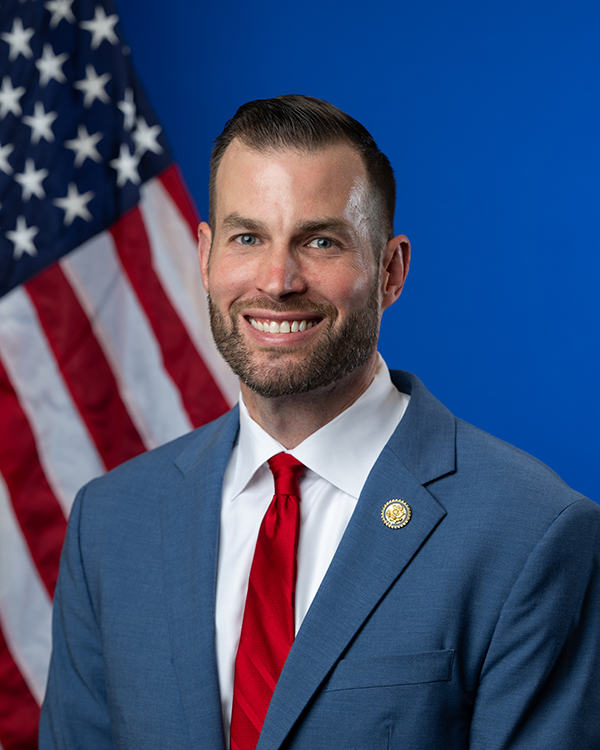
Clay Fuller
House · District 14
|
R |
Strong +
|
80% | 10 |
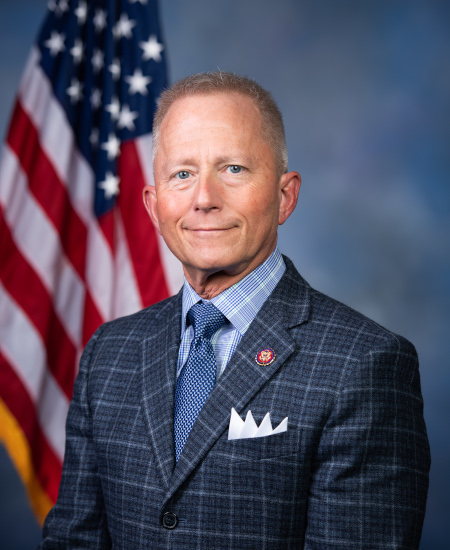
Jefferson Van Drew
House · District 2
|
R |
Support
|
76% | 17 |

Rand Paul
Senate
|
R |
Strong −
|
12% | 42 |
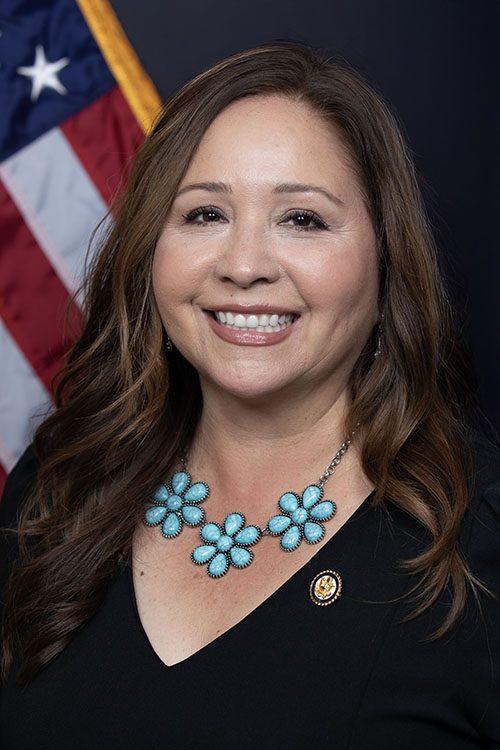
Adelita S. Grijalva
House · District 7
|
D |
Strong −
|
18% | 11 |
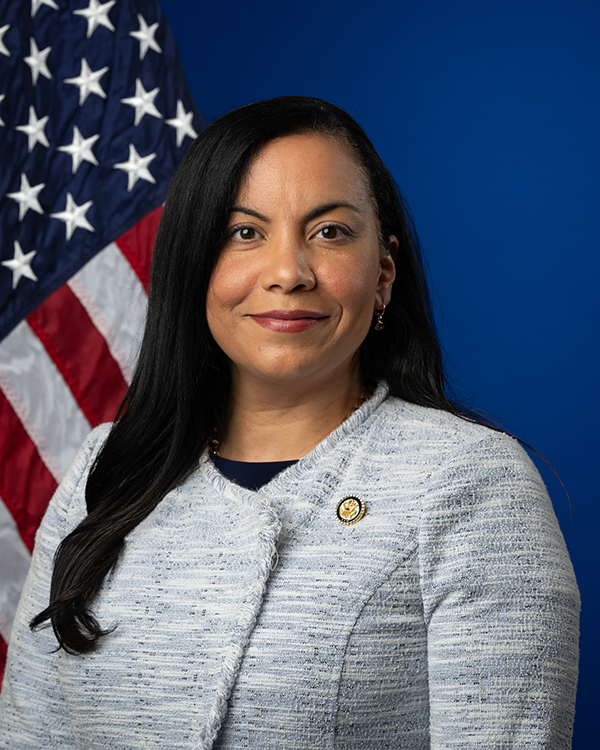
Analilia Mejia
House · District 11
|
D |
Strong −
|
20% | 10 |
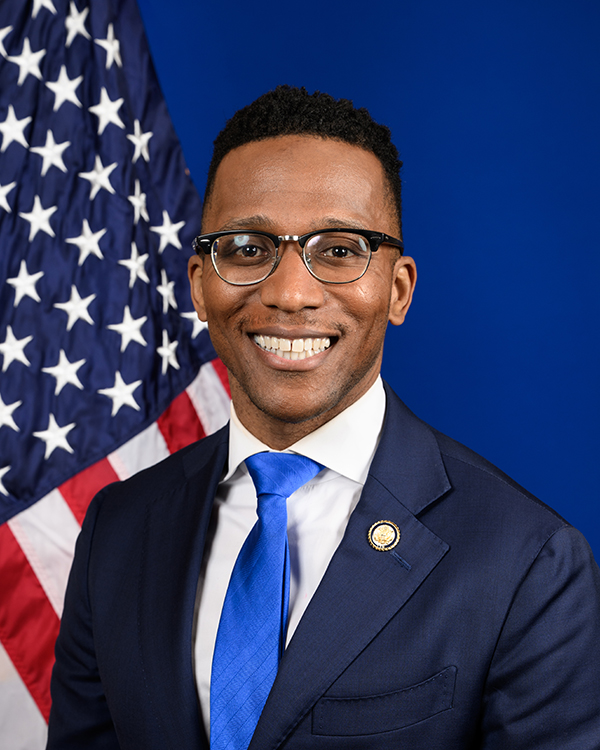
Christian D. Menefee
House · District 18
|
D |
Strong −
|
20% | 10 |
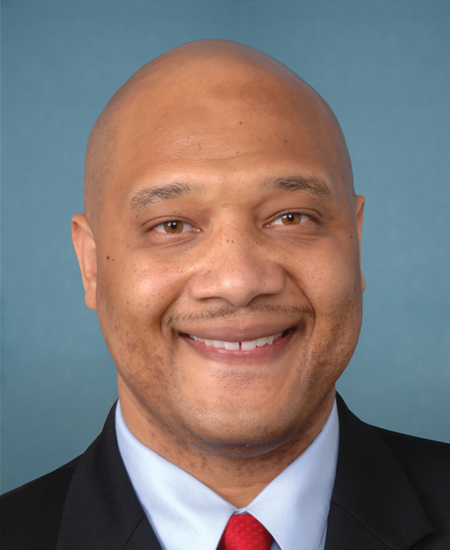
André Carson
House · District 7
|
D |
Oppose
|
25% | 16 |
Showing 1,071–1,080 of 1,154
bills
All veterans bills
HR 6993: BEACON Act of 2026
Topics
✓ HealthcareSupports HealthcareFunds $30M for mental health-focused neurorehabilitation research and treatment for veterans, directly supporting healthcare services.
✓ VeteransSupports VeteransAuthorizes $30M for veteran mTBI treatment programs, prioritizing mental health outcomes, suicide risk reduction, and non-drug rehab - directly funds and advances veterans' healthcare services.
HR 554: Veteran’s Choice Accountability Act
Topics
✓ HealthcareSupports HealthcareBill mandates VA to maintain specialized care centers and assess implementation, strengthening VA healthcare services without restricting access or funding.
✓ VeteransSupports VeteransRequires VA to maintain specialized healthcare services as centers of excellence and assess implementation of existing VA programs, strengthening veteran care delivery.
SRES 566: A resolution recognizing that care provided by employees of the Department of Veterans Affairs is essential for meeting the health care needs of veterans of the United States.
Topics
✓ HealthcareSupports HealthcareRecognizes VA care as essential for veterans, highlights high trust and quality metrics, urges VA to support employees, reaffirming commitment to quality veteran healthcare access.
✓ VeteransSupports VeteransBill explicitly recognizes VA employees' essential role in veteran healthcare, highlights VA's service to 7M+ patients, and urges support for VA staff to maintain quality care.
HR 4169: Preventing Crimes Against Veterans Act of 2025
Topics
✓ Criminal JusticeSupports Criminal JusticeCreates new federal crime for veterans' benefits fraud, enhancing legal protection against financial crimes targeting veterans, directly strengthening criminal justice safeguards.
✓ VeteransSupports VeteransBill criminalizes fraud against veterans' benefits, protecting existing entitlements from theft per Section 1352. Explicitly prevents harm to veterans' benefits.
HR 1290: Veterans Mental Health Crisis Referral Enhancement Act of 2025
Topics
✓ HealthcareSupports HealthcareExpands mental health access via VA referrals, authorizes $3M pilot to reduce wait times and improve veteran crisis response in mental health services.
✓ VeteransSupports VeteransBill mandates VA pilot program connecting veterans in mental health crises with non-VA providers, requiring referrals within one week and authorizing $3M funding to improve access to care.
HR 553: BRAVE Act
Topics
✓ HealthcareSupports HealthcareCreates VA system to proactively connect veterans with mental health services, expanding access to care and aligning with mental health support indicators.
✓ VeteransSupports VeteransCreates VA system for proactive mental health outreach to veterans, enhancing access to care without restrictions
HR 1824: Supporting Disabled National Guardsmen Act
Topics
✓ HealthcareSupports HealthcareExpands VA healthcare eligibility for disabled National Guard members injured during State active duty, directly advancing healthcare access for this group.
✓ VeteransSupports VeteransBill expands benefits for National Guard veterans by adding State active duty to qualifying service and creating new VA healthcare eligibility for disabilities incurred during such duty, directly advancing veterans' healthcare and benefits.
SRES 28: A resolution honoring the service of women in combat roles in the Armed Forces.
SRES 415: A resolution designating the week of September 21 through September 27, 2025, as "Gold Star Families Remembrance Week".
Sub-Topics
Memorials & Recognition