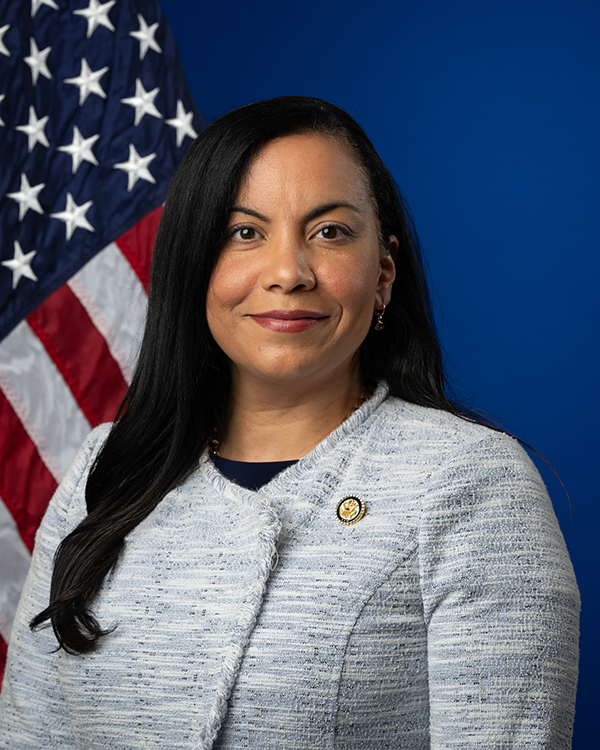
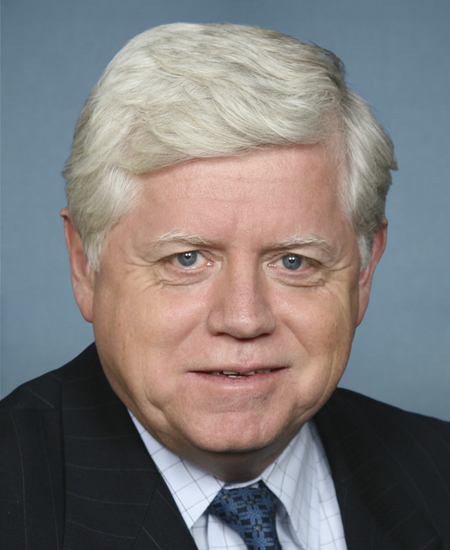
Key legislators
Who's moving veterans in United States
Showing 3 of 3
bills
All veterans bills
This bill creates a program to correct burial markers for American-Jewish servicemembers who died in World War I or II and were mistakenly buried under Latin crosses (a Christian symbol) in overseas U.S. military cemeteries. The American Battle Monuments Commission will run this 10-year program, authorizing $500,000 annually to contract with qualified nonprofit organizations to identify affected veterans and contact their families. It directly affects Jewish veterans buried overseas with incorrect markers and their descendants, ensuring their religious heritage is properly recognized. The program requires nonprofits to verify burial records and facilitate marker corrections, with priority given to organizations experienced in Jewish military history.
This joint resolution seeks to disapprove a rule from the Bureau of Consumer Financial Protection that would have removed protections for active-duty military service members and their dependents. The bill directly affects the Bureau of Consumer Financial Protection and military personnel by preventing the withdrawal of regulations that require financial institutions to examine risks to servicemembers. If passed, the resolution would keep existing rules in place that mandate banks and lenders assess how their products impact active-duty military families. The measure uses a congressional veto process to block the agency's attempt to eliminate these examination requirements.
SJRES 103 is a congressional disapproval resolution targeting a Department of Veterans Affairs (VA) rule on reproductive health services for veterans. The resolution, if passed, would block the VA rule from taking effect by invoking the Congressional Review Act (Chapter 8 of Title 5, U.S. Code), meaning the rule published in the Federal Register (December 31, 2025) would have no legal force. This directly affects the VA’s ability to implement new guidelines for reproductive health services at its facilities, preserving existing policies instead. The resolution does not create new policy but halts a specific administrative rule.