Issue · Transportation

Transportation (Vehicle Registration)

Every transportation bill, vote, and legislator stance in United States, automatically classified by Maddy, our AI policy reader.

Total bills
26
119th Congress
Top supporter
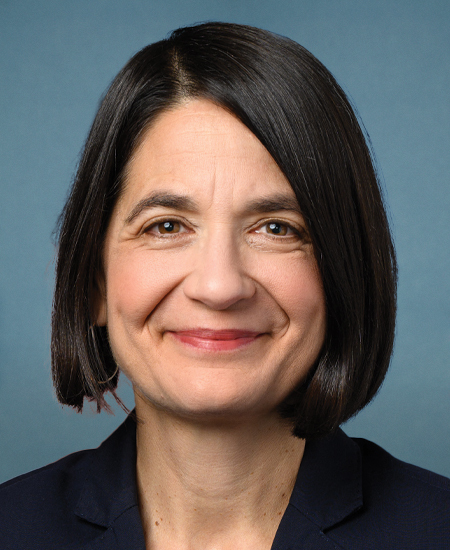
Becca Balint
100% support rate
Top opponent
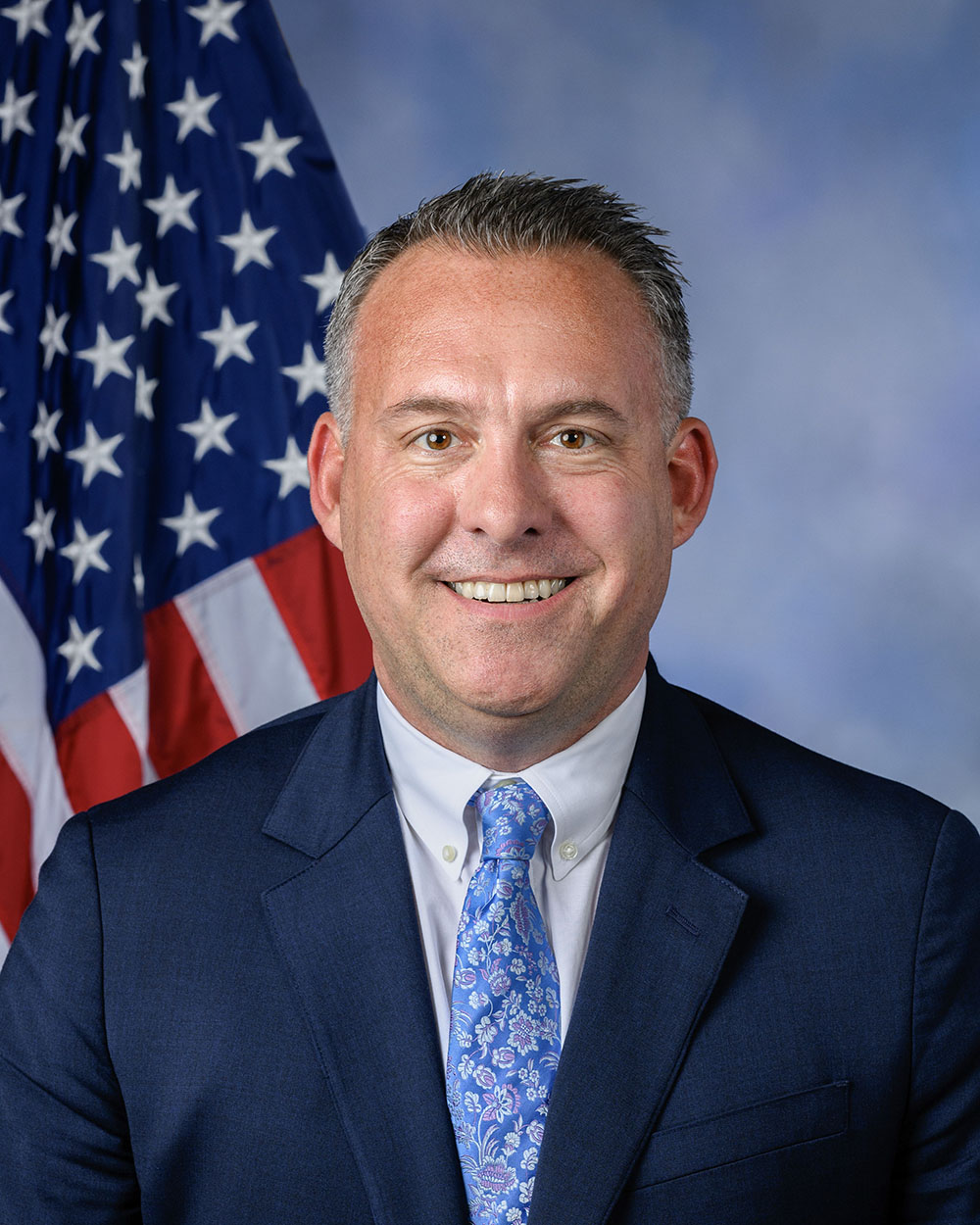
John James
0% support rate
Ranked legislators
10
5 support · 5 oppose
Key legislators

Who's moving vehicle registration in United States

Legislators moving vehicle registration in United States
Legislator Party Stance Support rate Votes
Becca Balint
Becca Balint House · District At-Large
D
Strong +
100% 5
Adam Gray
Adam Gray House · District 13
D
Strong +
83% 6
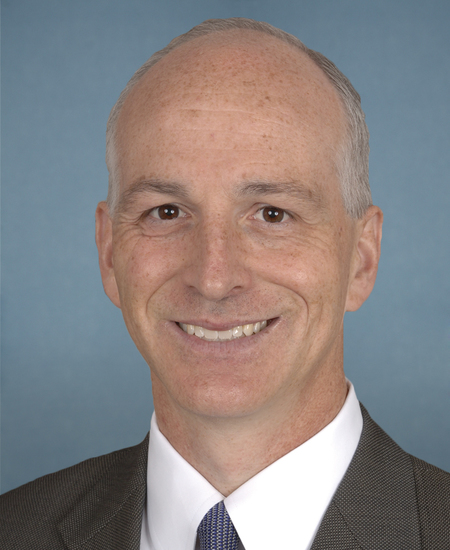
Adam Smith
Adam Smith House · District 9
D
Strong +
83% 6
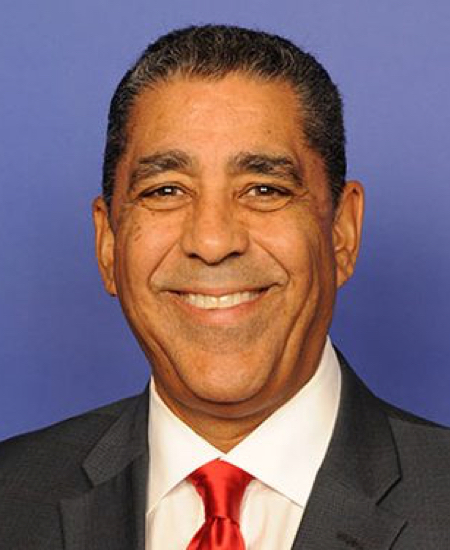
Adriano Espaillat
Adriano Espaillat House · District 13
D
Strong +
83% 6
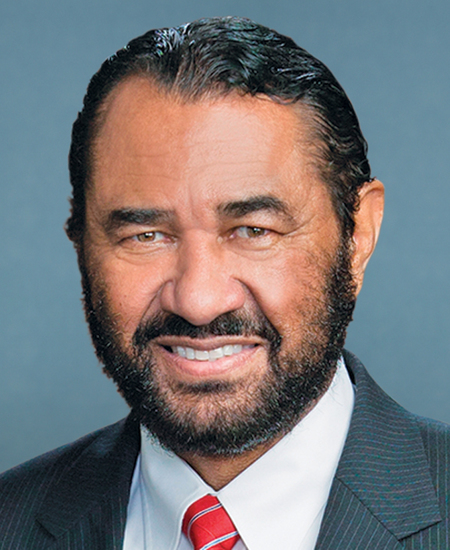
Al Green
Al Green House · District 9
D
Strong +
83% 6
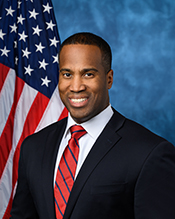
John James
John James House · District 10
R
Strong −
0% 5
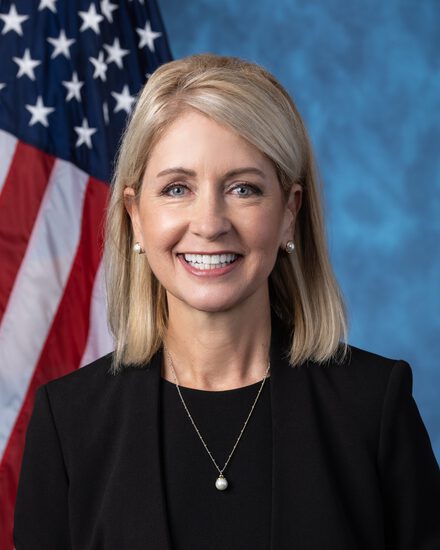
Mary E. Miller
Mary E. Miller House · District 15
R
Strong −
0% 5
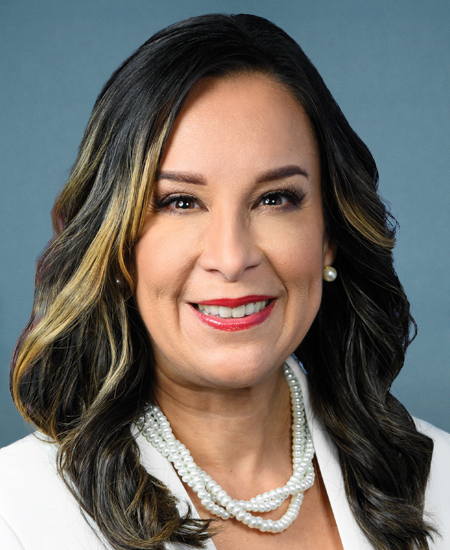
Monica De La Cruz
Monica De La Cruz House · District 15
R
Strong −
0% 3
Aaron Bean
Aaron Bean House · District 4
R
Strong −
17% 6
Abraham J. Hamadeh
Abraham J. Hamadeh House · District 8
R
Strong −
17% 6
Showing 1–10 of 26 bills

All transportation bills

in committee · United States · House Jun 9, 2026

HR 9225: To require the Administrator of the Federal Aviation Administration to conduct a study to assess whether certain aircraft certified under part 23 of title 14, Code of Federal Regulations, may be used in operations conducted under part 121 of such title, and for other purposes.

This bill directs the Federal Aviation Administration to conduct a study within 180 days to determine if smaller aircraft, designed for 10 to 19 passengers, can be safely used for scheduled commercial flights. The investigation must examine how allowing these planes in commercial service would affect the economics for airlines serving small communities, review regulations in other countries, and gather input from manufacturers, rural communities, and safety experts. Once the study is finished, the FAA Administrator will submit a report detailing the findings to both the House and Senate committees.
in committee · United States · House Apr 28, 2026

HR 8550: To allow States to require payment of State fees related to boating as a condition for issuance of a vessel number and to collect such fees in conjunction with other fees related to vessel numbering.

This bill allows states to charge fees to boat owners when issuing vessel registration numbers. The collected funds can be used for specific purposes such as search and rescue, boater safety programs, and efforts to control aquatic invasive species. States are permitted to collect these fees alongside other standard registration charges. The legislation also restricts how the money can be spent, ensuring it is only used for activities that directly benefit recreational boating and waterway safety.
in committee · United States · House Apr 16, 2026

HR 8348: To amend title 23, United States Code, with respect to the amounts States are guaranteed under the highway apportionment formula, and for other purposes.

This bill amends federal law concerning the distribution of highway funds to states. It establishes a new minimum funding guarantee, ensuring that each state receives at least 0.5 percent of the total funds allocated through the federal highway apportionment formula. This change provides a baseline level of federal funding for state highway programs.
in committee · United States · House Apr 21, 2026

HR 8399: STAR Act

The STAR Act (HR 8399) aims to remove certain restrictions on how federal transit funds can be used. Specifically, it amends sections of title 49, United States Code, related to federal transit programs. The bill strikes provisions that currently prohibit the use of federal funds for acquiring transit rolling stock manufactured outside the United States and for constructing bus revenue vehicles by manufacturers not established in the U
in committee · United States · House Mar 5, 2026

HR 7797: Toll Evasion Prevention and Plate Visibility Act of 2026

This bill, titled the Toll Evasion Prevention and Plate Visibility Act of 2026, prohibits the sale of products designed to obscure license plates and bans the sale of counterfeit or altered plates. It gives the Federal Trade Commission authority to enforce these rules and allows the Federal Highway Administration to issue guidance on plate design and frames that affect readability. The legislation also establishes a grant program to help states and local agencies develop technology systems to identify vehicles that evade tolls and provides $10 million in funding from 2027 to 2030 for these efforts.
in committee · United States · House Feb 28, 2025

HR 718: Public Lands in Public Hands Act

This bill prohibits the U.S. Interior and Agriculture Secretaries from transferring title of certain federal lands to non-government entities. It specifically blocks transfers of lands that are publicly accessible (via roads, trails, or waterways) or adjacent to such lands, unless the land is under 300 acres or meets specific exceptions. Key exceptions include small parcels under 5 acres accessible by water, transfers authorized by historical laws like the Alaska Statehood Act, and land exchanges already permitted by federal law. The bill does not affect existing transfers under these authorized programs or prevent agencies from subdividing land to meet acreage thresholds.
in committee · United States · Senate May 1, 2025

S 1577: A bill to amend section 1151 of title 14, United States Code, to modify the restriction on construction of Coast Guard vessels in foreign shipyards.

This bill modifies restrictions on building Coast Guard vessels in foreign shipyards. It allows limited exceptions under strict conditions: the President must certify a foreign shipyard meets specific criteria (like being in NATO or a US defense treaty region), offers lower costs, and faster delivery than domestic yards, and has proven performance for Coast Guard missions. It also permits acquiring completed vessels from qualifying foreign shipyards if the foreign government provides a warranty agreement. These changes directly affect Coast Guard procurement decisions regarding vessel construction.
in committee · United States · House Jun 10, 2025

HR 3842: To amend title 46, United States Code, to include the replacement or purchase of additional cargo handling equipment as an eligible purpose for Capital Construction Funds, and for other purposes.

This bill amends U.S. Code to allow marine terminals to use Capital Construction Funds for purchasing or replacing U.S.-made cargo handling equipment (like cranes or loaders), or foreign-made equipment only if U.S. options are unavailable or unsuitable. It directly affects U.S. marine terminals operating at ports, enabling them to fund equipment upgrades with federal funds. Key provisions include banning purchases of Chinese-made cranes, prohibiting fully automated equipment that could cause job losses, and requiring the Secretary to annually publish U.S. equipment availability. The bill updates existing fund rules without creating new programs, focusing on domestic equipment use and job impact.
in committee · United States · House Jan 20, 2025

HR 568: Auto Theft Prevention Act

This bill creates a federal grant program to help state and local law enforcement combat auto theft and stolen vehicle trafficking. It authorizes $30 million annually (2026-2030) based on each state’s prior year auto theft rates, requiring states to allocate at least 50% of funds to local agencies in high-theft areas and 25% to state agencies. Funds can be used for specific auto theft prevention activities, including purchasing equipment (like license plate readers), hiring staff, training officers, and funding data collection. The program directly affects state and local law enforcement agencies by providing targeted funding for proven anti-theft measures.
in committee · United States · Senate Aug 1, 2025

S 2661: A bill to allow for the use of risk-based inspections for in-service breakout tanks.

This bill allows pipeline facility owners and operators to use risk-based inspections instead of fixed schedules for in-service breakout tanks (tanks that temporarily store hazardous liquids during pipeline operations). It requires the Pipeline and Hazardous Materials Safety Administration to update federal regulations (49 CFR §195.432) to formally permit this approach within 60 days of the bill's enactment. The key change shifts inspection requirements from time-based checks to assessments focused on actual risk factors like tank condition or location. This directly affects pipeline operators subject to federal safety rules under Title 49 of the U.S. Code. The bill does not alter safety standards but changes how compliance is demonstrated.
Showing 1 to 10 of 26 bills
1 2 3 Next