Issue · Transportation

Transportation (Airports)

Every transportation bill, vote, and legislator stance in United States, automatically classified by Maddy, our AI policy reader.

Total bills
117
119th Congress
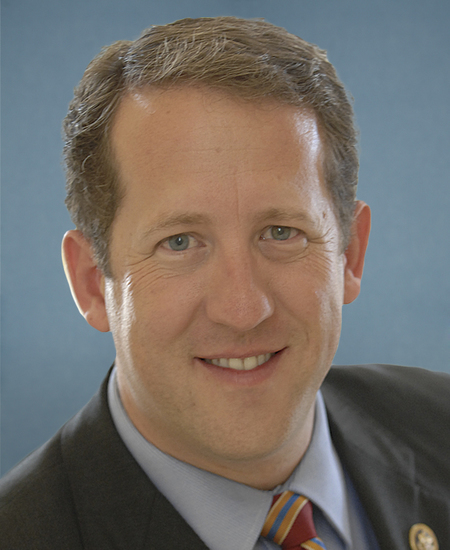
Top supporter
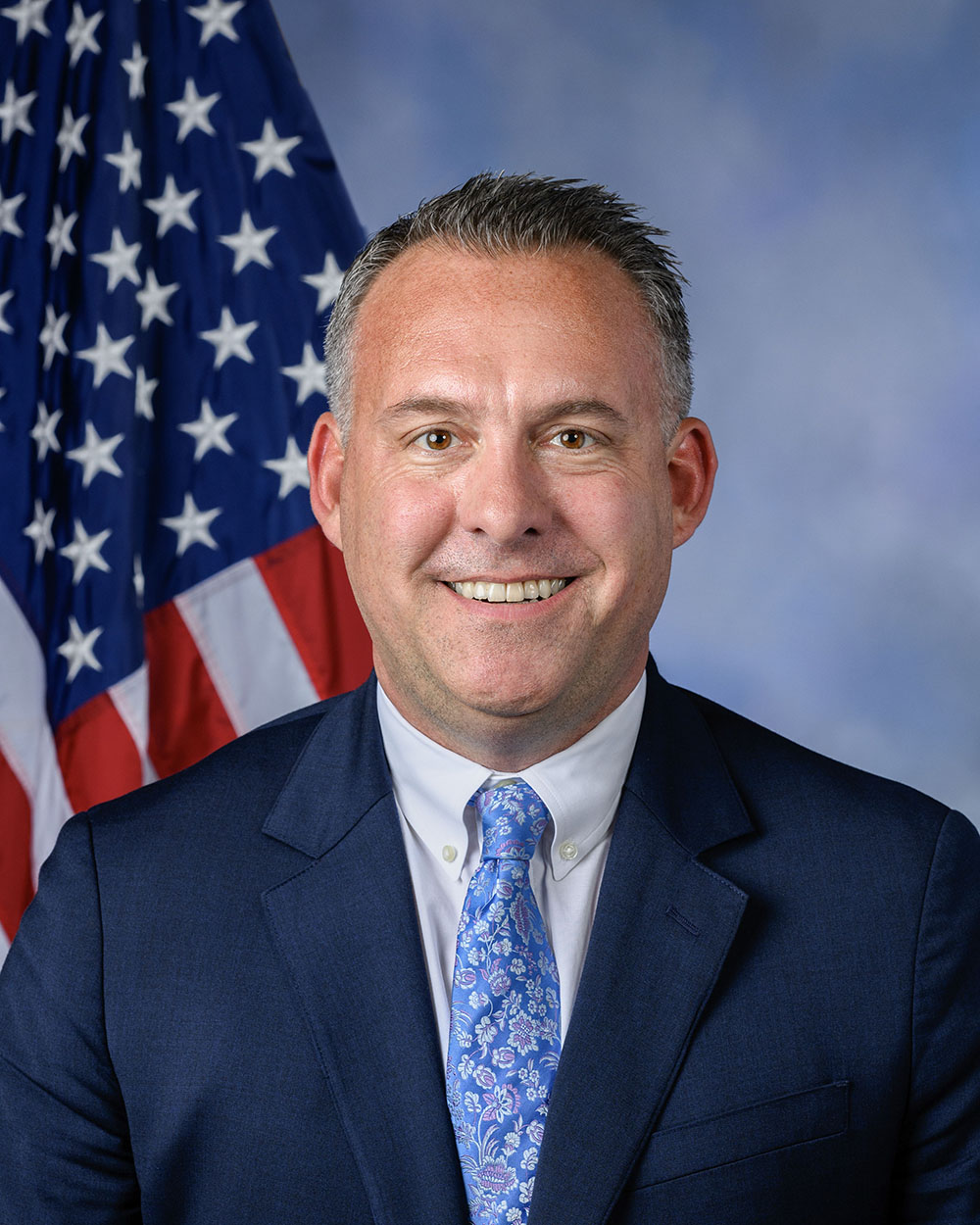
Adam Gray
100% support rate
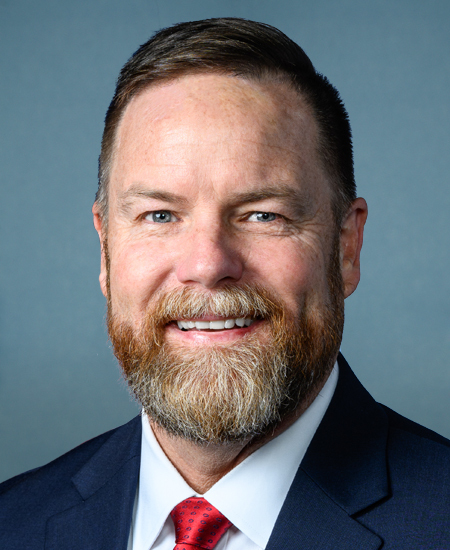
Top opponent
Aaron Bean
0% support rate
Ranked legislators
10
5 support · 5 oppose
Key legislators

Who's moving airports in United States

Legislators moving airports in United States
Legislator Party Stance Support rate Votes
Adam Gray
Adam Gray House · District 13
D
Strong +
100% 3
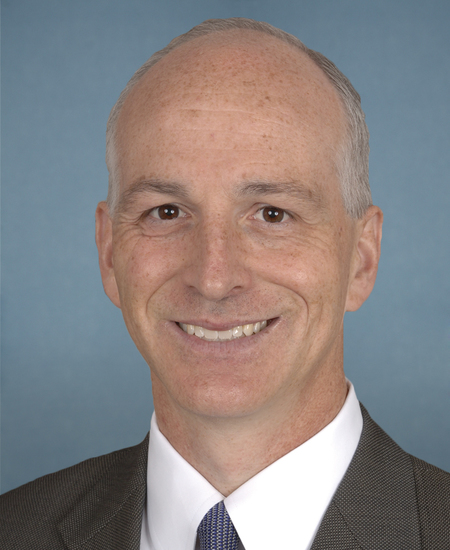
Adam Smith
Adam Smith House · District 9
D
Strong +
100% 3
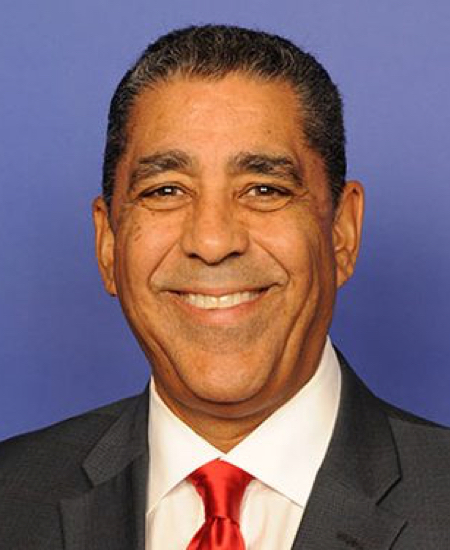
Adriano Espaillat
Adriano Espaillat House · District 13
D
Strong +
100% 3
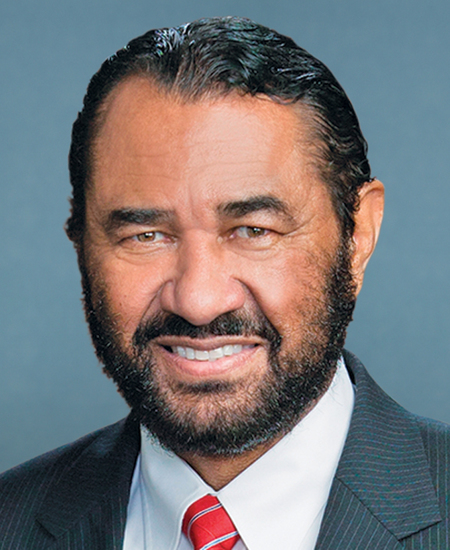
Al Green
Al Green House · District 9
D
Strong +
100% 3
Alexandria Ocasio-Cortez
Alexandria Ocasio-Cortez House · District 14
D
Strong +
100% 3
Aaron Bean
Aaron Bean House · District 4
R
Strong −
0% 3
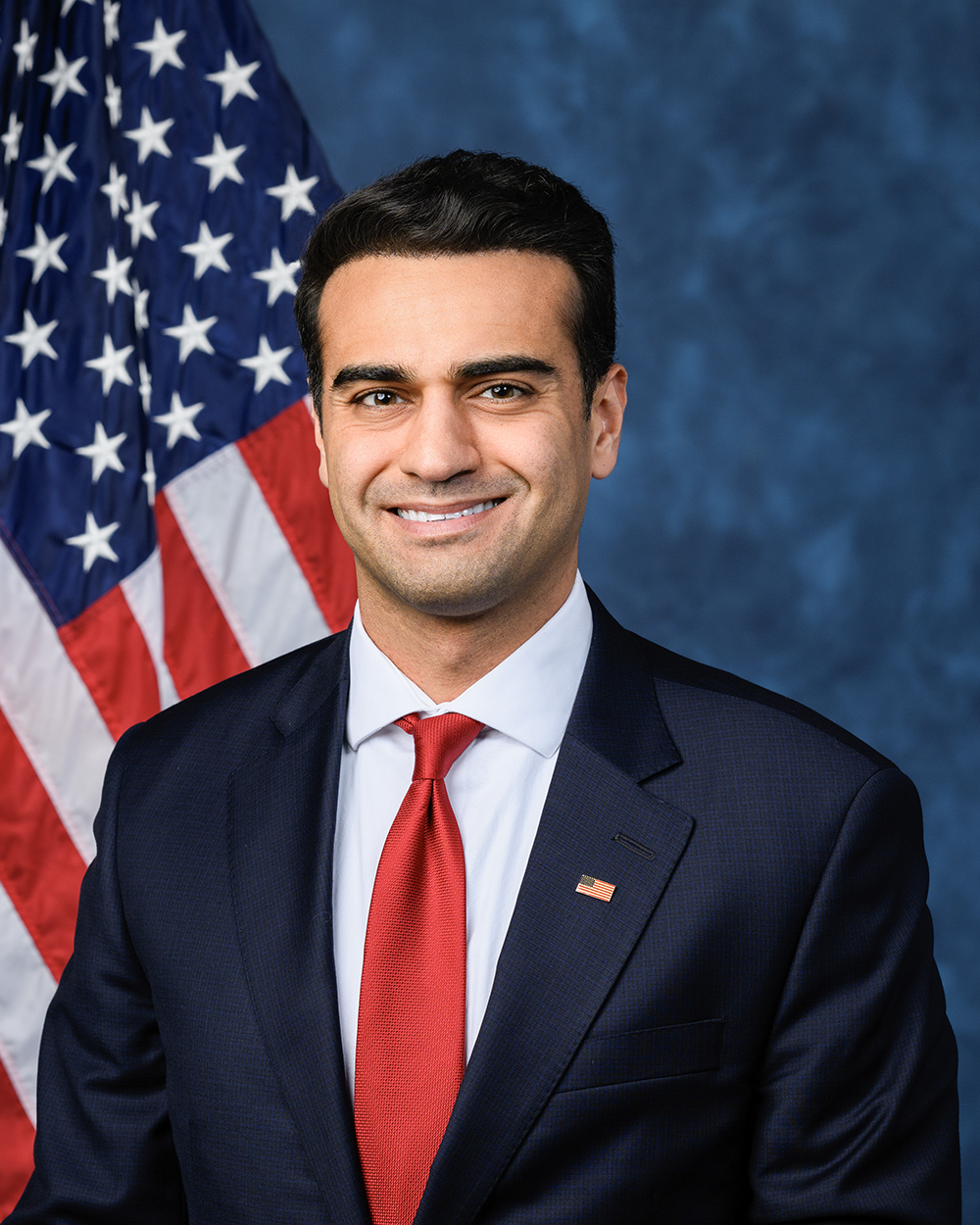
Abraham J. Hamadeh
Abraham J. Hamadeh House · District 8
R
Strong −
0% 3
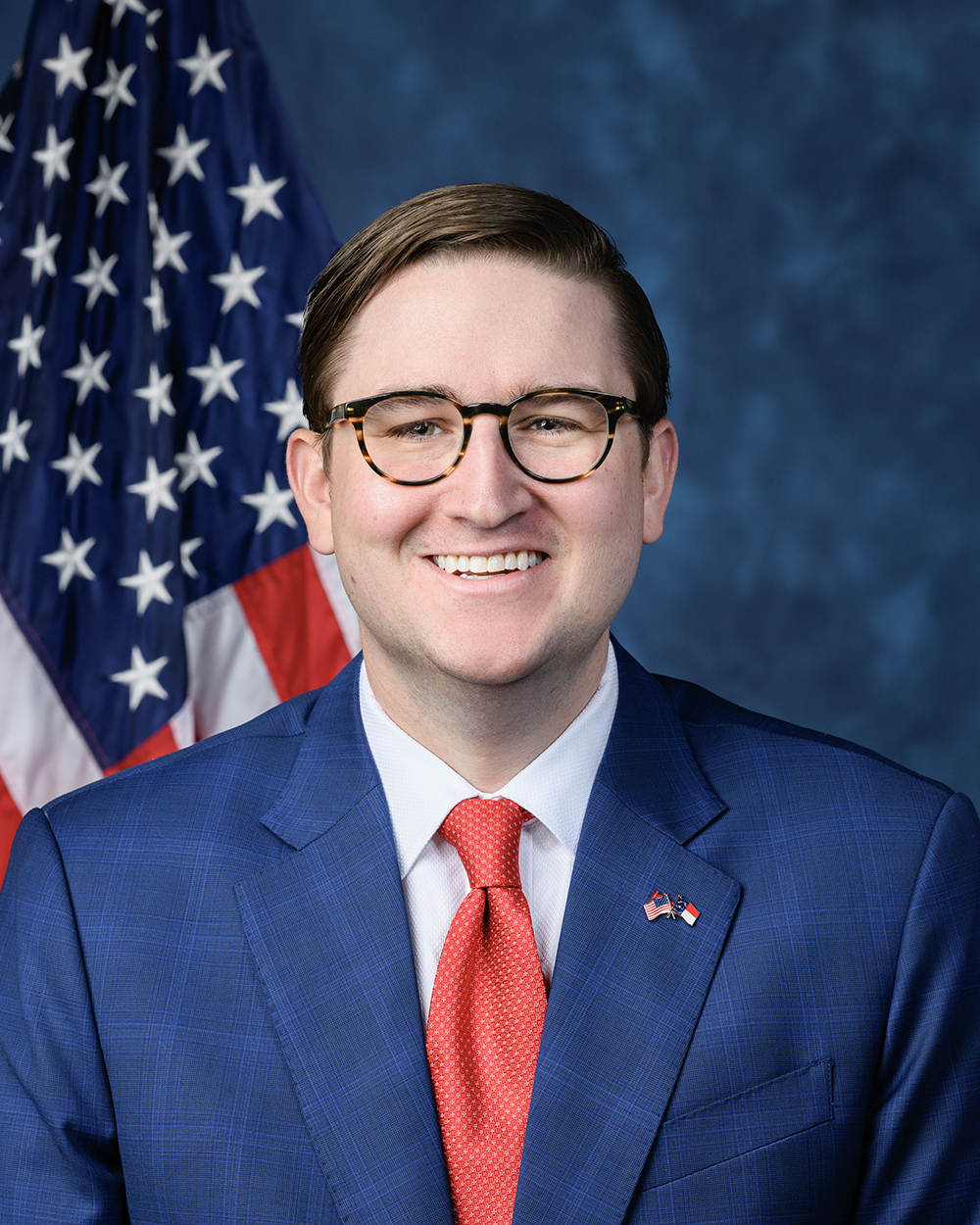
Addison P. McDowell
Addison P. McDowell House · District 6
R
Strong −
0% 3
Adrian Smith
Adrian Smith House · District 3
R
Strong −
0% 3
Andrew Ogles
Andrew Ogles House · District 5
R
Strong −
0% 3
Showing 1–10 of 117 bills

All transportation bills

in committee · United States · House Sep 4, 2026

HR 10303: FLIGHT DECK Act

The FLIGHT DECK Act requires the Federal Aviation Administration to create a voluntary program that allows certified air traffic controllers to sit on the flight deck of commercial or general aviation aircraft during flights. This initiative is designed to help controllers better understand the onboard conditions and complex requirements faced by flight crews. Participation is limited to one round trip within the United States, its territories, Alaska, and Hawaii, with no government reimbursement for travel expenses. The FAA must consult with pilot and controller unions to establish safety policies and ticketing rules, and it must submit a report to Congress one year after the program begins detailing participation levels and any barriers encountered.
Sub-Topics Airports
in committee · United States · House Sep 8, 2026

HR 10304: Drone Safety Statement Modernization Act

The Drone Safety Statement Modernization Act requires manufacturers of small unmanned aircraft systems to provide a safety statement to operators at the time they first activate their drones. Operators must electronically acknowledge that they have read and understood this document, which covers applicable laws, airspace restrictions, and potential penalties for unsafe operation. The Federal Aviation Administration is tasked with developing these requirements and issuing an example statement within 120 days of enactment. The FAA must also review and update the safety statement requirements annually to ensure they remain current.
Sub-Topics Airports
in committee · United States · Senate Aug 6, 2026

S 5311: Cabin Air Safety Act of 2026

The Cabin Air Safety Act of 2026 mandates that commercial airlines install real-time air quality monitoring equipment on their aircraft to detect engine oil or hydraulic fluid fumes, while also requiring annual safety training for pilots, flight attendants, and mechanics. The bill establishes a standardized reporting system for these events, allowing the Federal Aviation Administration (FAA) to investigate incidents where medical attention is required and to share aggregated data with the public through a searchable website. Additionally, it requires aircraft manufacturers to include procedures for responding to air quality alerts in their flight manuals and directs the FAA to continue researching technologies that prevent cabin air contamination.
Sub-Topics Airports
in committee · United States · Senate Aug 4, 2026

S 5224: Runway SAFE-T Act

The Runway SAFE-T Act establishes a task force to study and recommend improvements for driver training programs at airports, ensuring that ground vehicle operators receive consistent and modern safety instruction. Additionally, the bill authorizes federal grants from 2027 to 2031 to help airports purchase advanced technologies, such as sensors and simulation systems, that enhance situational awareness and reduce vehicle-related safety incidents on airport runways and taxiways. These grants are intended to assist airport sponsors in overcoming barriers like cost and workforce availability while prioritizing projects tailored to specific airport layouts and safety needs.
Sub-Topics Airports
in committee · United States · Senate Jul 22, 2026

S 5086: ASAP Act

The ASAP Act authorizes $350 million annually to help states and local governments upgrade accessibility at older rail stations and facilities that were built before 1990. These funds can be used to retrofit infrastructure such as platforms and entrances to meet modern disability standards, ensuring they are usable by people who use wheelchairs or have sensory and intellectual disabilities. To receive funding, recipients must create a plan that addresses accessibility for all types of disabilities and considers equity for low-income riders and communities of color. The bill also requires that the Secretary of Transportation encourage coordination with disability advocacy groups to assess project needs and progress.
Sub-Topics Airports Rail
in committee · United States · House Jul 23, 2026

HR 9896: WINGS Act of 2026

The WINGS Act of 2026 expands federal financial aid eligibility to cover specific aviation training expenses for students enrolled in qualifying aviation programs at colleges and universities. Under this bill, students could use federal funds to pay for costs such as flight simulator hours, aircraft instruction, aviation training materials, and licensing exam fees. The legislation defines eligible programs as those offering associate's or bachelor's degrees in aviation-related fields and includes professional degree programs that meet specific regulatory training standards. These changes would take effect on July 1, 2027, allowing students to access financial support for practical aviation training components starting with the 2027-2028 award year.
in committee · United States · Senate Jun 18, 2026

S 4829: Air Carrier Access Amendments Act

The Air Carrier Access Amendments Act updates the Air Carrier Access Act to better protect individuals with disabilities from discrimination when traveling by air. It specifically addresses issues such as damaged wheelchairs, physical harm to passengers, inadequate assistance, and mistreatment of service animals. The bill introduces new civil penalties for these violations and allows aggrieved individuals to file lawsuits directly in federal court without first exhausting administrative remedies. Additionally, it grants the Attorney General the authority to sue on behalf of victims and to seek damages in cases involving patterns of discrimination.
Sub-Topics Airports
in committee · United States · Senate Jul 15, 2026

S 4990: McCarty and Heideman Air Safety Enhancement Act

The McCarty and Heideman Air Safety Enhancement Act directs the Federal Aviation Administration to review its policies on low-altitude airspace safety, specifically focusing on hazards created by temporary structures like slacklines and highlines. This review will involve consulting with various aviation stakeholders, including pilots, drone operators, and land management agencies, to assess current marking requirements and data accuracy. If the FAA finds that existing rules are insufficient, it must update regulations within a year to better identify these obstructions in flight planning tools and improve coordination with local authorities. Additionally, the agency is required to report its findings and any recommended policy changes to Congress within nine months of completing the review.
Sub-Topics Airports
in committee · United States · House Jul 15, 2026

HR 9695: McCarty and Heideman Air Safety Enhancement Act

The McCarty and Heideman Air Safety Enhancement Act directs the Federal Aviation Administration to review its policies on low-altitude airspace safety, specifically focusing on hazards created by temporary obstructions like slacklines and highlines. This review must involve various aviation stakeholders and examine whether current rules for marking, lighting, and reporting these obstacles are effective in preventing aircraft strikes. If the FAA finds existing guidelines insufficient, it is required to update regulations within a year to improve how these hazards are depicted in flight planning tools and communicated to pilots. Additionally, the agency must report its findings and any proposed rule changes to Congress within 90 days of completing the review.
Sub-Topics Airports
in committee · United States · House Jul 9, 2026

HR 9622: Modernizing Aeronautical Standards Act

The Modernizing Aeronautical Standards Act requires NASA to conduct a study on updating current aviation standards to account for changing atmospheric conditions. This study will analyze how variations in temperature and other weather factors over the past 50 years impact the performance, maintenance costs, and operational limits of the top ten most-used commercial aircraft at the nation's busiest airports. The report will also assess necessary infrastructure investments and design modifications for future planes, with results to be shared with Congress within 18 months.
Sub-Topics Airports
Showing 1 to 10 of 117 bills
1 2 3 12 Next