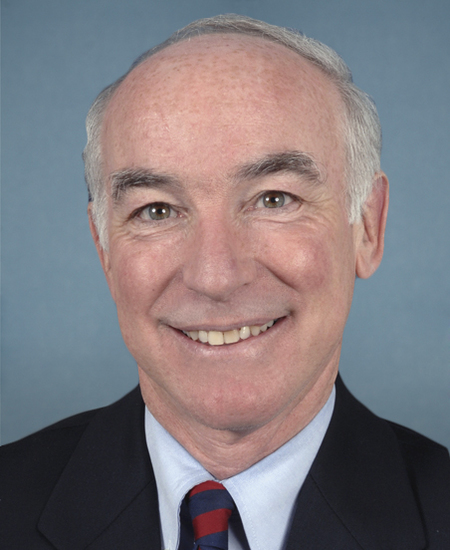
The HEAL Act (HR 5277) updates transportation benefits for veterans receiving care at Department of Veterans Affairs facilities. It sets mileage reimbursement rates to match General Services Administration rates for private vehicles (replacing the fixed 41.5 cents per mile), prohibits deductibles for travel to medical appointments, and expands eligible transportation providers to include veterans service organizations and local government agencies. This directly affects veterans needing VA medical transportation and the organizations providing that service. The bill amends Title 38, U.S. Code, sections 111 and 111A to implement these changes.
The American Energy Independence and Affordability Act extends multiple clean energy tax credits that were set to expire between 2025 and 2026. It specifically extends residential clean energy credits through 2034, clean electricity investment credits for wind and solar through 2032, and clean vehicle credits for electric vehicles through 2032. The bill also reinstates special rates for sustainable aviation fuel and modifies requirements for energy-efficient home improvements. These provisions directly affect homeowners installing solar panels, businesses investing in clean energy infrastructure, and manufacturers producing clean energy equipment.
This bill reimburses North Carolina communities for repairing private roads and bridges damaged by Tropical Storm Helene, specifically for those serving as the sole access to homes or essential services (like clinics or grocery stores). It allows reimbursement without considering pre-existing damage, requiring inspections to verify repair needs and costs. Communities must document expenses, keep roads open during repairs, and comply with federal regulations. Homeowners who previously received aid for the same repairs can use that assistance without it counting toward their aid limits. The bill applies to areas covered under FEMA disaster declaration FEMA-4827-DR-NC.
HR 7561 modifies the federal tax code to change how state and local tax (SALT) deductions work. It eliminates the $10,000 SALT deduction limit for most taxpayers above specific income thresholds ($215,000 for joint filers, $161,250 for heads of household, and $107,500 for others), reducing the deduction to $0 for those exceeding these amounts. The bill also creates a new deduction for "qualified special assessment taxes" paid on a taxpayer's principal residence to fund specific local infrastructure projects like roads, schools, or utility systems within designated districts. These changes apply to tax years beginning after December 31, 2026.
The POWER Act (HR 2074) prohibits the U.S. Army Corps of Engineers or Bureau of Reclamation from breaching federally operated dams or retiring hydropower dams if such actions would increase carbon emissions by over 5%, raise shipping costs for agricultural products by 5% or more, reduce water navigability for commerce, or decrease energy reliability in specific Western states (WA, OR, ID, MT, WY, CA) by 5%. It requires federal agencies to consult with energy, transportation, and agriculture departments before proceeding with dam breaches and mandates that any retired hydropower generation must be fully replaced within 30 days to maintain grid reliability. The bill directly affects federal dam operators and energy providers in the Western U.S., focusing on preventing economic and environmental disruptions tied to hydropower infrastructure changes.
This bill establishes fees on carbon emissions and air pollutants from maritime shipping, with reporting requirements starting in 2027. Ship operators must report detailed voyage data including fuel consumption, ports visited, and cargo details, while importers of cargo bound for the U.S. face similar reporting and fee obligations. Revenue from these fees funds specific decarbonization programs: 25% supports modernizing Jones Act vessels, 25% funds low-carbon fuel research, 10% each goes to harbor craft and ferry electrification, and 5% each supports workforce development and air monitoring in port communities. The bill creates a structured funding mechanism to reduce emissions from shipping while requiring transparency through comprehensive reporting.
This bill imposes fees on carbon dioxide-equivalent emissions and criteria air pollutants from international maritime shipping. It requires operators of large cargo vessels (5,000+ gross tons) to report emissions data and pay fees based on fuel consumption and emissions. The fees collected will fund programs to modernize U.S. shipping fleets with zero-emission technology, develop low-carbon fuels, train workers for clean shipping technologies, and improve air quality monitoring in port communities. The bill affects international shipping operators and U.S. port communities, with reporting requirements starting in 2027 and funding programs beginning in 2029.
This bill amends an existing aviation safety law to clarify that "storage facilities for aircraft deicing equipment and fluids" are explicitly included under regulatory coverage. It directly affects airport operators and federal aviation authorities (FAA) who manage deicing operations at airports. The change corrects a technical omission in the law's definition, ensuring storage facilities for deicing equipment are covered under existing safety regulations without creating new requirements. This is a procedural clarification, not a policy change.
The Cold Weather Diesel Reliability Act of 2025 requires the Environmental Protection Agency (EPA) to revise Clean Air Act regulations to address diesel vehicle challenges in extreme cold. It allows diesel vehicle manufacturers to temporarily disable engine power reductions or shutdowns caused by emissions system faults when temperatures are at or below freezing, but only until temperatures rise above freezing. The bill also grants a year-round exemption from diesel exhaust fluid (DEF) system requirements for vehicles primarily operating north of 59°N latitude or in regions with prolonged freezing conditions that make DEF use impractical. This exemption prevents engine derates or shutdowns due to DEF system issues, ensuring critical transportation and emergency services remain functional. The bill does not change overall emissions standards but provides targeted relief for safety and operational needs in cold weather regions.
This bill prohibits all federal enforcement of emissions control requirements for diesel trucks. It directly affects diesel truck manufacturers, importers, distributors, and owners by eliminating all federal mandates (including under the Clean Air Act) for emissions control devices or onboard diagnostic systems on diesel vehicles. Key provisions repeal existing EPA regulations, prevent future rulemaking on emissions devices, and expunge past legal records related to non-compliance with emissions standards. The law would remove all federal legal barriers to modifying or removing emissions equipment from diesel engines.