Key legislators
Who's moving roads & highways in United States
Legislators moving roads & highways in United States
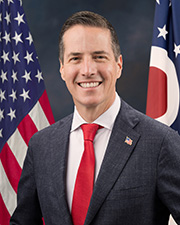
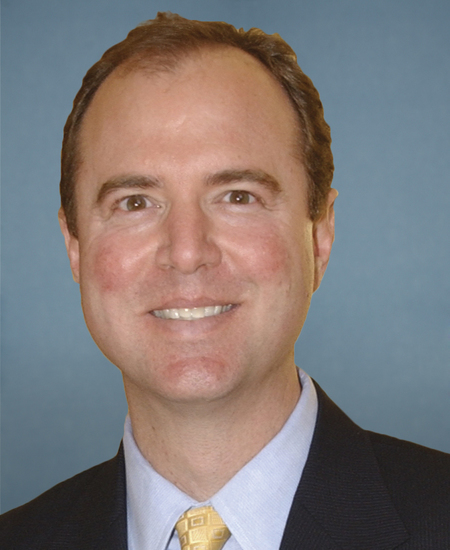
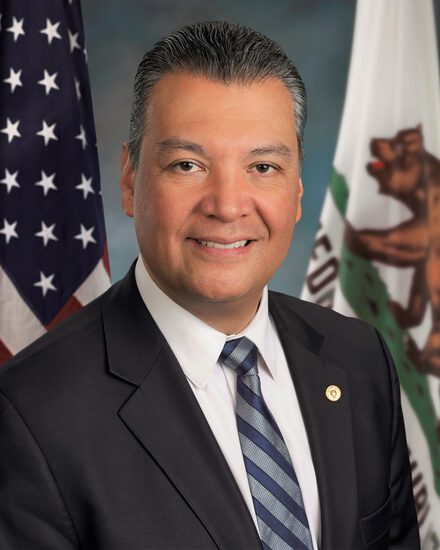
| Legislator |
Party |
Stance |
Support rate |
Votes |
|
|
R |
|
69% |
13 |
|
|
R |
|
67% |
3 |
|
|
R |
|
64% |
14 |
|
|
R |
|
64% |
14 |
|
|
R |
|
64% |
14 |
|
|
D |
|
31% |
13 |
|
|
D |
|
33% |
3 |
|
|
D |
|
36% |
14 |
|
|
D |
|
36% |
14 |
|
|
D |
|
36% |
14 |
Showing 231–234 of 234
bills
All transportation bills
The Thriving Communities Act of 2025 establishes a federal grant program to help fast-growing communities develop infrastructure projects, particularly those connecting housing with public transit. It authorizes $100 million annually for the Transportation Secretary and $5.5 million for the Housing Secretary to provide technical assistance and capacity-building support. The program requires regular reports to Congress on funding methods, coordination between agencies, and metrics used to distribute grants. This directly affects local governments in rapidly expanding areas seeking to improve transportation and housing infrastructure through federal support.
S 3272, the Motorcycle Safety Awareness Act of 2025, requires states to include new motorcyclist safety education in driver training programs. It amends federal law to mandate that driver education courses cover state-specific motorcycle laws (like lane-splitting rules) and "share-the-road" principles to improve awareness of motorcyclists. This applies directly to state driver education and motor vehicle agencies that provide driver training. The changes take effect two years after the bill becomes law.
HR 4926, the Highway Funding Transferability Improvement Act, increases the percentage of federal-aid highway funds that states can transfer between different transportation projects from 50% to 75%. This change directly affects state transportation departments managing federal highway funds, giving them greater flexibility to shift resources between projects like road repairs and new construction. The key provision amends Section 126(a) of Title 23, U.S. Code to allow states to reallocate a larger portion of their allocated funds without federal approval. This is a procedural adjustment to existing funding rules, not a new policy.
HR 3932 (Rural Upgrades for Road Access and Local Growth Act of 2025) reserves 30% of surface transportation grant funds annually for mid-sized rural communities (10,000-75,000 residents), ensuring dedicated funding regardless of urban status. It also accelerates the grant approval process by reducing processing timelines from 60 days to 3 days for applications and decisions. This directly affects rural counties and towns in the specified population range, as well as the Transportation Department managing the program. The bill makes concrete changes to fund allocation and administrative speed, aiming to improve road access in underserved rural areas.