

Issue · Transportation
Transportation (Roads & Highways)
Every transportation bill, vote, and legislator stance in United States, automatically classified by Maddy, our AI policy reader.
Total bills
234
119th Congress
Top supporter
Rand Paul
69% support rate
Top opponent
Mark R. Warner
31% support rate
Ranked legislators
10
5 support · 5 oppose
Key legislators
Who's moving roads & highways in United States
| Legislator | Party | Stance | Support rate | Votes |
|---|---|---|---|---|
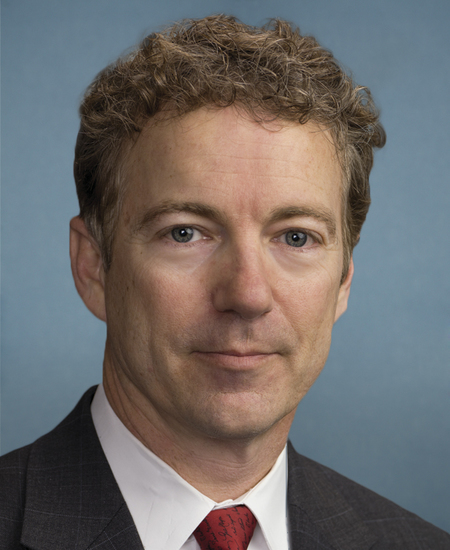
Rand Paul
Senate
|
R |
Support
|
69% | 13 |
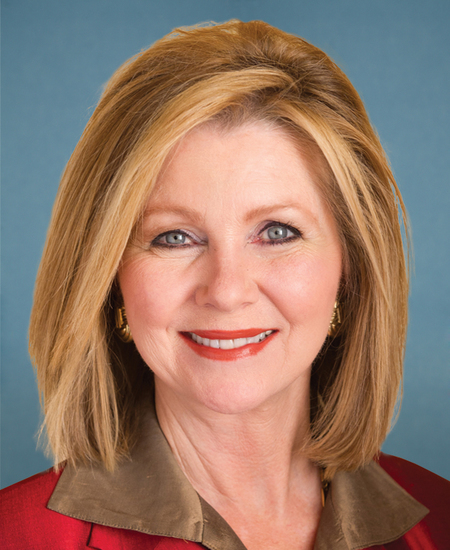
Marsha Blackburn
Senate
|
R |
Support
|
67% | 3 |
Ashley Moody
Senate
|
R |
Support
|
64% | 14 |
Bernie Moreno
Senate
|
R |
Support
|
64% | 14 |
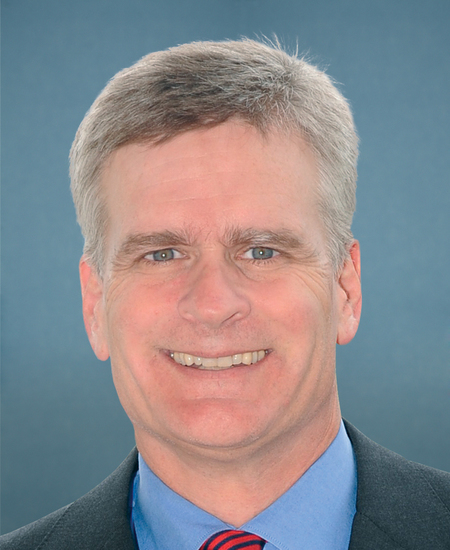
Bill Cassidy
Senate
|
R |
Support
|
64% | 14 |
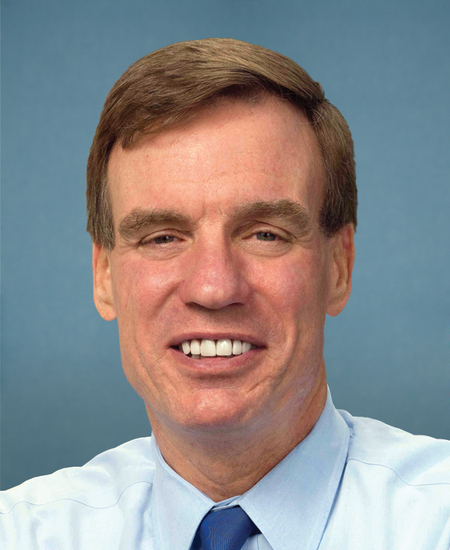
Mark R. Warner
Senate
|
D |
Oppose
|
31% | 13 |
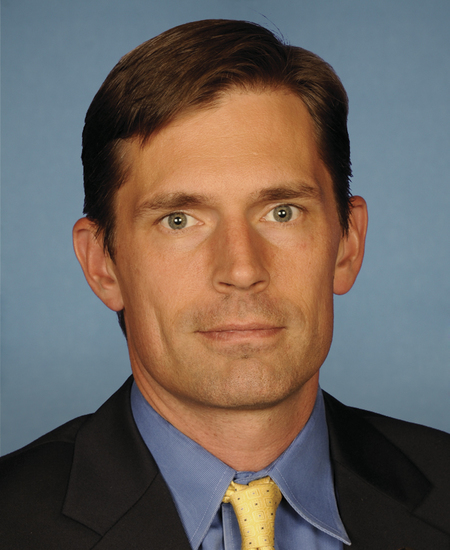
Martin Heinrich
Senate
|
D |
Oppose
|
33% | 3 |

Adam B. Schiff
Senate
|
D |
Oppose
|
36% | 14 |
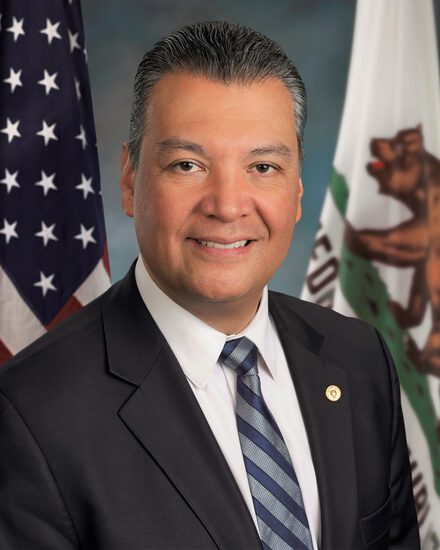
Alex Padilla
Senate
|
D |
Oppose
|
36% | 14 |

Amy Klobuchar
Senate
|
D |
Oppose
|
36% | 14 |
Showing 221–230 of 234
bills
All transportation bills
S 2910: Work Zone Safety Enhancement Act
Topics
✓ Labor & EmploymentSupports Labor & EmploymentBill funds worker training programs and safety technologies (like alert systems) in work zones, directly improving workplace safety standards for laborers.
✓ TransportationSupports TransportationFunds work zone safety improvements including tech, patrols, and training, directly enhancing highway safety infrastructure per bill's explicit funding mechanism.
S 2635: Transportation Emergency Relief Extension Act
HR 3505: Barriers to Suicide Act of 2025
Topics
✓ HealthcareSupports HealthcareBill funds suicide prevention barriers on high-risk structures, directly supporting mental health safety and public health initiatives.
✓ TransportationSupports TransportationBill funds DOT-administered grants for safety barriers on transportation infrastructure (bridges, highway-rail crossings), directly advancing transportation safety through federal funding.
S 1828: Safe Routes Improvement Act
HJRES 60: Providing for congressional disapproval under chapter 8 of title 5, United States Code, of the rule submitted by the National Park Service relating to "Glen Canyon National Recreation Area: Motor Vehicles".
Topics
✗ EnvironmentOpposes EnvironmentBill nullifies NPS rule limiting off-road vehicles, weakening environmental protections in Glen Canyon National Recreation Area
✓ TransportationSupports TransportationBill overturns rule limiting off-road vehicle access in Glen Canyon recreation area, supporting broader vehicle use under transportation regulations.
S 3673: Roadside Pollinator Program Amendments Act
Topics
✓ Budget & TaxesSupports Budget & TaxesIncreases state funding cap from $2M to $5M annually for pollinator program, directly advancing budget allocation for environmental initiatives.
✓ EnvironmentSupports EnvironmentExpands pollinator program funding, requires wildlife consultations, and increases conservation protections for ecosystems and species.
✓ TransportationSupports TransportationIncreases annual funding for roadside pollinator programs managed by state highway departments, directly supporting transportation infrastructure maintenance and environmental compliance.
HR 409: Supporting Transit Commutes Act
Topics
✗ Budget & TaxesOpposes Budget & TaxesBill creates tax deduction for employers, reducing federal revenue, aligning with 'creates tax breaks' indicator for oppose stance.
✓ EnvironmentSupports EnvironmentEncourages public transit use via tax incentives, reducing vehicle emissions and supporting pollution control per transit benefits' environmental impact.
✓ Labor & EmploymentSupports Labor & EmploymentBill expands employer tax deductions for transit benefits, encouraging more commuting assistance for workers. This directly aligns with 'expands worker benefits' indicator under Labor & Employment.
✓ TransportationSupports TransportationAmends tax code to fully deduct employer transit benefits, incentivizing public transit use and strengthening transit infrastructure adoption through financial support.
HR 4059: SPEED Act
Topics
✗ EnvironmentOpposes EnvironmentDoubles project thresholds to bypass environmental reviews, reducing regulatory oversight on transportation projects' environmental impacts.
✓ TransportationSupports TransportationBill streamlines project approvals by doubling funding thresholds for categorical exclusions, accelerating transportation infrastructure development per MAP-21 Section 1317.
HR 2122: IMPACT Act 2.0
Topics
✓ Budget & TaxesSupports Budget & TaxesBill authorizes $15M federal funding (2025-2027) to reimburse states for low-emission material costs, directly funding a specific program through appropriations.
✓ EnergySupports EnergyFunds low-emission construction materials (cement, asphalt) for highway projects, reducing emissions and advancing clean infrastructure goals per bill summary.
✓ EnvironmentSupports EnvironmentFunds low-emission construction materials, reimburses states for extra costs, requires emissions data in specs - directly reduces project emissions and advances environmental protection.
✓ TransportationSupports TransportationFunds highway projects with low-emission materials, promoting sustainable transportation infrastructure and reducing emissions in road construction.
Sub-Topics
Energy Efficiency
Climate Change
Hazardous Materials
Bridges
Roads & Highways
Transportation Funding