Issue · Transportation

Transportation

Every transportation bill, vote, and legislator stance in United States, automatically classified by Maddy, our AI policy reader.

Total bills
847
119th Congress
Top supporter
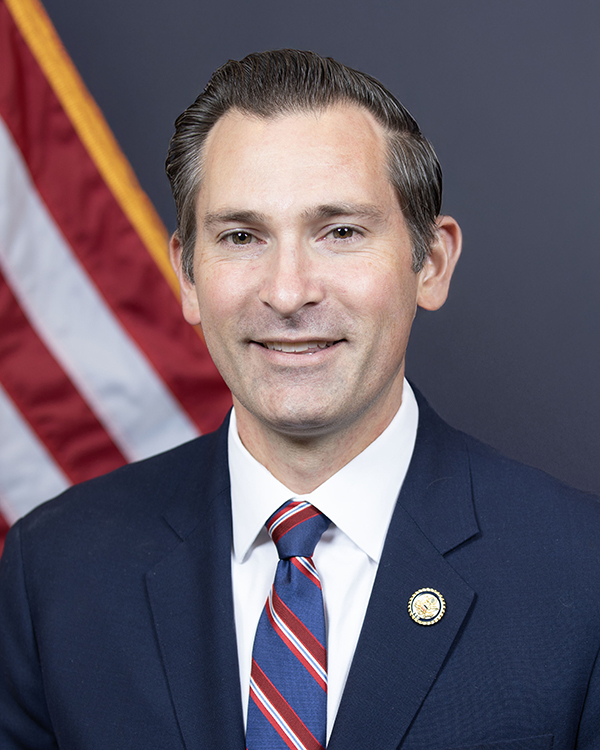
Matt Van Epps
86% support rate
Top opponent
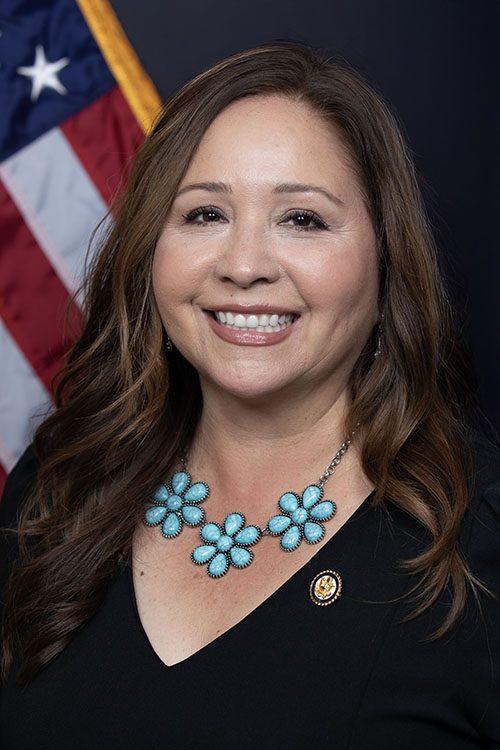
Adelita S. Grijalva
14% support rate
Ranked legislators
10
5 support · 5 oppose
Key legislators

Who's moving transportation in United States

Legislators moving transportation in United States
Legislator Party Stance Support rate Votes
Matt Van Epps
Matt Van Epps House · District 7
R
Strong +
86% 67
Martin Heinrich
Martin Heinrich Senate
D
Support
78% 133
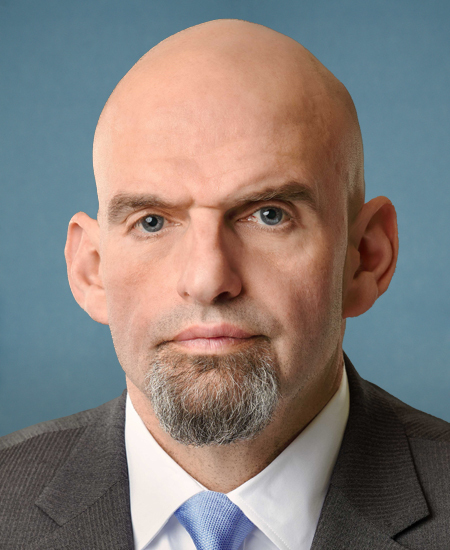
John Fetterman
John Fetterman Senate
D
Support
70% 150
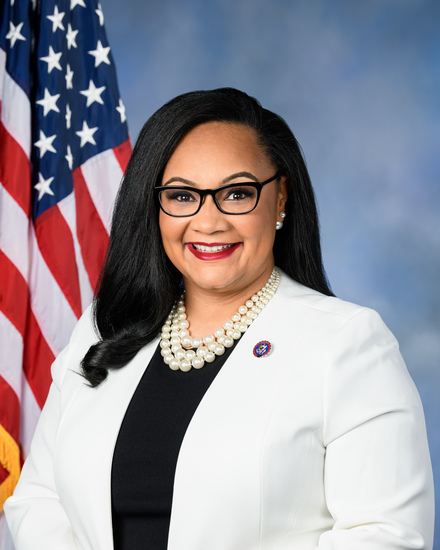
Nikema Williams
Nikema Williams House · District 5
D
Support
70% 113
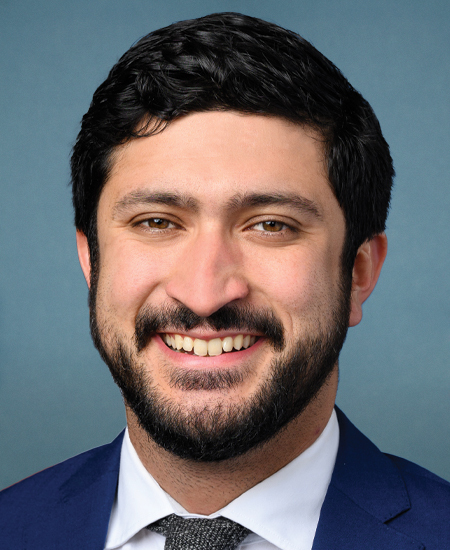
Greg Casar
Greg Casar House · District 35
D
Support
70% 105
Adelita S. Grijalva
Adelita S. Grijalva House · District 7
D
Strong −
14% 72
James R. Walkinshaw
James R. Walkinshaw House · District 11
D
Strong −
14% 80
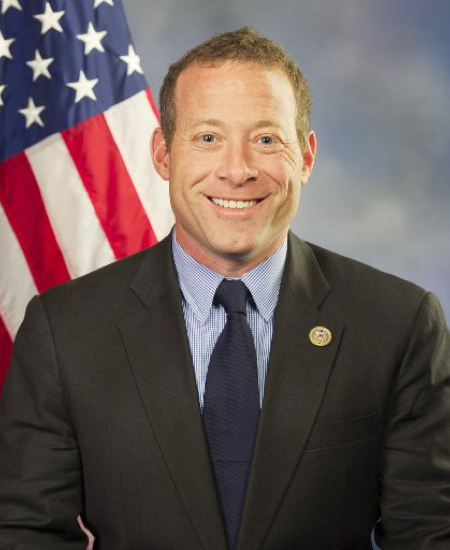
Josh Gottheimer
Josh Gottheimer House · District 5
D
Strong −
14% 109
Marsha Blackburn
Marsha Blackburn Senate
R
Oppose
22% 128
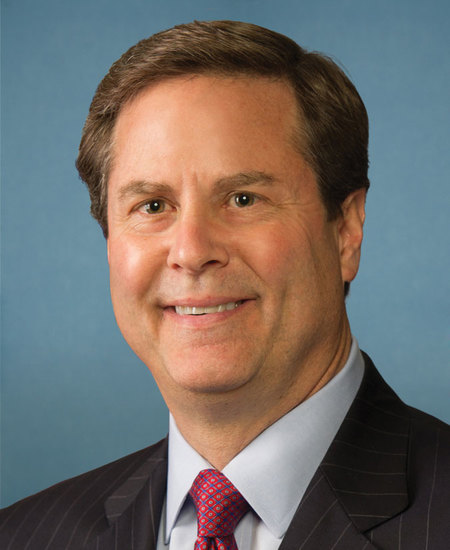
Donald Norcross
Donald Norcross House · District 1
D
Oppose
25% 107
Showing 221–230 of 847 bills

All transportation bills

in committee · United States · House Apr 9, 2026

HR 8218: Fair Compensation for Truck Crash Victims Act

This bill increases the minimum insurance coverage required for commercial trucking companies from $750,000 to $5,000,000 per incident. It also establishes a five-year automatic adjustment mechanism to update these insurance requirements based on medical cost inflation. The changes directly affect motor carriers transporting property and aim to ensure carriers maintain adequate financial responsibility to cover potential crash damages. The new requirements will take effect one year after the bill is enacted.
Sub-Topics Freight
in committee · United States · House Apr 9, 2026

HR 8217: Next Gen Road Safety Act

The Next Gen Road Safety Act amends federal funding provisions to allow law enforcement agencies to purchase specialized equipment for managing high-speed vehicle pursuits. This legislation specifically authorizes the procurement of technologies such as vehicle-disabling systems, police bumper systems, and drones to help prevent and de-escalate dangerous chase situations. The changes apply to federal crime control grants under the Omnibus Crime Control and Safe Streets Act of 1968, enabling agencies to use these funds for the specified safety equipment. The bill focuses on updating existing grant categories to include modern tools that support officer safety and public safety during vehicular pursuits.
in committee · United States · House Apr 7, 2026

HR 8200: Interstate Ferry Fairness Act

The Interstate Ferry Fairness Act allows privately owned ferries and ferry terminals operating between two adjoining states to receive federal funding for construction and purchase. Under this legislation, private ferry operators can apply for federal assistance if the Secretary of Transportation determines the project provides substantial public benefits or meets surface transportation needs. The bill also permits privately owned ferries to charge fares that cover operational costs plus a reasonable rate of return approved by the Secretary. These changes expand eligibility for the Ferry Boat Program beyond publicly owned vessels, while maintaining oversight on fare structures and fund usage.
in committee · United States · House Mar 17, 2026

HR 7967: Heidi’s Law

This bill requires federal workplace drug testing programs to include methadone in their testing panels. It directs the Secretary of Health and Human Services to update federal drug testing guidelines to add methadone within 90 days of enactment, and requires the Secretary of Transportation to update drug testing rules for transportation employees within 60 days of that update. Additionally, the bill mandates an annual review process to ensure the guidelines are updated to include any new drugs that should be tested for in federal workplaces. These changes directly affect federal employees and transportation workers who are subject to drug testing programs.
in committee · United States · House Mar 5, 2026

HR 7843: No Free Rides Act of 2026

This bill, known as the No Free Rides Act of 2026, would prohibit federal public transportation funding recipients from offering universal free fare policies that allow all riders to use transit services without paying. The law would still permit targeted fare policies that provide free or reduced-cost rides for specific groups such as seniors, low-income riders, students, or employees with employer-paid agreements. Additionally, the Secretary of Transportation could grant waivers if a transit agency can demonstrate a dedicated non-federal revenue source to support universal free fare programs. The measure directly affects public transportation agencies that receive federal assistance under Title 49 of the United States Code.
in committee · United States · Senate Mar 12, 2026

S 4084: Responder and Recovery Safety in EV Fires Act

This bill requires the Secretary of Transportation to create a working group focused on improving how emergency responders handle fires involving electric vehicles. The group would include representatives from the towing industry, emergency services, automotive manufacturers, research organizations, and federal agencies to review current risks and response methods. Its main task is to develop and update guidance and best practices for safely managing electric vehicle fires, while also tracking incidents in a national database. The working group must submit annual reports to Congress and the public, and it would operate for ten years before ending.
Sub-Topics Electric Vehicles Tags Public Safety
in committee · United States · House Mar 5, 2026

HR 7821: Promoting Reduction of Emissions through Landscaping Equipment Act

This bill creates a business tax credit for companies that purchase zero-emission electric lawn, garden, and landscaping equipment. The credit equals 40 percent of the equipment's cost, with annual limits of $25,000 and a ten-year aggregate cap of $100,000 per business. Eligible equipment includes electric-powered mowers, trimmers, and other landscaping tools powered by solar, batteries, fuel cells, or grid electricity, as well as batteries and generators used to power them. The credit applies to equipment placed in service after December 31, 2024, and expires five years after the bill is enacted.
in committee · United States · Senate Feb 24, 2026

S 3903: Railway Safety Act of 2026

This bill, titled the Railway Safety Act of 2026, establishes new safety requirements for trains carrying hazardous materials and strengthens emergency response capabilities. It directly affects Class I railroads, emergency response agencies, and communities near rail lines by mandating stricter tank car standards, limiting train speeds in urban areas, and requiring railroads to provide real-time information about hazardous materials shipments to first responders. Key provisions include phasing out older tank cars for flammable liquids by 2027, requiring two-person crews on freight trains, increasing penalties for safety violations, and creating a new emergency response assistance fund to help communities respond to hazardous materials incidents.
in committee · United States · House Feb 25, 2026

HR 7662: Railroad Safety Enhancement Act of 2026

HR 7662, the Railroad Safety Enhancement Act of 2026, strengthens safety measures for trains carrying hazardous materials and improves rail infrastructure oversight. The bill requires railroads to generate real-time electronic data about hazardous materials on trains and share this information with emergency response agencies. It mandates stricter tank car safety standards, requiring newer or upgraded cars by December 2027 for transporting flammable liquids. The legislation also increases penalties for safety violations, establishes new grant programs for emergency response training and equipment, and requires more frequent inspections of rail equipment. Additionally, the bill creates a confidential system for reporting near-miss incidents and funds research into better defect detection technology.
Sub-Topics Rail
in committee · United States · House Mar 17, 2026

HR 7941: Pay TSA Act of 2026

This bill establishes a dedicated Transportation Security Trust Fund to ensure money collected from airline passenger security fees is used exclusively for aviation security purposes. The fund would support the Transportation Security Administration by paying salaries and benefits for its personnel, funding passenger and baggage screening operations, and purchasing security technology and infrastructure. Additionally, the legislation guarantees that aviation security operations can continue without interruption during government funding lapses, prioritizing frontline staff compensation and operational expenses before using remaining funds for technology upgrades.
Showing 221 to 230 of 847 bills
Previous 1 22 23 24 85 Next