Issue · Transportation

Transportation

Every transportation bill, vote, and legislator stance in United States, automatically classified by Maddy, our AI policy reader.

Total bills
736
119th Congress
Top supporter
Martin Heinrich
78% support rate
Top opponent
Marsha Blackburn
22% support rate
Ranked legislators
10
5 support · 5 oppose
Key legislators

Who's moving transportation in United States

Legislators moving transportation in United States
Legislator Party Stance Support rate Decisive votes
Martin Heinrich
Martin Heinrich Senate
D
Support
78% 9
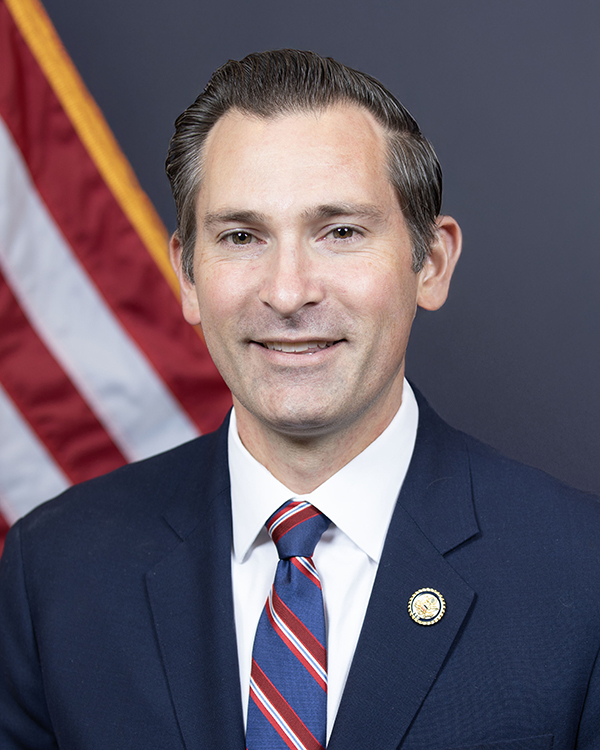
Matt Van Epps
Matt Van Epps House · District 7
R
Support
78% 9
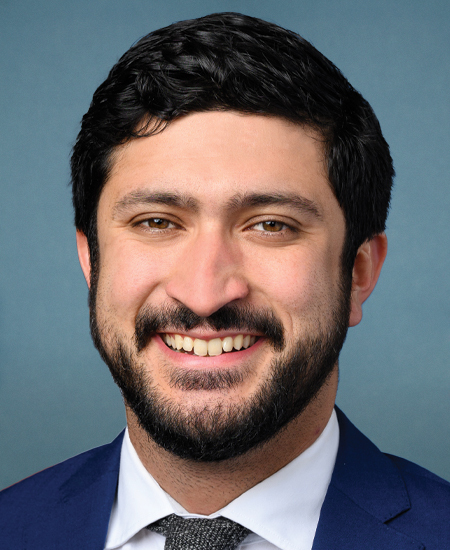
Greg Casar
Greg Casar House · District 35
D
Support
75% 12
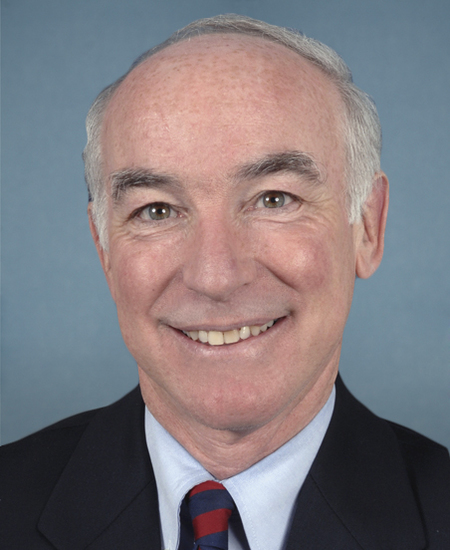
Joe Courtney
Joe Courtney House · District 2
D
Support
75% 12
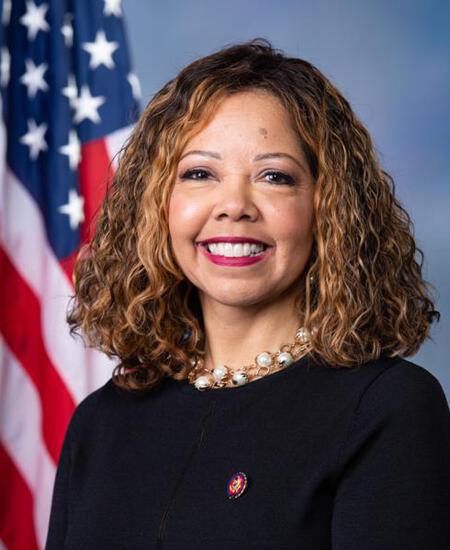
Lucy McBath
Lucy McBath House · District 6
D
Support
75% 12
Marsha Blackburn
Marsha Blackburn Senate
R
Oppose
22% 9
Ted Budd
Ted Budd Senate
R
Oppose
25% 12
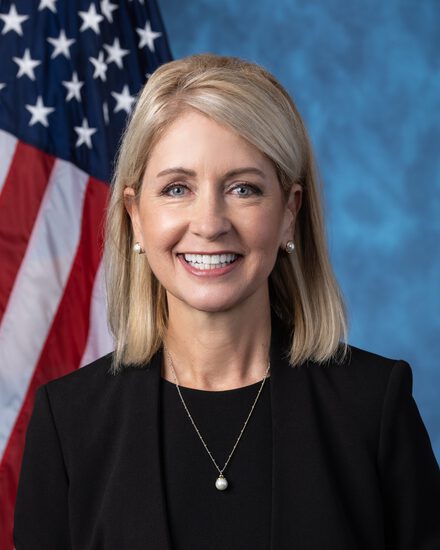
Mary E. Miller
Mary E. Miller House · District 15
R
Oppose
29% 14
Wesley Hunt
Wesley Hunt House · District 38
R
Oppose
30% 10
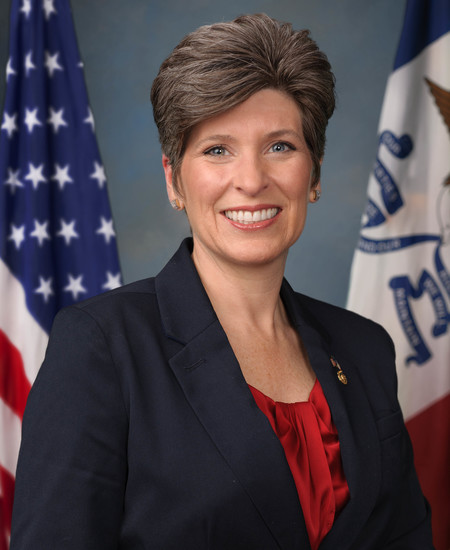
Joni Ernst
Joni Ernst Senate
R
Oppose
31% 26
Showing 171–180 of 736 bills

All transportation bills

in committee · United States · House Apr 15, 2026

HR 8315: Modal Parity in Permitting Act

The Modal Parity in Permitting Act aims to streamline the acquisition of land for federally funded transit and passenger rail projects, directly affecting transit agencies and rail entities. It updates existing law by broadening the term "right-of-way" to "real property interests" for what federal transit funds can acquire. For passenger rail projects, the bill specifically allows recipients of federal aid to acquire or secure real property interests before or during environmental reviews. However, it explicitly prohibits any physical development or improvement on these properties until all required environmental reviews for the project are completed. The Federal Transit Administration is also directed to update its guidelines to reflect these changes.
Sub-Topics Public Transit Rail
in committee · United States · House Mar 27, 2026

HR 8128: Same-Day Paratransit Innovation Act

The "Same-Day Paratransit Innovation Act" aims to expand and modernize paratransit services for individuals with disabilities. It directly affects public transit agencies by increasing the federal share of funding available for both capital projects and operating costs related to providing same-day paratransit services. Specifically, federal grants for capital costs would increase to 90%, and operating assistance could go up to 70% or 80%, depending on compliance with new standards and staffing models. The bill also mandates the Federal Transit Administration to establish minimum standards for paratransit software and technology within one year, covering areas like accessibility, cybersecurity, and the integration of multiple transportation providers. After these standards are published, transit agencies using federal funds will be required to procure software that meets these new requirements, ensuring improved service and technological capabilities for riders.
Sub-Topics Autonomous Vehicles Public Transit Tags People with Disabilities
in committee · United States · House Apr 16, 2026

HR 8362: Transit Workforce Development Act

The Transit Workforce Development Act expands how federal grants for buses and bus facilities can be used for workforce training. It increases the portion of these grants that transit agencies can dedicate to workforce development from 5% to 10% of the allocated funds. Additionally, the bill broadens the types of training eligible for these funds, allowing them to cover all buses, related equipment, and facility construction,
in committee · United States · House Apr 6, 2026

HR 8204: Western Refined Fuel Reserve Act of 2026

This bill establishes a new Refined Fuel Storage Reserve in eight Western States to store gasoline, diesel, and jet fuel as part of the national Strategic Petroleum Reserve. The Energy Department must identify and select one storage location within six months of enactment, prioritizing areas dependent on imported fuel or likely to face shortages, and must fill the reserve to at least 75 percent capacity over five years using existing federal funding. The reserve can be used during emergencies or supply disruptions, and the Energy Secretary may partner with state and local governments to store non-federal fuel in the facility. The bill also requires annual reports to Congress on the reserve's establishment, operations, and future recommendations.
Sub-Topics Oil & Gas
in committee · United States · House Mar 26, 2026

HR 7979: Public Lands Access Restoration Act

This bill requires federal land agencies to assume that designated motorized roads and trails remain open unless restrictions are clearly justified by resource protection or public safety concerns. It mandates that any access restrictions be properly signed, mapped, publicly announced, and reviewed at least every five years to ensure they remain necessary. The legislation also allows the public to propose new motorized routes or convert existing closed roads, with agencies prioritizing requests that improve connectivity, protect resources, support wildfire management, or enhance recreational access. These rules apply to National Forest System and Bureau of Land Management roads and trails, excluding wilderness areas and national parks.
in committee · United States · Senate Mar 26, 2026

S 4245: Safer Roads for Those Who Serve Act of 2026

This bill, the Safer Roads for Those Who Serve Act of 2026, aims to improve safety for highway workers such as construction crews, utility personnel, and emergency responders by updating federal regulations and funding programs. It requires the Federal Highway Administration to better track and separate crash data for highway workers from other road users, and mandates that states with rising injury or fatality rates include specific strategies in their safety plans. The legislation also directs the National Highway Traffic Safety Administration to update public awareness materials and run public service announcements about Move Over laws, covering various types of workers and vehicles. Additionally, the bill requires that federal transportation grant applications include plans for protecting highway workers during and after construction, and authorizes funding for research and outreach to enhance roadside worker safety.
in committee · United States · House Mar 13, 2026

HR 7928: Thermal Runaway Reduction Act of 2026

The Thermal Runaway Reduction Act of 2026 aims to improve the safety of lithium-ion battery transportation by requiring the Department of Transportation to update regulations on how these batteries are shipped and handled. The bill mandates that batteries be transported at no more than 30 percent charge unless special approval is granted, and requires the development of new impact tests to prevent batteries from overheating during accidents. It also establishes a $10 million grant program to fund research on fire suppression technologies and provides additional funding for fire departments to purchase safety equipment and diagnostic tools for managing lithium-ion battery incidents.
in committee · United States · House Mar 25, 2026

HR 8072: Safety in Shared Skies Act of 2026

The Safety in Shared Skies Act of 2026 requires the Department of Defense to test and certify automatic surveillance systems on its aircraft that fly in U.S. airspace at least once every 90 days. Under this law, the Defense Secretary must report testing results and any system failures to Congress every six months for the first two years of the bill's operation. Additionally, the Defense Department Inspector General will conduct audits to verify compliance with these testing requirements and submit a report on whether these oversight measures should continue beyond the initial period. This legislation directly affects the Department of Defense and its aircraft operations by establishing regular safety checks and transparency requirements.
in committee · United States · House Feb 9, 2026

HR 7437: BASICS Act

This bill, known as the BASICS Act, creates a new $5.5 billion federal funding program over five years to repair and replace bridges in poor condition across the United States. The program prioritizes projects based on the cost of bridge rehabilitation in each state and guarantees a minimum funding allocation of $45 million per state annually. It also expands funding for regional transportation planning in rural areas and increases flexibility for local governments to select and manage transportation projects through enhanced consultation requirements. Additionally, the legislation removes local matching fund requirements for metropolitan planning activities and allows 100 percent federal funding for off-system bridge projects owned by local governments or tribes.
in committee · United States · Senate Mar 24, 2026

S 4178: National Transit Frontline Workforce Training Act

This bill creates a Transit Workforce Center to help improve training and support for frontline public transportation workers across the United States. The Federal Transit Administration would establish this center by awarding grants to a qualified nonprofit organization that operates nationally and has experience in workforce development. The center would develop training programs, provide technical assistance, share educational resources, and analyze workforce data to help transit agencies recruit, hire, train, and retain skilled workers. It would also focus on emerging technology areas and work in partnership with labor groups, industry associations, and transit providers to address workforce needs in urban, suburban, rural, and Tribal areas.
Showing 171 to 180 of 736 bills
Previous 1 17 18 19 74 Next