Issue · Technology

Technology

Every technology bill, vote, and legislator stance in United States, automatically classified by Maddy, our AI policy reader.

Total bills
1,461
119th Congress
Top supporter
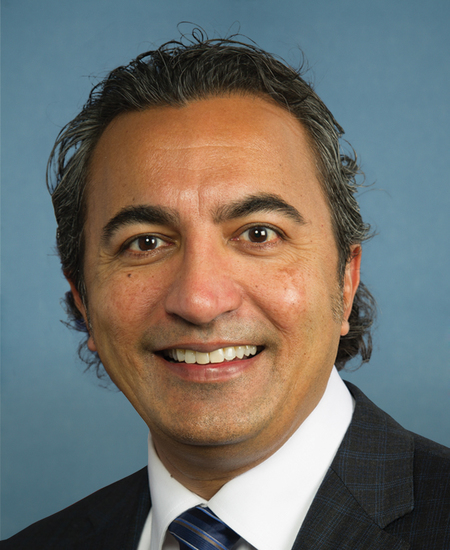
Ami Bera
86% support rate
Top opponent
Scott Perry
14% support rate
Ranked legislators
10
5 support · 5 oppose
Key legislators

Who's moving technology in United States

Legislators moving technology in United States
Legislator Party Stance Support rate Decisive votes
Ami Bera
Ami Bera House · District 6
D
Strong +
86% 22
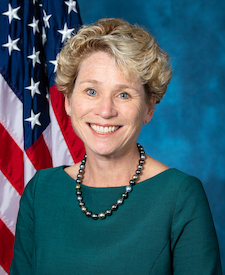
Chrissy Houlahan
Chrissy Houlahan House · District 6
D
Strong +
86% 22
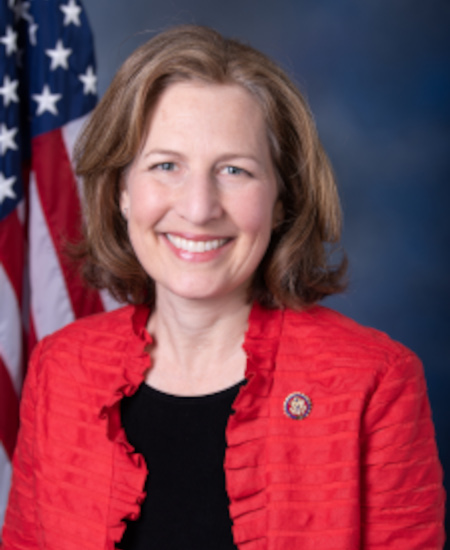
Kim Schrier
Kim Schrier House · District 8
D
Strong +
86% 22
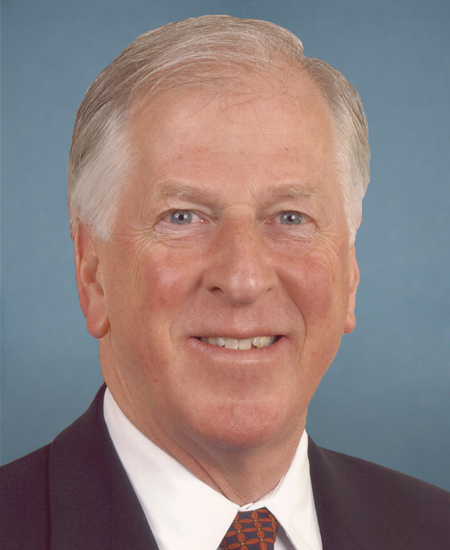
Mike Thompson
Mike Thompson House · District 4
D
Strong +
86% 22
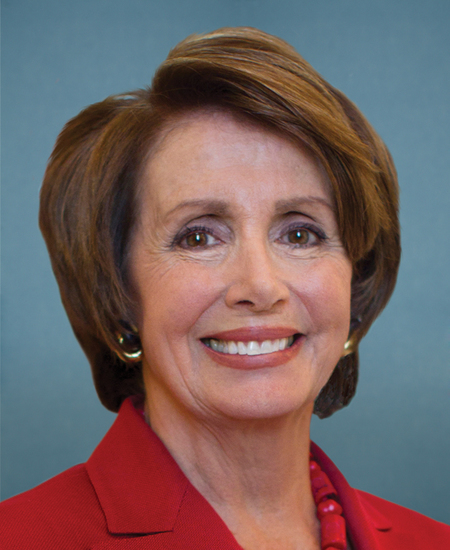
Nancy Pelosi
Nancy Pelosi House · District 11
D
Strong +
86% 22
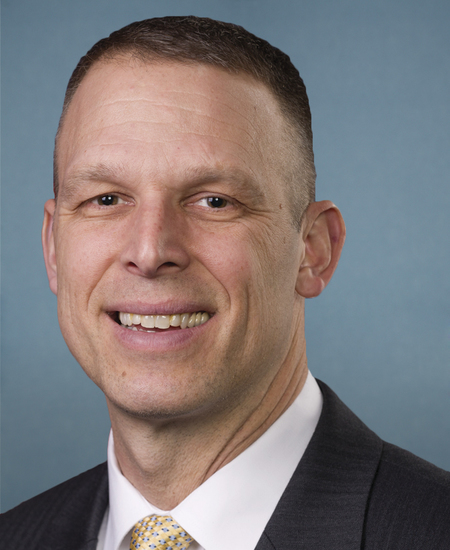
Scott Perry
Scott Perry House · District 10
R
Strong −
14% 21
AA
Alan Armstrong Senate
R
Strong −
17% 29
Rand Paul
Rand Paul Senate
R
Strong −
17% 46
Josh Hawley
Josh Hawley Senate
R
Strong −
18% 45
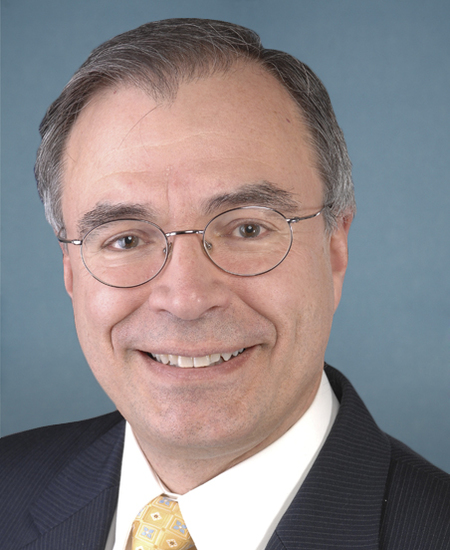
Andy Harris
Andy Harris House · District 1
R
Strong −
18% 22
Showing 941–950 of 1,461 bills

All technology bills

in committee · United States · Senate Jun 10, 2025

S 2019: TRAPS Act

The TRAPS Act establishes a federal Task Force on Payment Scams, chaired by the Treasury Secretary, to coordinate efforts across agencies and industry to combat electronic payment scams. The Task Force includes representatives from the FTC, FCC, DOJ, financial regulators, consumer groups, and industry experts to evaluate scam trends, develop prevention strategies, and improve consumer education. It must submit an initial report to Congress within one year and provide annual updates, with the Task Force terminating three years after the first report. This bill directly affects how federal agencies and industry collaborate to address scams targeting consumers through digital payment platforms.
passed · United States · House Jul 22, 2025

HR 2384: Financial Technology Protection Act of 2025

The Financial Technology Protection Act of 2025 creates a new government working group to study how terrorists and criminals use digital assets (like cryptocurrencies) and emerging technologies for illicit activities. The group, composed of federal agencies (Treasury, FBI, Justice, Homeland Security, etc.) and private sector representatives from fintech, blockchain, and privacy organizations, will research threats and develop proposals to strengthen anti-money laundering and counter-terrorism efforts. It must submit annual reports to Congress for four years, detailing findings and recommendations, and will terminate after that period. The bill also requires the President to submit a public report within 180 days on how foreign actors might exploit digital assets to evade sanctions, along with a strategy to prevent such misuse.
Sub-Topics Emerging Technology
in committee · United States · House Feb 27, 2025

HR 1752: Technology for Energy Security Act

The Technology for Energy Security Act (HR 1752) extends a federal tax credit for investments in fuel cell technology. It changes the deadline for claiming this credit from January 1, 2025, to January 1, 2033, for projects starting construction after December 31, 2024. This directly affects businesses and individuals installing fuel cell systems by allowing them to claim the tax incentive for an additional eight years. The bill does not alter the credit amount but expands the timeframe for eligible projects.
passed · United States · Senate Dec 17, 2025

S 861: Disaster Assistance Simplification Act

This bill creates a single online application system for all federal disaster assistance programs, replacing multiple separate applications. It requires FEMA to establish a unified platform by 360 days after enactment, allowing survivors to apply once for aid like housing, small business loans, or food benefits, track their application status, and receive updates. The system mandates data security standards and allows FEMA to waive certain paperwork rules during disasters while requiring transparency through public notices. This directly affects disaster survivors seeking aid and federal/state agencies administering disaster assistance programs.
Sub-Topics Consumer Data Protection Tags Emergency Management
passed · United States · Senate Sep 11, 2025

S 725: Enhancing First Response Act

The Enhancing First Response Act requires the Federal Communications Commission (FCC) to issue detailed reports after major disasters that activate the Disaster Information Reporting System for at least 7 days. These reports must track outages in broadband, mobile, and emergency communication services (including 911 systems), estimate affected users, and include public hearings with local officials, providers, and first responders within 8 months. The FCC must publish a final report within 12 months, containing outage data and recommendations to improve network resilience. This bill directly affects communication providers, public safety agencies, and disaster response systems by standardizing outage reporting and accountability.
Sub-Topics Broadband Access Tags Emergency Management Public Safety
in committee · United States · House Feb 12, 2026

HR 7548: SCAM Act

The SCAM Act requires online platforms that display paid advertisements (like social media sites) to verify advertiser identities, implement scam detection systems, and remove fraudulent ads within 24 hours of confirmation. It directly affects platforms that accept payment for ads, targeting scams such as fake giveaways, romance scams, and AI impersonations that cost consumers $195 billion in 2024 (per FTC data). Key mechanisms include mandatory identity checks for advertisers, active monitoring systems, and a 72-hour investigation window for reported scams. The law aims to reduce fraud by shifting responsibility to platforms, with enforcement by the FTC and state attorneys general.
Sub-Topics Artificial Intelligence Consumer Data Protection Social Media Tags Consumer Protection
in committee · United States · House Feb 4, 2026

HR 5000: Cybersecurity Hiring Modernization Act

This bill changes how federal agencies hire cybersecurity staff by restricting educational requirements for certain positions. It prohibits agencies from setting minimum education levels unless required by state or local law where the work occurs, and limits education consideration to directly relevant competencies. The bill applies to specific federal cybersecurity roles (like GS-2210 IT positions and NICE-designated roles) and requires the Office of Personnel Management to publish annual data on education levels for these hires. These changes aim to modernize hiring practices while ensuring education requirements align with actual job needs.
Sub-Topics Cybersecurity
in committee · United States · House Jun 23, 2025

HR 4081: Foreign Adversary Federal Offense Act of 2025

HR 4081, the Foreign Adversary Federal Offense Act of 2025, increases penalties for economic espionage and defense information offenses committed to benefit nations designated as adversaries by the U.S. government. It adds mandatory minimum 10-year prison terms (up to 20 years for severe harm) and fines up to $5 million for individuals, while imposing organizational fines of up to $20 million or 5 times the value of stolen trade secrets. The law specifically targets offenses involving critical infrastructure data - such as security vulnerabilities of systems covered under the USA PATRIOT Act - that could cause significant harm if exploited. This directly affects individuals and organizations convicted of sharing U.S. economic or defense secrets with foreign adversaries.
Sub-Topics Corrections Sentencing
in committee · United States · Senate Jul 31, 2025

S 2618: MORE USDA Grants Act

This bill reduces local matching requirements by 50% for counties where over half the land is federally owned and the population is under 100,000 (called "High-Density Public Land Counties"). It applies to USDA rural development grants like those for business growth, community facilities, broadband, and telemedicine. The bill also gives priority to these counties for grant approval and provides extra technical assistance to help them apply. Tribal governments within these counties also receive targeted support for barriers like complex applications or financial requirements.
Sub-Topics Property Development Zoning Broadband Access Tags Rural Communities Tribal Nations
in committee · United States · Senate May 22, 2025

S 1875: Streamlining Federal Cybersecurity Regulations Act of 2025

Streamlining Federal Cybersecurity Regulations Act of 2025 This bill establishes an interagency committee to review and align cybersecurity regulations and requirements imposed by executive agencies. The committee, to be led and administered by the Office of the National Cyber Director, must include the heads of each executive agency with statutory authority to enforce mandatory cybersecurity requirements. Agencies must generally consult with the committee before promulgating or amending cybersecurity requirements. The committee must develop a regulatory framework for the harmonization of agencies’ cybersecurity requirements. Under the bill, harmonization means the alignment of cybersecurity requirements to consist of a common set of minimum requirements that are applicable across sectors and sector-specific requirements as necessary. Specifically, the framework must contain processes for (1) establishing a reciprocal compliance mechanism for minimum requirements applicable to entities regulated by more than one agency; and (2) identifying and developing recommendations to address cybersecurity requirements that are overly burdensome, inconsistent, or contradictory. In developing this framework, the committee must seek public comment and consult with industry experts and stakeholders. Once the framework is developed and published, the committee must select agencies to carry out a pilot program to apply the framework to a sampling of their cybersecurity requirements. In consultation with the committee, the Office of Management and Budget must issue guidance to federal agencies on coordinating with the committee and, after the pilot program is complete, on ensuring cybersecurity requirements are consistent with the framework and lessons learned from the pilot program.
Sub-Topics Cybersecurity
Showing 941 to 950 of 1,461 bills
Previous 1 … 94 95 96 … 147 Next