

Issue · Technology
Technology
Every technology bill, vote, and legislator stance in United States, automatically classified by Maddy, our AI policy reader.
Total bills
1,461
119th Congress
Top supporter
Ami Bera
86% support rate
Top opponent
Scott Perry
14% support rate
Ranked legislators
10
5 support · 5 oppose
Key legislators
Who's moving technology in United States
| Legislator | Party | Stance | Support rate | Decisive votes |
|---|---|---|---|---|

Ami Bera
House · District 6
|
D |
Strong +
|
86% | 22 |
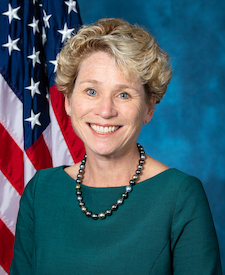
Chrissy Houlahan
House · District 6
|
D |
Strong +
|
86% | 22 |

Kim Schrier
House · District 8
|
D |
Strong +
|
86% | 22 |

Mike Thompson
House · District 4
|
D |
Strong +
|
86% | 22 |
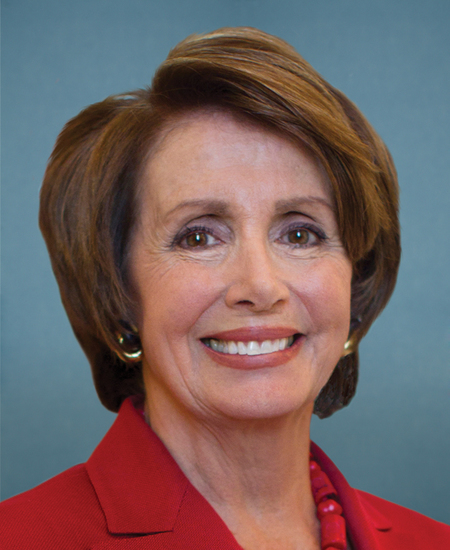
Nancy Pelosi
House · District 11
|
D |
Strong +
|
86% | 22 |
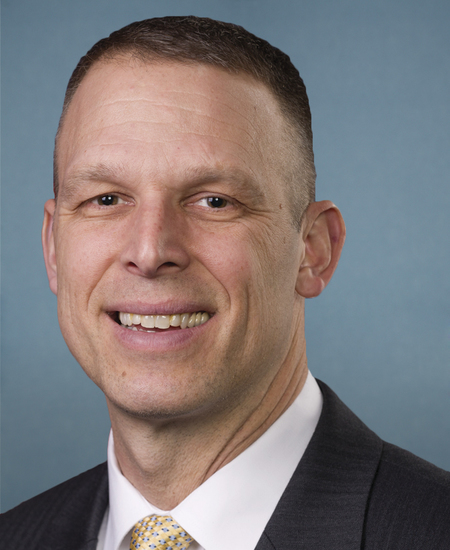
Scott Perry
House · District 10
|
R |
Strong −
|
14% | 21 |
|
AA
Alan Armstrong
Senate
|
R |
Strong −
|
17% | 29 |

Rand Paul
Senate
|
R |
Strong −
|
17% | 46 |

Josh Hawley
Senate
|
R |
Strong −
|
18% | 45 |

Andy Harris
House · District 1
|
R |
Strong −
|
18% | 22 |
Showing 601–610 of 1,461
bills
All technology bills
HR 6207: Chip EQUIP Act
Topics
✗ Budget & TaxesOpposes Budget & TaxesThe bill restricts federal funding for semiconductor manufacturing equipment from certain foreign entities, which can limit financial assistance and potentially increase costs for projects, thereby opposing fiscal flexibility.
✓ TechnologySupports TechnologyBill restricts funding for foreign semiconductor equipment to protect national security and enhance domestic technology supply chains, strengthening cybersecurity and technological sovereignty.
Sub-Topics
Procurement
S 3415: Small Business Innovation Voucher Act of 2025
Tags
Small Business
S 248: Sustainable Cardiopulmonary Rehabilitation Services in the Home Act
Topics
✓ HealthcareSupports HealthcareMakes Medicare coverage permanent for home-based telehealth cardiopulmonary rehab, expanding access and removing geographic restrictions for beneficiaries.
✓ TechnologySupports TechnologyBill expands telehealth access for home-based cardiopulmonary rehabilitation, strengthening technology-enabled healthcare delivery and digital health services.
HR 4999: Fusion Workforce Act
Topics
✓ EducationSupports EducationFunds fusion-focused curricula development and teacher training at higher ed institutions, directly advancing educational programs in STEM workforce development.
✓ EnergySupports EnergyBill allocates $30M annually for fusion workforce development, directly advancing clean energy infrastructure and workforce training in fusion technology.
✓ EnvironmentSupports EnvironmentBill funds fusion energy workforce development, promoting clean energy technology that reduces emissions and supports environmental protection.
✓ TechnologySupports TechnologyBill provides dedicated funding for fusion workforce development, directly supporting technology advancement in energy sector through education and training programs.
S 3032: Counter-UAS Authority Extension Act
Sub-Topics
Emerging Technology
HR 4600: RESPECT Act
Topics
✗ Criminal JusticeOpposes Criminal JusticeIncreases maximum prison sentences for nonconsensual image sharing, expanding criminalization per 'oppose' indicators.
✓ TechnologySupports TechnologyBill strengthens data privacy by increasing penalties for nonconsensual intimate image sharing, protecting individuals' digital rights and personal information.
S 697: Air Traffic Control Workforce Development Act of 2025
Topics
✓ Budget & TaxesSupports Budget & TaxesBill creates $20M annual grant program (2026-2031) for air traffic controller training, directly funding workforce development through government spending.
✓ Labor & EmploymentSupports Labor & EmploymentBill funds $20M annual grants for CTI training programs to strengthen air traffic controller workforce development and modernize curricula, advancing employment standards.
✓ TechnologySupports TechnologyBill funds modernization of air traffic control training curriculum and exam systems, indirectly supporting technology integration in aviation workforce development.
✓ TransportationSupports TransportationFunds $20M annual grants for air traffic controller training, directly strengthening aviation workforce critical to transportation infrastructure
S 3834: Expanded Telehealth Access Act
Topics
✓ HealthcareSupports HealthcareExpands Medicare telehealth coverage to include audiologists, therapists, and speech-language pathologists, improving patient access to care and strengthening provider eligibility under Medicare.
✓ TechnologySupports TechnologyBill expands telehealth access by including more healthcare professionals, promoting digital health equity and technology adoption in healthcare delivery.
S 3138: Veterans SPORT Act
Topics
✓ HealthcareSupports HealthcareExpands VA medical coverage to include adaptive sports prostheses, directly improving access to healthcare services for veterans without additional authorization.
✓ TechnologySupports TechnologyBill expands VA coverage to include adaptive prosthetic devices for sports, enhancing accessibility and technological support for veterans.
✓ VeteransSupports VeteransExpands VA coverage to include adaptive sports prosthetics without separate authorization, directly improving veterans' healthcare access for recreational therapy.