Issue · Technology

Technology

Every technology bill, vote, and legislator stance in United States, automatically classified by Maddy, our AI policy reader.

Total bills
210
119th Congress
Top supporter
Suzan K. DelBene
86% support rate
Top opponent
Scott Perry
14% support rate
Ranked legislators
10
5 support · 5 oppose
Key legislators

Who's moving technology in United States

Legislators moving technology in United States
Legislator Party Stance Support rate Votes
Suzan K. DelBene
Suzan K. DelBene House · District 1
D
Strong +
86% 259
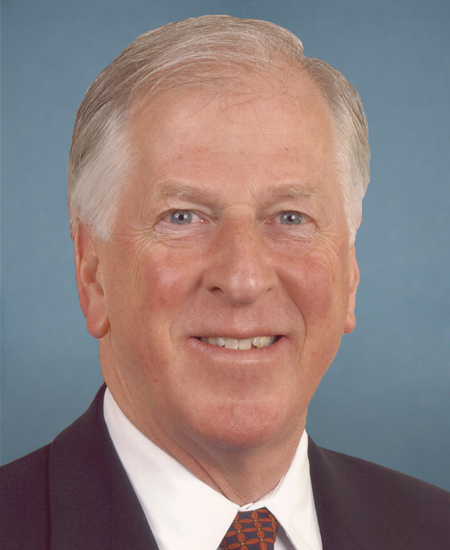
Mike Thompson
Mike Thompson House · District 4
D
Strong +
86% 261
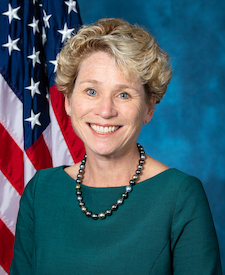
Chrissy Houlahan
Chrissy Houlahan House · District 6
D
Strong +
86% 259
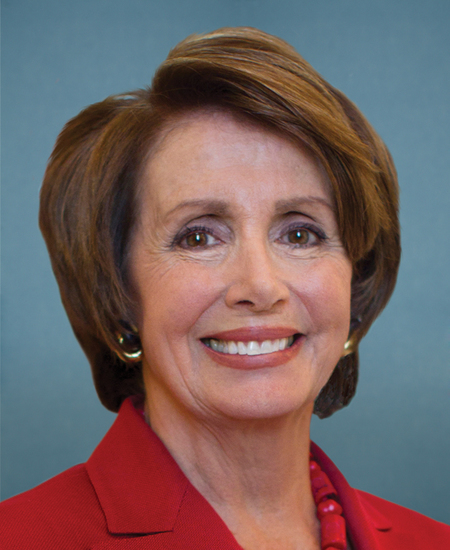
Nancy Pelosi
Nancy Pelosi House · District 11
D
Strong +
86% 246
Kim Schrier
Kim Schrier House · District 8
D
Strong +
86% 261
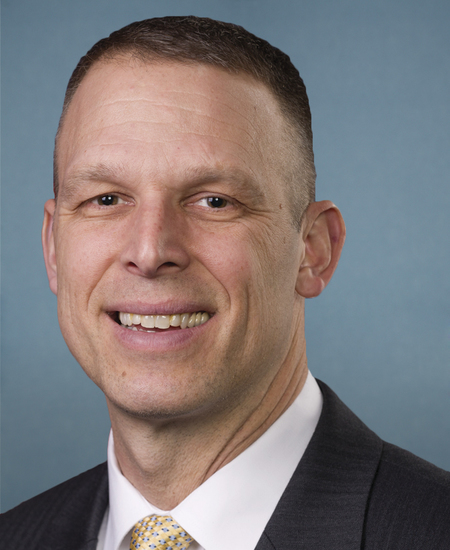
Scott Perry
Scott Perry House · District 10
R
Strong −
14% 252
AA
Alan Armstrong Senate
R
Strong −
14% 46
Rand Paul
Rand Paul Senate
R
Strong −
16% 223
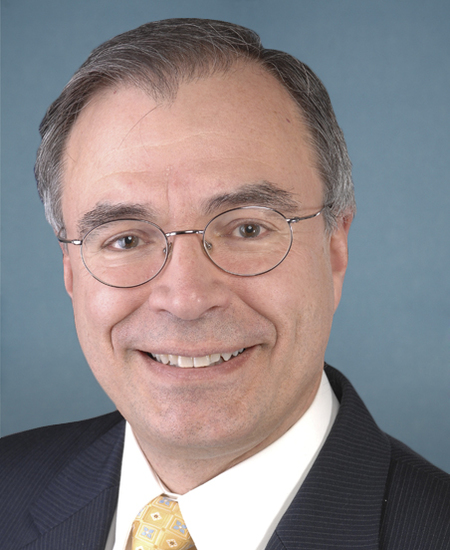
Andy Harris
Andy Harris House · District 1
R
Strong −
18% 257
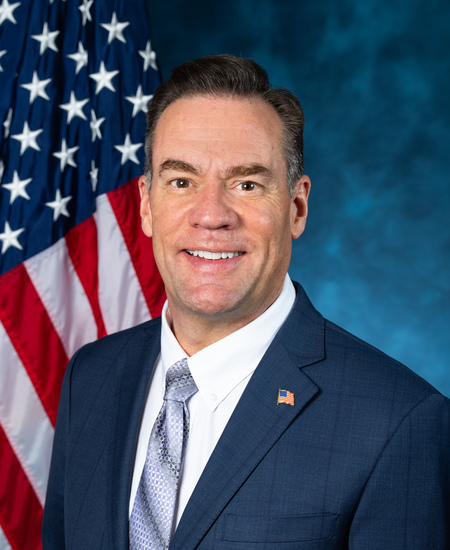
Russ Fulcher
Russ Fulcher House · District 1
R
Strong −
18% 262
Showing 41–50 of 210 bills

All technology bills

in committee · United States · House May 26, 2026

HR 9028: PRC Broker-Dealers and Investment Advisers Moratorium Act

This bill prohibits the registration of new broker-dealers and investment advisers in the United States if they are owned, controlled, or managed by entities or individuals from China. The law defines control as owning more than 15% of voting securities and bars registration for firms that receive specific services from Chinese affiliates, such as software development, platform infrastructure, or customer support. These restrictions apply to both the primary firm and its related parties, ensuring that no Chinese-linked entity can operate under these federal securities licenses. The ban is set to expire automatically five years after the law is enacted, at which point the prohibitions will be removed.
in committee · United States · House Jun 2, 2026

HR 9112: CREATOR Act

The CREATOR Act establishes a new federal intellectual property right that allows visual artists to control the commercial use of their distinctive visual style. This right applies specifically to works created using artificial intelligence that are intentionally designed to imitate an artist's style and marketed in a way that could mislead viewers about the work's origin. The law protects this right for the artist's lifetime and for up to 50 years after their death, while explicitly excluding general artistic influence, parody, and the mere capability of AI systems to produce similar outputs. Online platforms are granted safe harbors from liability if they remove flagged content promptly upon receiving valid notices, and the Act includes provisions to prevent abuse through penalties for false claims.
in committee · United States · House May 20, 2026

HR 8915: NO FAKES Act of 2026

The NO FAKES Act of 2026 grants individuals and their heirs a new property right to control the creation and use of digital replicas of their voice or visual likeness, preventing unauthorized use in computer-generated media. This right lasts for the individual's lifetime plus 10 years after death, with potential extensions for continued commercial use, and applies to both living and deceased people. Online platforms and companies distributing such content must register with the Copyright Office, remove unauthorized replicas upon receiving valid notices, and face civil penalties of up to $750,000 per work if they fail to comply or knowingly distribute unauthorized replicas. The law also preempts most existing state laws protecting voice and likeness rights, though it preserves protections for sexually explicit content and election-related uses.
in committee · United States · House May 7, 2026

HR 8689: Strategic Export Controls and Border Security Enhancement Act

This bill establishes a new Office of Export Controls and Border Security within the U.S. Department of State to help partner countries prevent the spread of weapons of mass destruction. The Office will train foreign nations on how to better regulate the export of sensitive technologies and goods that could be misused for military purposes. It also requires the Secretary of State to create a coordinated strategy using advanced analytics to identify risks and strengthen global supply chain security. Additionally, the legislation mandates that different parts of the State Department work together to avoid duplicating efforts in border security assistance.
in committee · United States · Senate May 20, 2026

S 4601: Chinese CBDC Prohibition Act of 2026

The Chinese CBDC Prohibition Act of 2026 bans money services businesses in the United States from conducting any transactions involving the central bank digital currency issued by the People's Republic of China. This law directly affects financial institutions, such as banks and money transfer operators, by prohibiting them from processing payments, deposits, or exchanges related to this specific digital currency. The prohibition applies to both direct and indirect transactions, ensuring that no U.S. entity can facilitate the use of the Chinese digital currency within the regulated money services sector. By adding a new section to the existing U.S. Code, the bill creates a clear legal barrier to prevent the integration of this foreign digital currency into the American financial system.
in committee · United States · Senate Apr 30, 2026

S 4456: AI OVERWATCH Act

The AI OVERWATCH Act establishes new export controls on advanced integrated circuits destined for specific countries of concern, including China, Russia, Iran, North Korea, and Cuba. It requires companies to obtain a specific license for each export of high-performance chips, prohibiting the use of general licenses and mandating detailed certifications to Congress regarding national security and defense impacts. The bill defines these restricted chips by their technical processing power and creates a "trusted United States person" program that allows certain domestic entities to bypass licensing requirements if they meet strict security and ownership standards. Additionally, the legislation requires the government to develop an "American Artificial Intelligence Victory Strategy" outlining how to maintain U.S. leadership in AI against foreign competitors.
in committee · United States · House Apr 30, 2026

HR 8623: GUARD Act

The GUARD Act requires companies that offer AI chatbots designed to simulate human friendship to verify the age of every user and block access for anyone under 18. To comply, these platforms must collect verifiable age data, clearly disclose that the chatbot is not a human, and ensure the AI does not claim to be a licensed professional like a therapist or doctor. The law also makes it a federal crime to design or distribute such chatbots that encourage minors to engage in sexually explicit acts or promote self-harm and violence, with penalties of up to $100,000 per violation.
in committee · United States · Senate Jul 22, 2026

S 4429: Connected Vehicle Security Act of 2026

The Connected Vehicle Security Act of 2026 restricts the importation, sale, and use of connected vehicles and related technology from China, Russia, Iran, and North Korea to protect national security. Starting in 2027, the bill generally bans these vehicles if they originate from or are controlled by these countries, with separate restrictions on software and hardware taking effect in 2030. The Secretary of Commerce is authorized to issue specific exemptions for items that do not pose a security risk and must publish a list of approved products. The law also requires companies to submit declarations confirming their vehicles comply with the rules and imposes heavy fines for violations.
Sub-Topics Electric Vehicles
in committee · United States · House Apr 28, 2026

HR 8559: To amend the National Defense Authorization Act for Fiscal Year 2021 to prohibit certain institutions of higher education from receiving research and development awards, and for other purposes.

This bill prohibits U.S. universities from receiving federal research and development funding for five years if they previously accepted money from specific foreign governments for projects involving artificial intelligence, biotechnology, or quantum computing. The targeted foreign entities include China, Russia, Iran, North Korea, Venezuela, Cuba, Turkey, and Qatar, as well as organizations closely tied to these nations. By restricting access to future defense-related grants, the legislation aims to prevent institutions that have collaborated with these countries on sensitive technologies from participating in subsequent national security research.
in committee · United States · Senate May 20, 2026

S 4586: Blocking CCP Spy Tech Act of 2026

The Blocking CCP Spy Tech Act of 2026 directs U.S. national security agencies to evaluate whether specific communications equipment and services from seven Chinese companies pose a risk to national security. If these agencies fail to make a determination within a year or find the technology risky, the Federal Communications Commission must add the equipment to a banned list that prevents U.S. telecom providers from using it. The law also requires the Secretary of Defense to decide if these same entities should be classified as Chinese military companies operating in the United States. This process directly affects telecommunications companies and federal agencies responsible for maintaining secure communication networks.
Sub-Topics Telecommunications
Showing 41 to 50 of 210 bills
Previous 1 4 5 6 21 Next